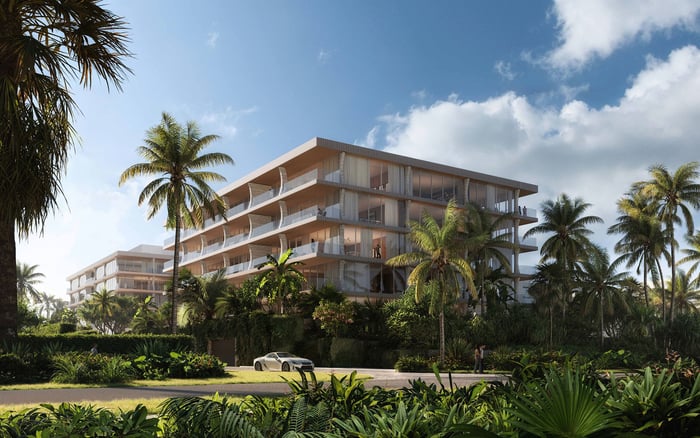
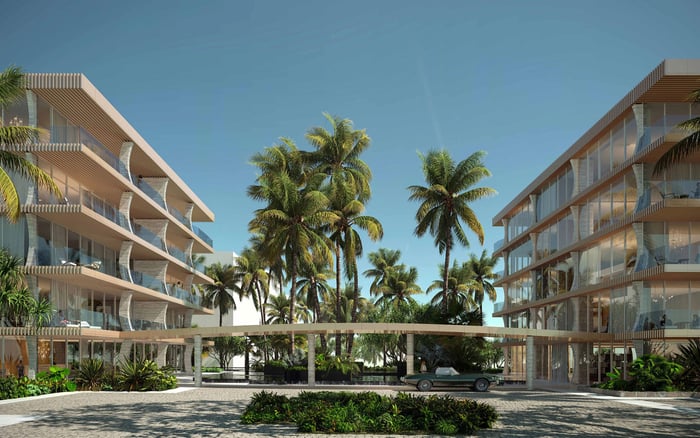
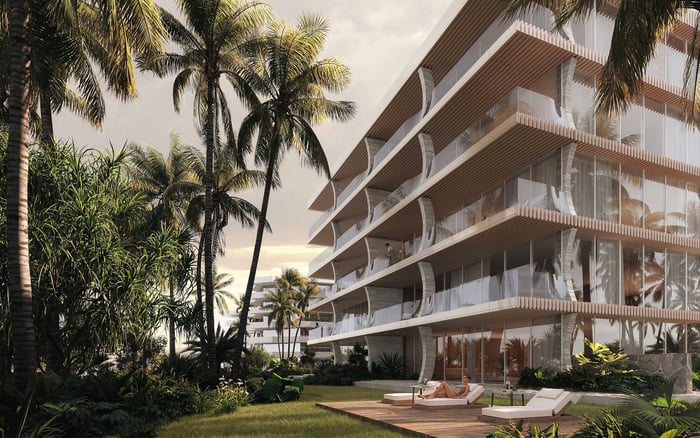
A residence-specific review can help buyers evaluate how parcel boundaries, zoning, approved plans, building orientation, marina activity, and future construction may affect a view premium at The Ritz-Carlton Residences Palm Beach Gardens.
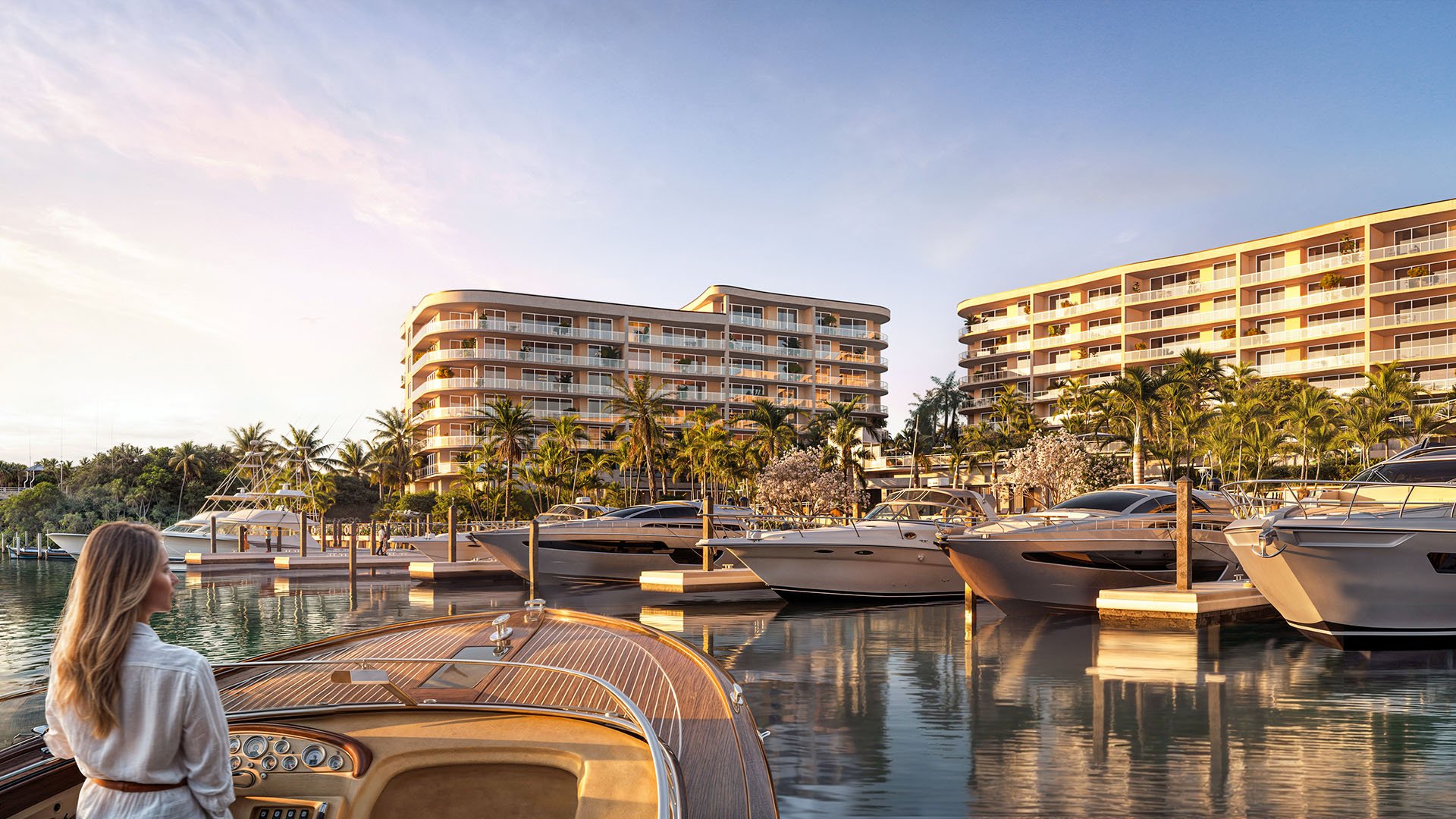
At The Ritz-Carlton Residences® Palm Beach Gardens, evaluating a view premium should begin with the specific residence rather than a broad description of the property. Floor elevation, stack, balcony direction, principal-room orientation, landscaping, marina elements, neighboring parcels, and possible future construction can produce materially different outlooks within the same development.
A buyer should separate the view available from each important room from the wider impression created by a rendering. The relevant question is not simply whether a residence faces water, but how much water is visible, from where it becomes visible, and which built or natural elements occupy the foreground and lateral sightlines.
The most useful review compares the selected residence with current site plans, floor plans, elevations, and parcel boundaries. Buyers should identify the finished-floor elevation, balcony edge, window orientation, and direction of each principal sightline. This can clarify whether an outlook is direct, angled, filtered, interior-facing, or dependent on looking past another structure.
Renderings can help explain design intent, but they should not substitute for approved documents or contract language. Wide viewing angles, selective camera positions, landscaping, and omitted foreground details can make a marketing image different from the daily experience of standing inside a particular home.
A neighboring parcel matters even when it is outside the immediate residence footprint. Its zoning, ownership, development rights, setbacks, height limits, approved plans, and construction access may affect the durability of nearby views.
Buyers should avoid assuming that an open outlook is permanent unless the governing documents support that conclusion. A parcel review can reveal whether future construction could enter a direct sightline, appear at its edge, change privacy, or alter the visual character of the foreground.
The analysis should remain residence-specific. A proposed or permitted structure may affect lower, middle, and upper floors differently, and its impact can vary by stack and viewing direction. Without an overlay of the relevant massing and the selected residence’s elevation, definitive obstruction claims are premature.
An active marina outlook can offer a distinctive waterfront experience, but it is different from an uninterrupted water horizon. Docks, pilings, vessels, landscaping, and movement may contribute to the setting while also filtering portions of the view.
Buyers can evaluate the outlook in components: direct water exposure, marina activity, landscaped foreground, neighboring structures, privacy, and elevation. This avoids assigning one undifferentiated premium to residences with meaningfully different visual experiences.
Comparable Palm Beach County projects can provide useful context when the comparison remains precise. The Ritz-Carlton Residences® West Palm Beach, Forté on Flagler West Palm Beach, and Glass House Boca Raton may help buyers compare how orientation, elevation, nearby development, and the character of the water outlook influence perceived value. The comparison should focus on like-for-like attributes rather than treating every waterfront view as equivalent.
Before assigning value to terms such as “protected,” “unobstructed,” or “permanent,” buyers should request the applicable zoning information, approved site plans, modifications, elevations, setbacks, conditions, and available plans for adjacent parcels. The documents should then be reviewed against the exact residence under consideration.
Written contract terms deserve more weight than generalized descriptions. If a view characteristic is important to the purchase decision, the buyer should identify where, if anywhere, that characteristic is addressed in the operative documents and seek appropriate professional guidance before relying on it.
Future construction can influence both the stabilized outlook and the ownership experience before completion. Even when a final view remains appealing, temporary conditions may include equipment, staging, traffic, noise, dust, lighting, or evolving sightlines.
The buyer’s analysis should therefore distinguish the completed setting from the path to that setting. This is particularly relevant when timing, personal use, leasing plans, or near-term resale matters to the purchase decision.
Request current plans and elevations, confirm the exact unit and stack, and map the sightlines from the living area, primary suite, and balcony. Review neighboring parcels for applicable zoning and available approvals, then compare potential massing with the residence’s elevation and orientation.
Ask which view descriptions appear in the contract documents and which appear only in marketing materials. Finally, assign separate value to water exposure, marina activity, landscaping, privacy, elevation, and possible construction effects instead of relying on a single view label.
Does a water-facing orientation guarantee an unobstructed view? No. The actual outlook depends on the residence’s elevation, angle, foreground elements, neighboring structures, and potential future development.
Why should buyers review adjacent parcels? A neighboring parcel’s zoning, approvals, setbacks, and development potential may affect views, privacy, activity, or construction conditions.
Are higher floors automatically protected from future changes? No. Elevation may change the degree of exposure, but each sightline still needs to be tested against surrounding and proposed massing.
How should a buyer evaluate a rendering? Use it as a design reference, then compare it with current plans, elevations, parcel information, and the selected residence’s exact orientation.
Is a marina view the same as an open-water view? No. A marina outlook may include docks, vessels, pilings, landscaping, and activity that create a different visual experience.
Which rooms should be included in a view review? Focus on the principal living area, primary suite, balcony, and any other space whose outlook materially affects the purchase decision.
What documents can help assess a view premium? Relevant materials may include site plans, floor plans, elevations, zoning information, approval records, parcel maps, and contract documents.
Can construction matter even if the final view remains attractive? Yes. Temporary staging, equipment, traffic, noise, dust, lighting, and changing sightlines can affect the ownership experience.
How should comparable projects be used? Compare similar residence attributes, including elevation, orientation, water exposure, neighboring development, privacy, and foreground conditions.
What is the most reliable way to price a view premium? Break the outlook into specific components and assess each against current documents, residence-level sightlines, and the buyer’s intended use.
For a tailored shortlist and next-step guidance, connect with MILLION.
If branded residences are on your mind — as a home or as an allocation — we would be glad to share what we are seeing, privately.
Begin a quiet conversation