For seasonal buyers who boat, the decisive residential amenities may sit beyond the lobby. This guide explains how to evaluate dock rights, vessel fit, bridge clearance, route practicality, and absentee-owner operations before committing to a Palm Beach Gardens residence.
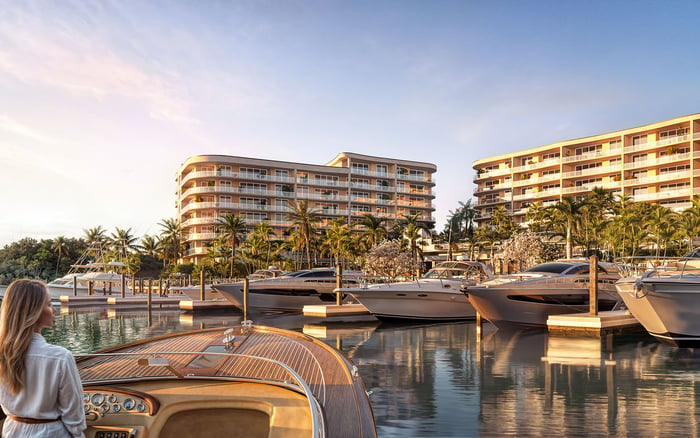
For a seasonal buyer in Palm Beach Gardens, the most consequential feature may not be a spa, private dining room, or residents’ lounge. If boating anchors the South Florida calendar, the real luxury is often operational: reaching the vessel efficiently, boarding without friction, and knowing the route suits the boat the owner intends to keep.
That reframes the buying conversation. A residence can be beautifully appointed yet poorly aligned with a particular boating routine. Conversely, a home with reliable dock access and a workable marine route may offer more enjoyment than a longer list of interior amenities. The analysis should begin with the vessel, intended outings, and the owner’s seasonal schedule, then work backward to the property.
This is the practical lens MILLION applies to waterfront and second-home decisions: the residence and boating plan should be evaluated as a single lifestyle system.
Marina access is not a universal benefit. It may describe an on-site berth, access to separately controlled dockage, a nearby commercial facility, or simply proximity to navigable water. Each arrangement creates a distinct ownership experience.
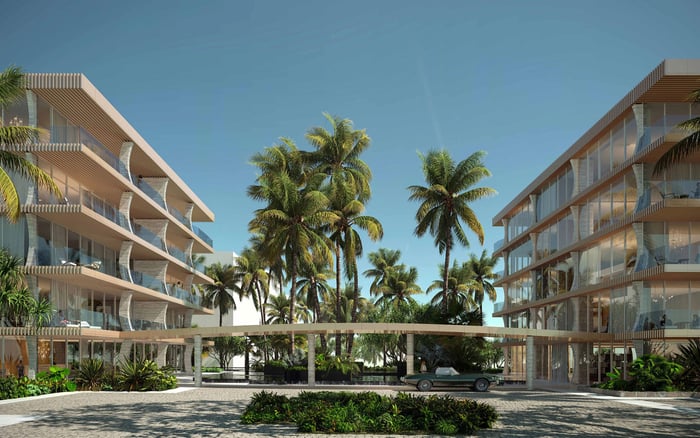
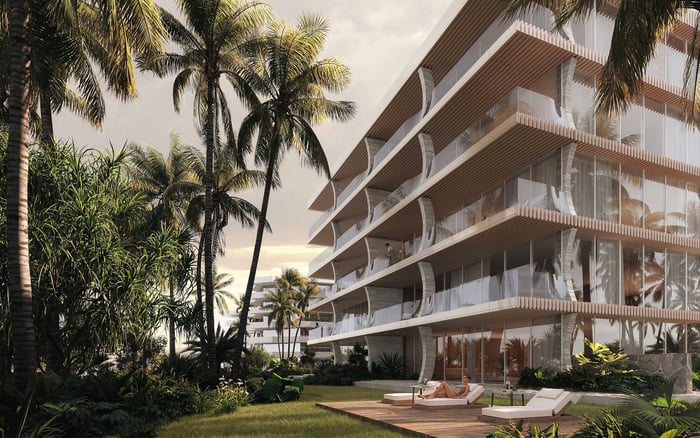
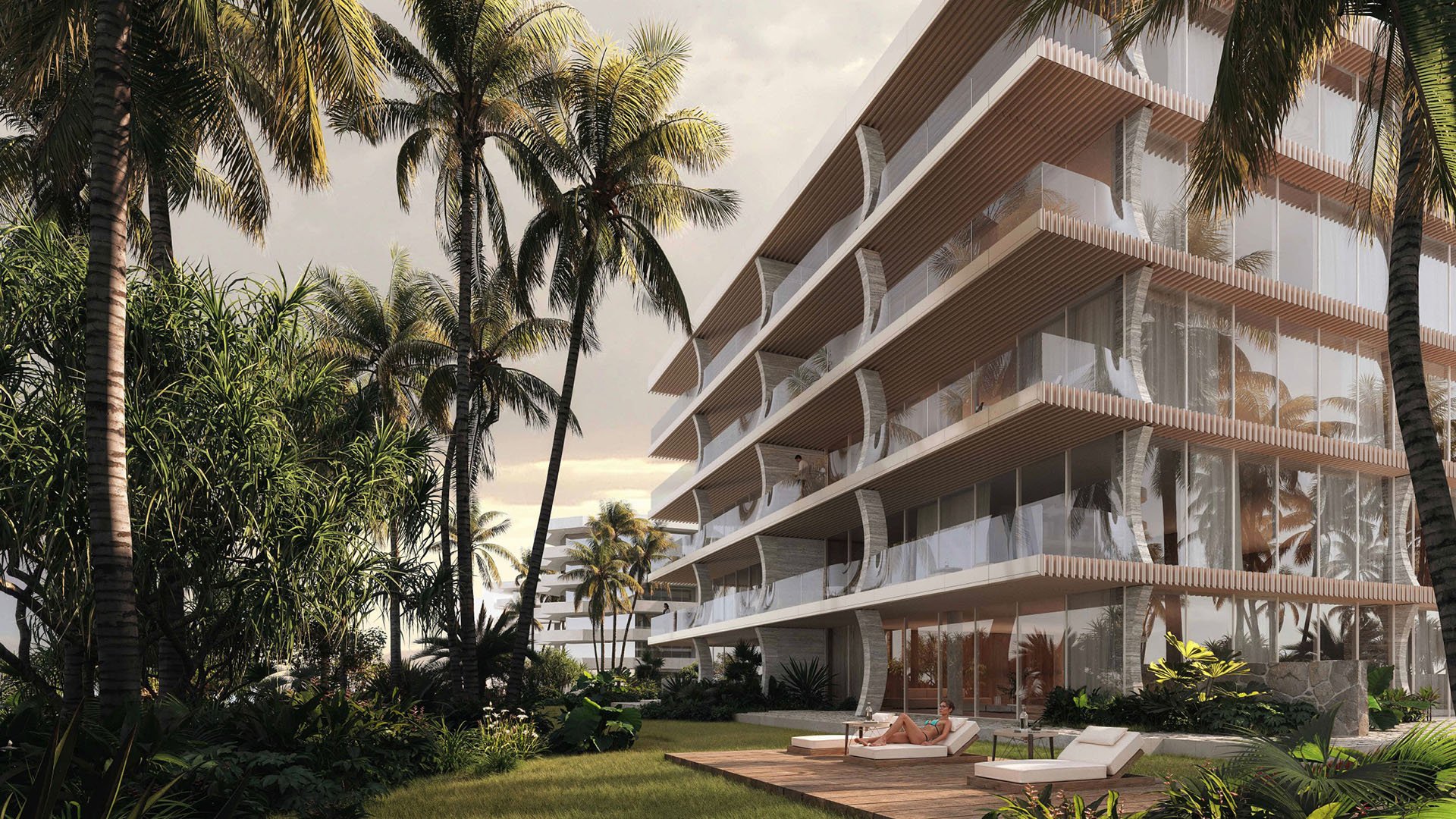
Buyers considering The Ritz-Carlton Residences® Palm Beach Gardens should request the current governing documents and written marine-use terms rather than rely on broad lifestyle language. The same discipline applies to every waterfront offering: determine who controls the slips, who may use them, how assignments work, and whether those rights accompany the residence upon resale.
A boat slip may be deeded, licensed, leased, assigned, or subject to availability. Those distinctions can affect continuity, cost, and transferability. Counsel should review the operative documents, while the buyer’s marine professionals verify whether the physical arrangement suits the intended vessel.
The boat’s specifications should serve as a property-search filter. Length is only the beginning. Beam, draft, overall height, displacement, boarding configuration, shore-power needs, and maneuvering requirements can all determine fit.
Request written dimensions and restrictions, then arrange an on-site review with a qualified captain, surveyor, or marine contractor. These professionals can assess turning space, approach angles, pilings, fender placement, tide-related boarding, and provisioning logistics. A berth that technically accommodates a vessel may still prove inconvenient in regular use.
Service capability matters, too. Confirm electricity, water, lighting, security procedures, pump-out arrangements, fueling logistics, storm protocols, and access for captains or vendors. Seasonal owners should pay particular attention to who can monitor lines, batteries, systems, and weather preparations while they are away.
Bridge clearance should never be treated as a single number divorced from operating conditions. The relevant question is whether the vessel can safely complete the intended route under the conditions in which it will actually operate.
Begin with the boat’s verified air draft, including antennas, outriggers, hardtops, and other equipment. Then map every fixed and movable bridge between the berth and regular destinations. Clearances, opening procedures, water levels, maintenance conditions, and operating schedules should be confirmed through appropriate official and marine channels before purchase-and again before navigation.
A captain can model the route in practical terms: departure timing, waiting periods, tidal considerations, daylight preferences, and fallback options. For some owners, one additional bridge is immaterial. For others, it turns an easy afternoon departure into a schedule-dependent exercise. The answer is personal, but it should be established before closing.
Palm Beach Gardens may be the preferred residential base, but a disciplined search should test nearby alternatives against the same marine brief. A buyer might compare the local proposition with Alba West Palm Beach or Forté on Flagler West Palm Beach, not because the experiences are interchangeable, but because route, storage, staffing, and arrival patterns may carry different weight for each household.
Farther south, Glass House Boca Raton offers another residential comparison for buyers considering multiple Palm Beach County addresses. Its inclusion here is not a statement about dockage or vessel accommodation. Rather, it is an invitation to assess residences against one consistent checklist and verify every marine detail directly.
This broader review also sharpens priorities. Some owners want immediate access to the boat. Others prefer a separate full-service marina and will accept a drive in exchange for stronger maintenance support. The best residence is the one that makes the chosen pattern feel effortless during the owner’s months in Florida.
Absentee ownership adds another layer of due diligence. Identify who will hold keys, authorize vendors, receive storm notices, inspect the berth, and document the vessel’s condition. Confirm community access rules for captains, crew, mechanics, cleaners, and delivery teams. If the residence and vessel have separate management structures, establish how those teams will communicate.
Insurance should be reviewed across both assets. The residence, berth arrangement, and vessel may involve different carriers, deductibles, exclusions, and named-storm obligations. Buyers should seek advice tailored to their circumstances rather than assume community procedures replace individual responsibilities.
Budgeting warrants the same integrated approach. Consider residential charges alongside slip fees, utilities, management, cleaning, captain services, haul-out planning, maintenance, and transportation when the boat is kept elsewhere. The figure that matters is the annual cost of the entire seasonal routine, not any single line item.
Before committing, assemble a concise marine due-diligence file. It should include the boat’s dimensions, written dock terms, applicable rules, route review, service details, vendor-access procedures, insurance guidance, and professional observations. Any uncertainty material to the purchase should be resolved through documentation and qualified advisers.
For readers of MILLION Buyer’s Guides, the principle is straightforward: amenities create atmosphere, but infrastructure determines usability. In Palm Beach Gardens, a polished arrival has value. For a boater, however, the more revealing test may be what happens after leaving the lobby with a weekend bag and heading toward the water.
What should a seasonal boater verify first? Start with the vessel’s complete dimensions and operating needs, then test the dock and route against them.
Does marina access guarantee a slip? No. Confirm the legal arrangement, availability, assignment method, cost, and transfer terms in writing.
Why does bridge clearance matter before buying? A bridge can affect whether, when, and under what conditions the vessel can complete its intended route.
Which vessel measurements are essential? Verify length, beam, draft, air draft, displacement, boarding configuration, and utility requirements.
Who should inspect a prospective berth? Engage qualified marine professionals familiar with the vessel, dock configuration, and intended navigation plan.
Should a buyer rely on marketing dimensions? Material measurements and restrictions should be confirmed through governing documents and qualified professionals.
What matters for an absentee owner? Clear authority, vendor access, storm preparation, routine inspections, and communication between property and vessel managers.
How should buyers compare separate marina storage? Weigh travel time, service capability, security, access hours, costs, and the convenience of regular outings.
Can dock rights affect resale planning? Potentially. Buyers should establish whether those rights transfer, expire, require approval, or remain separate from the residence.
Is the longest amenity list the best choice? Not necessarily. The strongest choice is the residence whose infrastructure supports the owner’s actual seasonal routine.
For a confidential assessment and a building-by-building shortlist, connect with MILLION.
If branded residences are on your mind — as a home or as an allocation — we would be glad to share what we are seeing, privately.
Begin a quiet conversation