A buyer-focused guide to reviewing flood claims, garage-level infrastructure, insurance, and emergency operations at The Ritz-Carlton Residences® Fort Lauderdale, with an emphasis on documented answers rather than assumptions.
At The Ritz-Carlton Residences® Fort Lauderdale, a serious purchase conversation should move beyond finishes and service to the infrastructure that supports daily life. For a Fort Lauderdale Beach buyer, the questions are precise: What has flooded, where is essential equipment located, and what happens when normal operations are interrupted?
Covered garage parking, valet service, concierge service, and housekeeping are identified amenities. None, on its own, establishes flood protection or emergency service continuity. The property's flood-claim history, exact garage elevation, equipment exposure, generator capacity, and formal continuity arrangements remain open questions until supported by property-specific documents.
This distinction is not an argument against ownership. It is a framework for evaluating it. A polished arrival experience and a documented recovery plan address different dimensions of the same investment.
A majority of Fort Lauderdale residents live in or near a Special Flood Hazard Area. A high-risk flood area has at least a 1% annual chance of flooding. That is an annual probability-not a promise that flooding occurs only once in a century.
Coastal Zone VE areas carry additional storm-wave hazards. That designation does not establish this property's flood zone. Request a parcel-specific flood determination, elevation certificate, survey, and relevant as-built plans before drawing conclusions about exposure.
Have a qualified adviser reconcile the mapped designation with the elevations in the building documents. Ask which applicable flood elevations were used to assess the garage, equipment rooms, and protection measures. A label alone does not explain how water could affect operations.
For buyers also considering Four Seasons Hotel & Private Residences Fort Lauderdale, the same document requests offer a consistent comparison framework without assuming equivalent exposure or protection.
Begin with association loss runs and claim summaries covering five years, or the full available history. Request open and denied claims as well as settled claims. A statement that no insurance payments remain outstanding does not establish whether water intrusion occurred or repairs remain unresolved.
For each event, ask for the date, affected common elements, claimed damage, deductible, insurance payment, and repair scope. Then request supporting invoices, completion records, and correspondence concerning unresolved disputes. Distinguish completed repairs from measures intended to reduce recurrence.
The most useful follow-up is specific: Did water reach parking areas, electrical rooms, pumps, elevators, or telecommunications equipment? These are questions to ask, not descriptions of events known to have occurred here.
Read claim records alongside relevant board minutes and engineering documents. Ask management to explain any discrepancies. A denied claim calls for clarification of the reason for denial and the disposition of the underlying damage-not an automatic conclusion about building quality.
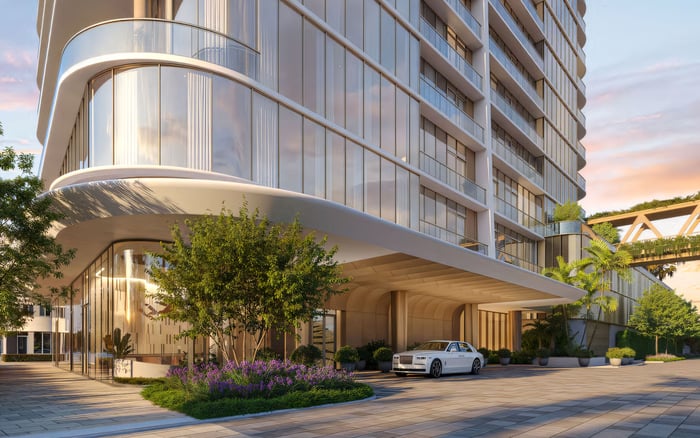
Garage terminology describes access and convenience, not resilience. Residence 1605 is described with assigned, garage, and valet parking and one garage space. Residences 1801/1808 identify secured garage parking and a fire sprinkler system. Residence 2203 identifies secured garage parking and two garage spaces. These details establish neither garage elevation nor critical-equipment placement.
Request equipment drawings locating electrical switchgear, generators, fire pumps, water pumps, elevator machinery, fuel systems, and telecommunications equipment. Ask an engineer to compare those locations with applicable flood elevations and identify the protection serving each system.
Extend the review to elevated equipment, floodproofed rooms, barriers, drainage, backflow prevention, and pump maintenance. Request records of prior water intrusion and outstanding repairs, along with maintenance and inspection logs for any protective systems management describes.
Elevation, flood-resistant materials, and proper drainage are damage-reduction measures. Reinforced garage doors, storm shutters, and impact windows are also protective measures, but mentioning them does not establish what is installed at the property or how it performs under flood conditions. Ask what is actually installed and how it is maintained.
For an owner who may be away during a storm, operational responsibilities should be explicit. Request hurricane, flood, evacuation, and re-entry plans that address garage closure, vehicle removal, utility isolation, elevator shutdown, and resident communications.
Ask who makes each decision, what triggers it, and how owners receive instructions if ordinary communications are disrupted. Clarify responsibility for vehicles when an owner is absent; do not assume valet service includes emergency relocation.
Emergency power warrants its own document review. Request the backed-up load schedule, fuel duration under emergency load, fuel-storage protection, resupply arrangements, and generator and transfer-switch test records. A generator's presence does not establish which services remain available or for how long.
Ask how management coordinates backup service vendors and authorizes re-entry. Evacuation planning and service continuity are separate questions: maintaining selected systems should not be interpreted as permission to remain during an evacuation.
When comparing Auberge Beach Residences & Spa Fort Lauderdale, apply the same questions about communications, emergency loads, and recovery responsibilities. Compare documented arrangements, not brand expectations.
Flood insurance is strongly recommended for all Fort Lauderdale properties. Buildings in mapped Special Flood Hazard Areas with mortgages from government-backed lenders are subject to flood-insurance requirements. Federal flood insurance is available to eligible property owners and renters through participation in the National Flood Insurance Program, subject to policy terms.
For this purchase, request the association's master policies and review limits, restrictions, exclusions, deductibles, and loss allocation with an insurance adviser. Distinguish association coverage from the owner's HO-6 coverage. Do not assume either policy addresses every flood-related exposure.
Pair that review with reserve studies, engineering documents, proposed capital projects, and relevant board minutes. Ask how identified repairs or resilience work would be funded and whether unresolved claims affect the plan. Assess coverage, physical condition, and available capital together, rather than as isolated assurances.
Organize the final review around three questions: What happened previously, what is exposed today, and what is the documented response to interruption? Request written clarification whenever an answer rests on an assumption, an incomplete record, or a service promise without operational detail.
A credible decision need not depend on a claim of zero risk. It should rest on clearly understood exposure, documented maintenance, policy-specific insurance advice, and a continuity plan the buyer can evaluate before committing.
For a discreet approach to South Florida residential decisions, explore MILLION.
If branded residences are on your mind — as a home or as an allocation — we would be glad to share what we are seeing, privately.
Begin a quiet conversationNo property-specific flood zone is established. Request a parcel-specific flood determination and review it alongside the elevation certificate and survey.
No. It describes a chance of flooding in any given year, not a fixed interval between events.
Request association loss runs and claim summaries for five years or the full available history, including open and denied claims. Ask for deductibles, repair records, and unresolved disputes.
No. Those descriptions do not establish garage elevation, water-entry protection, or the location of essential equipment.
Review switchgear, generators, fire and water pumps, elevator machinery, fuel systems, and telecommunications equipment. Their locations should be assessed against applicable flood elevations.
Request documented backed-up loads, fuel duration under emergency load, storage protection, resupply arrangements, and generator and transfer-switch test records.
It should address garage closure, vehicle removal, utility isolation, elevator shutdown, resident communications, and backup vendors. Evacuation and re-entry procedures should also be reviewed.
No such responsibility is established here. Request written clarification of vehicle-removal procedures and the owner's responsibilities during an emergency.
No. Review the association's master policies and the owner's HO-6 coverage separately with an insurance adviser, including flood-related limits, exclusions, and deductibles.
Reserve studies, engineering documents, capital plans, and board minutes help buyers evaluate how identified repairs or resilience work would be funded. They should be considered alongside claims and coverage.