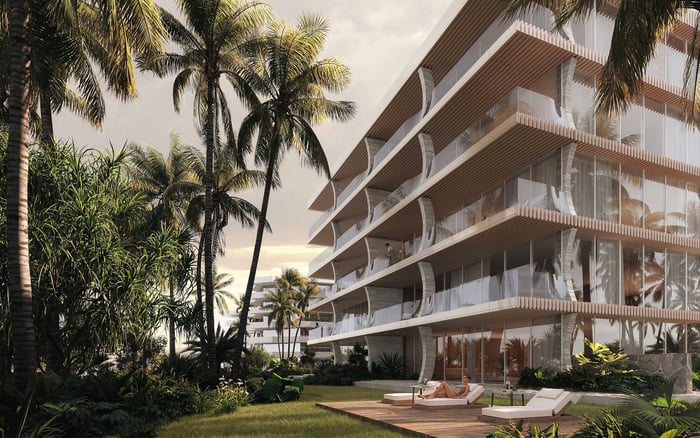
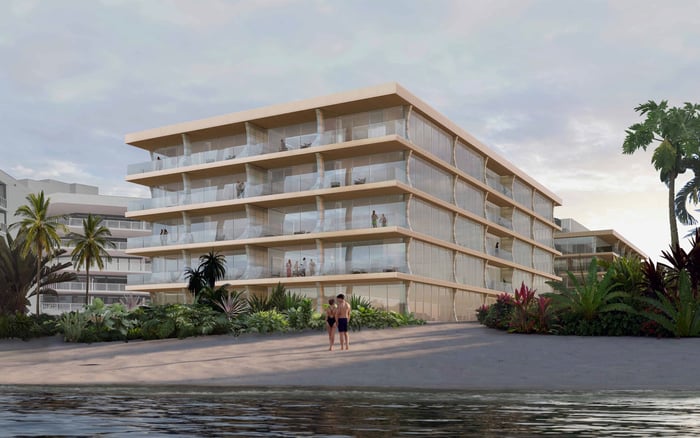
For buyers at Palm Beach Residences, water due diligence begins with three distinct questions: what has been tested, who maintains any filtration equipment, and where fixture warranties begin and end.

A beautifully appointed residence draws attention to stone, fittings, and the choreography of daily life. Water deserves an equally exacting review. For buyers considering Palm Beach Residences, the essential questions are precise: which supply serves the property, what testing describes the residence itself, and which documents assign responsibility after closing?
Treat water quality, filtration maintenance, and fixture warranties as three separate inquiries. A favorable utility result does not establish the condition of a particular tap. An installed filter does not identify who must service it. A fixture’s appearance does not establish its warranty coverage.
The objective is not to presume a problem, but to make the invisible infrastructure of ownership as legible as the finish schedule. Seek property-specific confirmation rather than infer answers from a project’s positioning or presentation.
Start with written confirmation of the residence’s actual water provider and whether its drinking water comes from a public system or a private well. Do not assume a provider from a Palm Beach address alone.
Ask which testing requirements apply to the confirmed supply and what documentation demonstrates compliance. Keep utility-wide compliance information separate from evidence identifying an individual residence, sampling point, and collection date.
Request the serving utility’s current water-quality disclosure, then ask what additional testing, if any, has been conducted within the building or residence. Read each result within its stated scope. A system-wide figure is not a promise about every fixture.
For buyers also considering Alba West Palm Beach, apply the same questions independently. A comparison between Palm Beach and West Palm Beach residences should begin with each property’s supply documentation-not an assumption that nearby addresses share identical arrangements.
“Has the water been tested?” is a useful opening, but an incomplete instruction. An actionable request identifies the concern, proposed sampling location, substances or organisms to be assessed, and whether collection would occur before or after any installed treatment equipment.
Ask a qualified water professional or laboratory to recommend the sampling scope and collection instructions. Request documentation of the collection date, location, tested parameters, results, and laboratory interpretation. Do not substitute one test category for another: microbiological findings do not answer a question about lead or copper.
If microbiological testing is appropriate, ask whether the laboratory offers total coliform and E. coli analyses. Before arranging sampling, confirm that it accepts the proposed sample and can address the question being asked. Ask separately about its ability to assess any other requested substances.
Where results need explanation, ask the testing professional what they establish and what falls outside their scope. Preserve that distinction in the buyer’s file rather than reduce a technical finding to a blanket assurance of safety.
Before discussing maintenance, establish which equipment is included. Request the equipment schedule, manufacturer and model identifiers, installation records, service history, and purchase-contract inclusions. Ask whether treatment, if present, serves the building, the residence, or an individual outlet.
Then request a written responsibility schedule addressing four practical questions:
Who owns each component and authorizes service?
Who schedules maintenance and retains the records?
Who pays for consumables, repairs, and eventual replacement?
Which document assigns each responsibility?
Check the answers against the purchase agreement and association maintenance documents. Ask the buyer’s legal adviser to reconcile inconsistent descriptions before relying on them. These are recommended document requests, not statements that any particular allocation applies at Palm Beach Residences.
A comparison with Forté on Flagler West Palm Beach should use the same equipment-level review. The meaningful distinction is not an unsupported claim of better filtration. It is whether the buyer can establish the equipment, service expectations, and cost allocation for each property.
Second-home buyers should also ask who coordinates service during extended absences and how completion is documented. Request the installed equipment’s service instructions rather than assume a universal replacement interval.
Review a fixture warranty against the product being delivered, not merely a brand name or showroom description. Request the actual manufacturer warranty for each installed model and any developer warranty applicable to the residence.
Ask which provisions address the fixture body, internal components, finish, and associated installation work. Clarify whether any covered remedy includes labor, removal, reinstallation, or shipping. Do not presume those costs are covered without the relevant language.
Apply the same discipline to exclusions. Ask whether the warranty addresses water conditions, deposits, cleaning products, maintenance, or treatment-system modifications, and request the exact provision supporting each answer. These are questions to resolve, not universal exclusions or verified terms for this project.
For a buyer weighing Mr. C Residences West Palm Beach alongside other residences, warranty clarity deserves its own place in the comparison. Establish the coverage start date, registration requirements, transferability, claim procedure, and party responsible for responding. Keep a developer’s commitments distinct from a manufacturer’s obligations rather than treating them as one interchangeable promise.
Private-well questions belong in the review only after the property’s supply has been confirmed. They should not be read as an indication that Palm Beach Residences uses a well.
If a private well supplies drinking water, ask the appropriate local health department or a qualified water professional which tests and testing intervals are recommended and which requirements apply. Request clarification of who arranges sampling, retains results, and responds to findings.
Request any well-completion documentation and initial testing records, together with subsequent results. Ask an adviser to identify missing documentation rather than treat an initial result as evidence of current conditions.
Before closing, assemble the supply confirmation, relevant testing, equipment schedule, service records, maintenance allocations, and model-specific warranties. Ask advisers to distinguish documented answers from items still requiring written clarification.
The strongest outcome is not a stack of brochures. It is an ownership file that identifies what has been assessed, who acts when service is needed, and which warranty language governs a claim. That clarity allows the residence’s more visible pleasures to take their proper place.
For a considered approach to Palm Beach residential ownership, explore MILLION.
If branded residences are on your mind — as a home or as an allocation — we would be glad to share what we are seeing, privately.
Begin a quiet conversationRequest written confirmation of the actual water provider and whether the drinking-water supply is public or comes from a private well. Do not infer the answer from the address alone.
No. Utility-wide results should remain separate from testing that identifies a particular residence, sampling point, collection date, and tested parameters.
Request the collection date, sampling location, tested parameters, results, and laboratory interpretation. Clarify whether collection occurred before or after any installed treatment equipment.
Ask a qualified professional whether total coliform and E. coli analyses are appropriate and available from the selected laboratory. Confirm sample acceptance and collection instructions before arranging testing.
Establish responsibility through the purchase agreement, association maintenance documents, and equipment records. Do not assume that equipment location alone determines who services it or pays.
Request the equipment schedule, model identifiers, installation records, service history, and purchase-contract inclusions. Seek written clarification of maintenance, consumable, repair, and replacement responsibilities.
Do not presume those costs are covered. Review the installed model’s actual warranty and ask specifically about labor, removal, reinstallation, and shipping.
Ask whether the actual warranty addresses those subjects and request the relevant provisions. No universal exclusion or project-specific coverage should be assumed.
If the property uses a private well, ask the appropriate local health department or a qualified water professional which tests and intervals are recommended. Confirm applicable requirements and who will arrange and document testing.
Keep supply confirmation, testing documentation, equipment and service records, written maintenance allocations, and installed-model warranties. Include claim procedures and the contacts identified to handle service.