A discreet buyer’s framework for evaluating Broward oceanfront litigation, structural obligations, repair funding, lender review, and insurance exposure without confusing historical disputes with current risk.
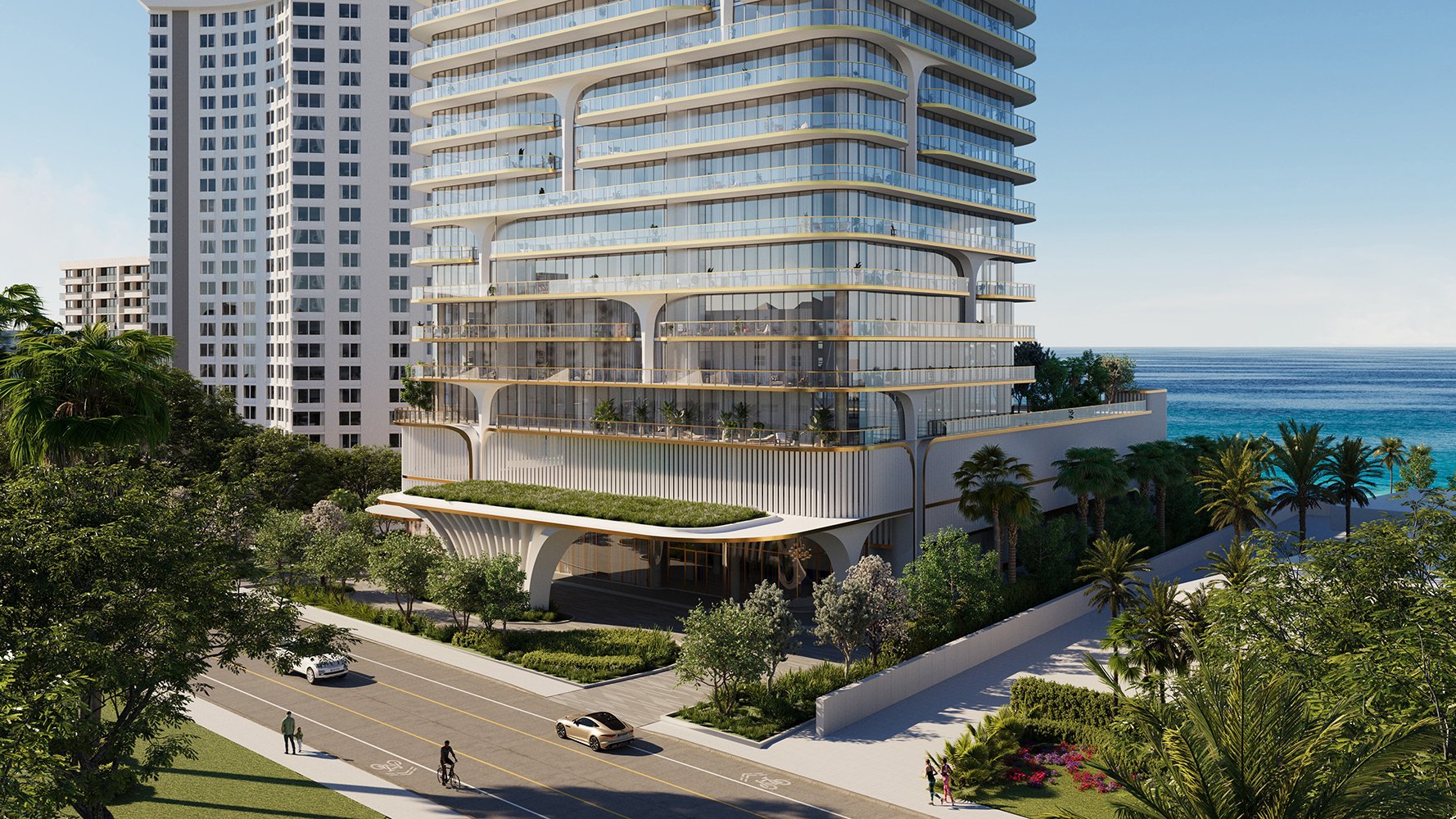
On Broward County’s shoreline, a compelling residence is only part of the acquisition. The private-client question is whether the association’s legal, structural, and financial position supports the ownership experience being purchased. Views and finishes deserve attention; unresolved repair obligations and uncertain funding warrant equal scrutiny.
The essential distinction is between an allegation, an active proceeding, a resolved claim, and a funded repair plan. These are not interchangeable. Historical litigation does not establish current exposure, and a construction-defect claim does not, by itself, establish that financing will be denied or insurance withdrawn. A useful briefing connects each issue to dated documents and a clearly identified decision-maker.
For buyers considering Auberge Beach Residences & Spa Fort Lauderdale, the same discipline applies as elsewhere along the coast: evaluate the specific association, not a generalized impression of Fort Lauderdale. The residential projects referenced here provide geographic context; they are not identified as buildings involved in the disputes discussed below.
Begin with a litigation schedule supplied by the association and reviewed with your attorney. Request case names, courts, docket numbers, parties, claims, and the latest procedural status. Separate construction claims brought by the association from claims against it, and distinguish both from insurance-coverage disputes.
Ask counsel to clarify the association’s assessment of exposure, insurance involvement, settlement status, and remaining obligations. A settlement may resolve a legal dispute without establishing whether repairs are complete or fully funded. Conversely, pending proceedings are not proof that alleged defects have been established.
One Fort Lauderdale condominium repair project expanded from an estimated $1.6 million to approximately $36 million, accompanied by lawsuits, board recalls, and resignations. Those figures underscore the importance of reviewing scope changes and governance records. They do not establish the present status of individual lawsuits or prove that litigation caused a financing denial, insurance cancellation, or premium increase.
A separate Fort Lauderdale luxury condominium construction-defect case resulted in a settlement exceeding $7.5 million. Claims extended to the developer, general contractor, subcontractors, design professionals, and other participants. This is a resolved-case example, not an entry in a current open-case inventory. Neither example should be used to label an unrelated address.
Florida generally requires milestone inspections for condominium and cooperative buildings with three or more habitable stories at age 30, followed by inspections every 10 years. Local enforcement agencies may require the first inspection at 25 years based on circumstances including coastal exposure. Confirm the applicable deadline for the particular building rather than assuming every oceanfront property follows the same timetable.
A milestone inspection begins with a Phase 1 visual inspection. Substantial structural deterioration may trigger a Phase 2 investigation. Obtain the findings, required follow-up, and evidence of corrective work-not merely confirmation that an inspection occurred.
The Structural Integrity Reserve Study, or SIRS, serves a separate purpose. It evaluates major components, including structural systems, roofs, fire protection, plumbing, electrical systems, waterproofing, exterior painting, windows, and doors. Review its funding implications alongside the inspection findings.
When comparing residences in Pompano Beach, including The Ritz-Carlton Residences® Pompano Beach, ask which inspection and reserve obligations apply to the property under consideration. A project name is no substitute for building-specific documentation.
Construction-defect and workmanship claims can involve warranty enforcement and recovery efforts against developers or contractors. For acquisition purposes, separate potential recovery from money already available for repairs. Ask whether a settlement has been executed, proceeds have been received, and remaining work has been priced.
The construction file should include repair scopes, permits, contracts, change orders, completion records, and funding schedules. Compare the engineer’s recommended work with the contracted scope. Request an explanation for material differences and establish who is responsible for confirming completion.
Required structural-reserve funding can increase dues or special assessments where contributions were previously deferred. Association borrowing also merits scrutiny. Review any loan or line of credit, its repayment schedule, and the owner approvals supporting it.
Conditional reserve relief may be available for budgets passed through 2028, including reduced or paused contributions for up to two consecutive budgets when funds are redirected to milestone-inspection repairs. Have counsel confirm eligibility and conditions. A temporarily smaller reserve contribution does not mean a smaller underlying repair obligation.
Do not translate “pending litigation” into an automatic lending outcome. The relevant question is how the intended lender evaluates the actual claims, inspection findings, reserves, assessments, association debt, and master insurance for the proposed transaction. Neither a universal lender requirement nor blanket approval can be assumed.
Provide the lender with the substantive documents early and ask what remains outstanding. Distinguish a preliminary conversation from a review of the association’s complete file. If the acquisition timetable depends on financing, ask your attorney to address unresolved review items in the transaction structure.
A buyer evaluating Four Seasons Hotel & Private Residences Fort Lauderdale should keep residence selection and lender review connected but distinct. The quality of the residence cannot answer how a lender will assess the specific association documents.
A construction claim and an insurance-coverage dispute require separate analysis. Obtain master-policy declarations, exclusions, wind and flood coverage details, deductibles, claims history, and renewal correspondence. Identify unresolved coverage disputes and ask an insurance professional to explain their implications for the proposed purchase.
Ask separately about association coverage and unit-level coverage. Establish which exposures remain with the owner and whether remediation within the residence requires its own budget. Do not assume a legal recovery will reimburse every repair or that current coverage guarantees identical renewal terms.
For a Hallandale Beach search that includes 2000 Ocean Hallandale Beach, this is a property-specific inquiry, not a conclusion about that project. The objective is clarity about coverage, deductibles, and outstanding obligations before closing.
Build the ownership comparison around projected dues, approved and potential assessments, repair-loan payments, insurance costs, and unit-level remediation. Keep confirmed obligations separate from estimates and possible recoveries. Current maintenance charges alone cannot capture the full picture.
The strongest private-client briefing ends with a concise decision file: current case status, structural findings, remaining repair scope, available funding, lender response, and insurance review. Where an answer remains unsettled, identify the document or professional assessment needed to resolve it. This approach leaves room for a considered purchase without confusing an exceptional setting with a complete risk assessment.
For a discreet conversation about your Broward oceanfront search, connect with MILLION.
If branded residences are on your mind — as a home or as an allocation — we would be glad to share what we are seeing, privately.
Begin a quiet conversationNo. It provides a property-specific diligence framework rather than an address-by-address inventory of pending cases.
Request case names, courts, docket numbers, parties, claims, and current procedural status. Have your attorney review exposure, insurance involvement, and settlement obligations.
No automatic outcome is established here. Ask the intended lender to review the specific litigation, structural findings, association finances, and insurance.
Florida generally requires them for condominium and cooperative buildings with three or more habitable stories at age 30 and every 10 years thereafter. Local agencies may require an initial inspection at 25 years based on local circumstances.
Phase 1 is a visual inspection. A Phase 2 investigation may be required when substantial structural deterioration is identified.
A SIRS evaluates major building components, including structural systems, roofs, fire protection, plumbing, electrical systems, waterproofing, exterior painting, windows, and doors. Review its funding implications separately from milestone inspection findings.
Borrowing can create repayment obligations beyond current dues or assessments. Examine loan documents, payment schedules, and supporting owner approvals.
It illustrates how substantially a repair scope and budget can expand. It does not establish current lawsuit status or prove litigation caused an adverse financing or insurance outcome.
It is a resolved construction-defect case involving a Fort Lauderdale luxury condominium association. It is not evidence of currently pending litigation.
Review master-policy declarations, exclusions, wind and flood coverage, deductibles, claims history, and renewal correspondence. Assess unresolved coverage disputes separately from construction-defect claims.