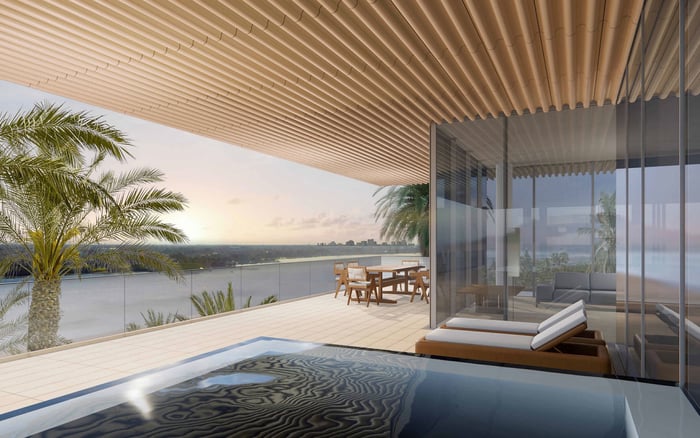
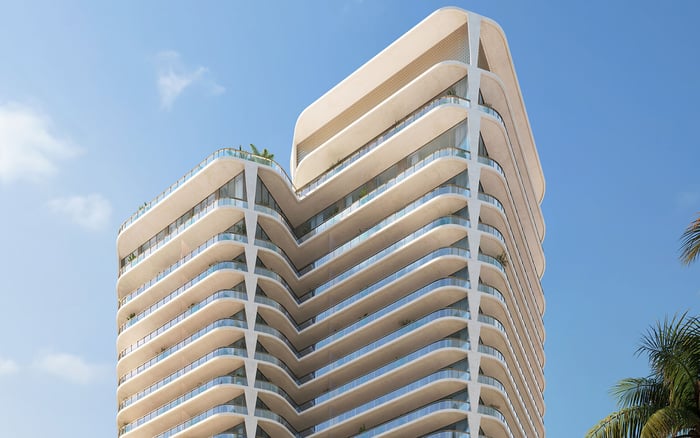
For a primary-residence buyer at Nora House, hurricane preparation is a question of written responsibilities, not amenity promises. Review protection specifications, balcony-clearance logistics, and owner-absence authority before relying on a managed storm response.
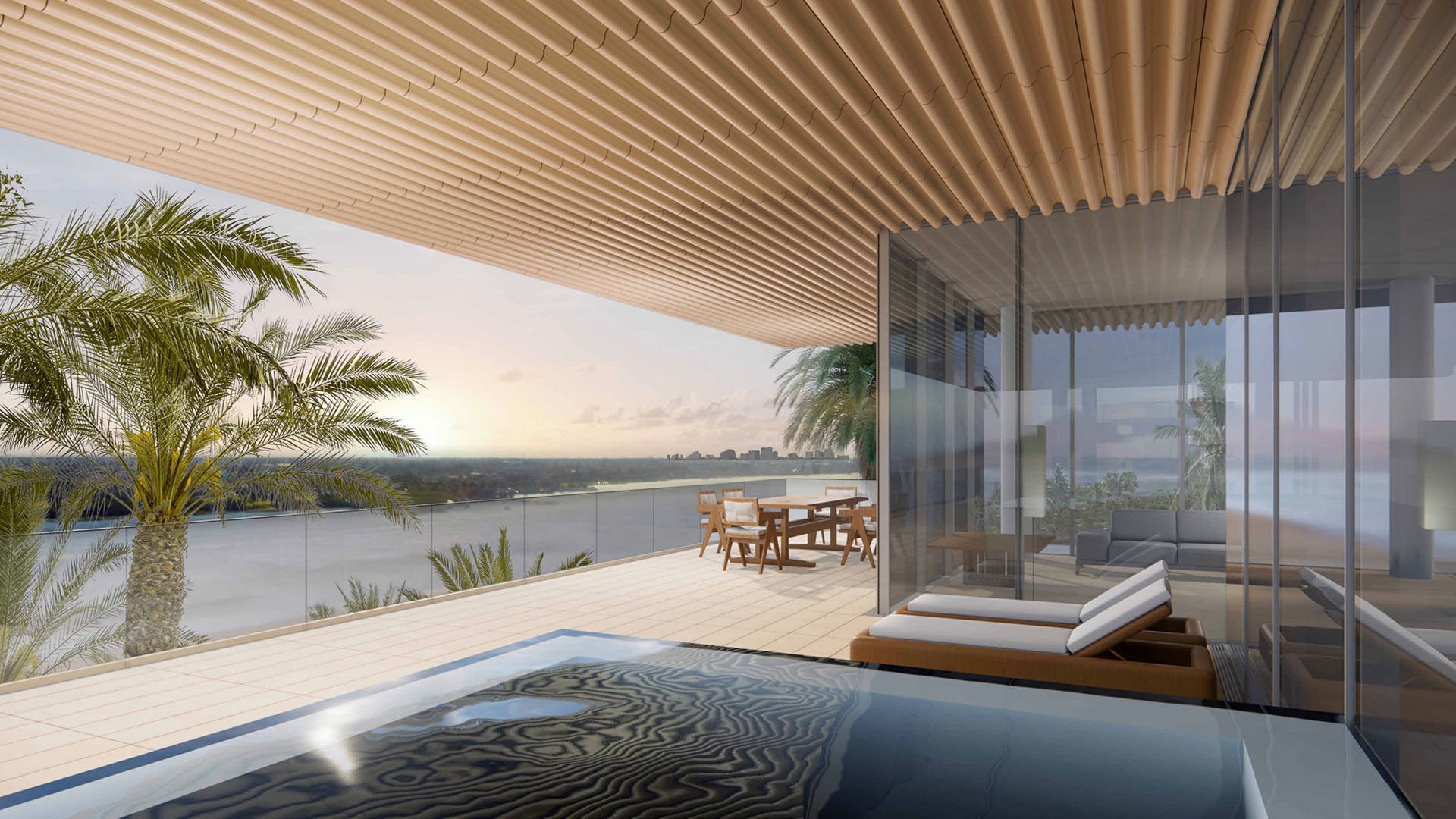
A primary residence should feel settled even when its owner is elsewhere. For a buyer considering Nora House in West Palm Beach, that means looking beyond the floor plan to the arrangements governing hurricane preparation, outdoor furnishings, and access during an absence. The most useful review is not a storm-readiness score. It is a clear account of who must do what, when, and at whose expense.
Nora House is a planned 11-story, 117-residence condominium in the Nora District, just north of downtown. Advertised layouts include two, three, and four bedrooms, with approximately 1,460-6,700 square feet of total living area. That measurement should not be treated as interior square footage. The stated delivery range is 2027-2030-a planning window, not a guaranteed completion date.
The distinction matters: a future home requires both architectural due diligence and an understanding of how its operating rules will take shape. Final hurricane procedures, balcony-clearance requirements, and owner-absence arrangements should not be assumed from the residential offering.
Nora House's planned amenities include fourth-floor and rooftop pool decks, six guest suites, a fitness center, spa facilities, and sports and recreation spaces. These features describe an intended lifestyle, not a commitment to prepare individual residences for a storm.
Facility use is subject to regulation by the condominium owners' association, while services provided within the facilities are subject to the association's then-current estimated budget. Buyers should distinguish amenities from any proposed in-residence assistance. Ask whether storm preparation would be an association function, an optional paid service, or work the owner arranges independently.
A buyer also considering Mr. C Residences West Palm Beach should apply the same documentary test to each property without assuming equivalent services. Compare written scope, availability, exclusions, and payment obligations-not the impression of service an amenity program creates.
Florida condominium law requires residential and mixed-use condominium boards to adopt hurricane-protection specifications for each building they operate. Those specifications may address color, style, and other relevant factors, and must comply with applicable building-code requirements.
Hurricane protection can include shutters, impact glass, code-compliant windows or doors, and other code-compliant protective products. This legal definition does not establish which systems Nora House will ultimately use. Request the building-specific specifications and identify the protective elements included in the purchase documents.
Associations may install or require owners to install hurricane protection, subject to the statutory framework and condominium documents. The declaration's allocation of responsibility for windows, doors, other apertures, and protective systems can affect whether duties fall to the association or individual owners.
Have condominium counsel review that allocation alongside the purchase documents. Ask who inspects, maintains, repairs, and operates each relevant system, and how the associated costs are assigned. Code compliance alone does not answer those operational questions.
A beautifully furnished balcony raises a practical question: what happens to everything outside when storm preparation begins? Nora House's final removal or securing requirements, deadlines, storage arrangements, and vendor fees are not established here. Each requires written confirmation; none should be treated as an existing rule or service.
Ask whether furniture, planters, cushions, and decorative objects must be removed, secured, or handled differently by category. Request the trigger for action and the completion deadline. Clarify who communicates instructions and how an owner confirms that the work is complete.
Storage deserves equal attention. If items must come inside, ask where they may be placed and whether the selected layout can accommodate them without obstructing necessary circulation. Do not assume common-area storage, staff handling, or a dedicated storage room will be available. Before commissioning outdoor furnishings, test the proposed arrangement against the written preparation requirements.
For someone weighing Nora House against Alba West Palm Beach, the useful comparison is the completeness of each property's clearance plan. Neither the size of an outdoor space nor the presentation of its furnishings establishes how easily it can be prepared during an owner's absence.
Primary-residence buyers travel too. Even a short absence can complicate a simple preparation task if no one has permission to enter or move belongings. Ask whether Nora House will offer an owner-absence authorization form and, if so, request its full terms before relying on it.
The review should establish who may enter, under what circumstances, and for which specific tasks. Distinguish management personnel from outside vendors or an owner's designated representative. Clarify the access method, contact sequence, spending limits, documentation of completed work, and procedure for changing or revoking authorization.
Ask what happens if the preferred vendor cannot attend or management cannot reach the owner. Who, if anyone, may authorize a substitute arrangement? Does permission cover only moving furnishings, or also operating protective systems? These questions define a proposed service; they do not establish that Nora House provides it.
Florida law permits a board to operate hurricane protection without individual owner permission when necessary to preserve and protect condominium or association property. That authority does not itself establish a balcony-removal service or blanket management-entry authorization. Counsel should distinguish statutory powers from any separate, consensual service arrangement and its limits.
Request the declaration, bylaws, rules, purchase documents, hurricane-protection specifications, and any storm-preparation or emergency-access policies. Read them together. Neither a sales conversation nor a single authorization form should be treated as a complete answer.
For each preparation task, seek four clear elements: a responsible party, a trigger or deadline, a permitted action, and a cost allocation. If procedures remain under development, ask how and when owners will receive the governing versions. Keep any optional vendor agreement distinct from association obligations.
The same approach applies when reviewing Shorecrest Flagler Drive West Palm Beach alongside Nora House. Compare written responsibilities, not presumed similarities between condominium offerings.
The primary-residence verdict is conditional, not a rating of Nora House's storm readiness. The planned residence and amenities may suit a buyer's daily life, but confidence during an absence depends on a documented plan for protection, clearance, access, and payment. Seek that clarity before treating convenience as part of the purchase.
For a discreet perspective on South Florida residential ownership, explore MILLION.
If branded residences are on your mind — as a home or as an allocation — we would be glad to share what we are seeing, privately.
Begin a quiet conversationNora House is planned as an 11-story, 117-residence condominium in the Nora District, just north of downtown. Advertised layouts include two, three, and four bedrooms.
The stated planning range is 2027–2030. It should not be treated as a guaranteed completion date.
The approximately 1,460–6,700-square-foot range describes total living area, not specifically interior square footage. Buyers should review the selected residence's area breakdown.
The pool decks, six guest suites, fitness center, spa facilities, and recreation spaces are planned amenities. They should not be described as operational.
Florida law requires residential and mixed-use condominium boards to adopt building-specific hurricane-protection specifications that comply with applicable building codes. These may address color, style, and other relevant factors.
Responsibility depends on the statutory framework and condominium documents, including the declaration's allocation of duties for windows, doors, other apertures, and protective systems. Buyers should obtain a building-specific review.
A final Nora House removal or securing requirement is not established. Buyers should request written instructions covering furnishings, deadlines, storage, and responsibility for the work.
An owner-absence storm-preparation service is not established. Confirm any proposed service's availability, scope, fees, and authorization requirements in writing.
Florida law permits this when necessary to preserve and protect condominium or association property. That authority does not itself establish a balcony-removal service or blanket management-entry authorization.
Request the declaration, bylaws, rules, purchase documents, hurricane-protection specifications, and any storm-preparation or emergency-access policies. Review any optional vendor agreement or owner-absence authorization separately.