A discreet, practical guide for South Florida penthouse buyers evaluating view protection, from sightline documentation and zoning context to terrace experience, neighboring parcels, and contract-stage diligence.
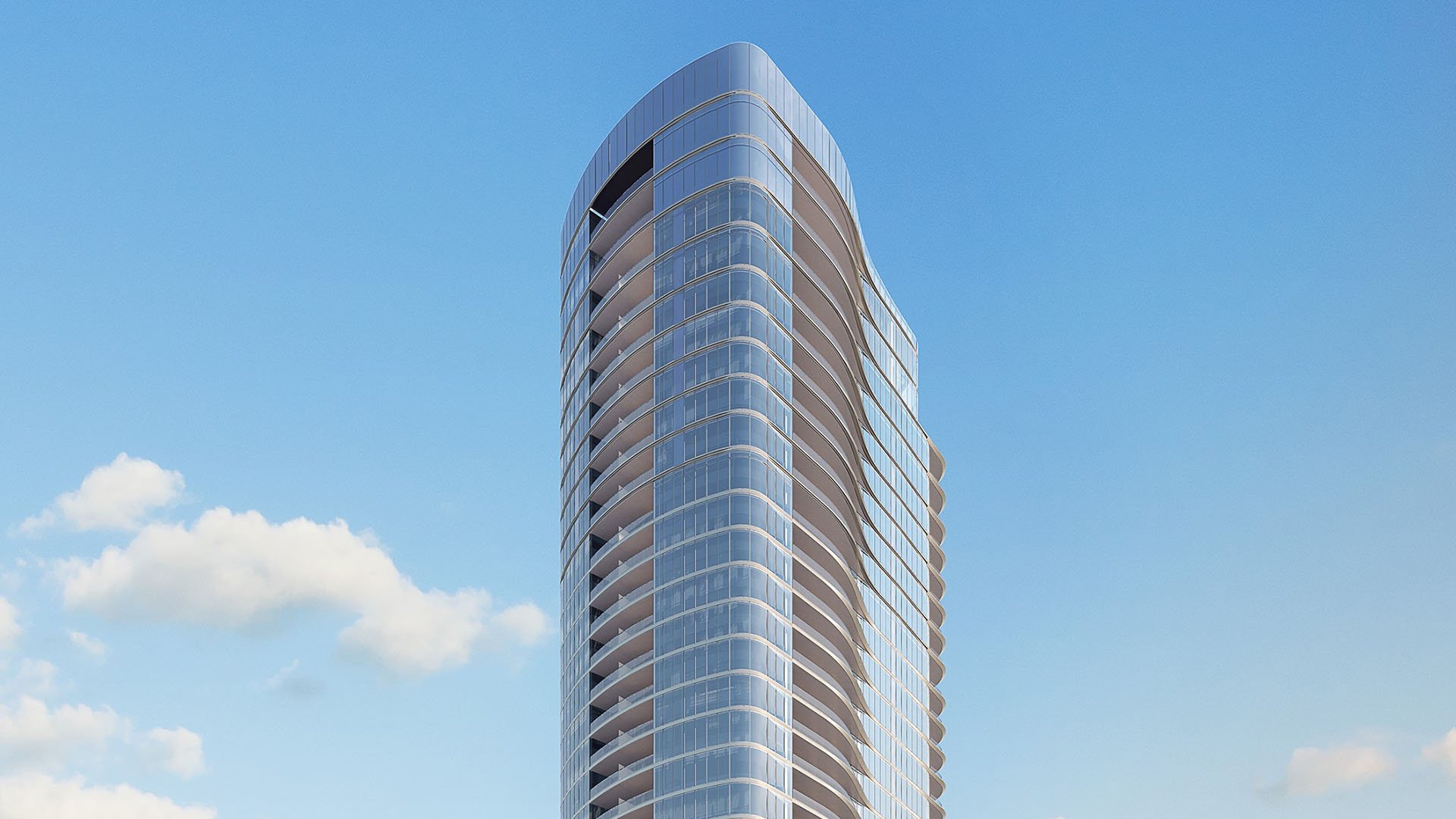
Penthouse buying in South Florida often begins with a feeling: the first step onto a private terrace, the quiet lift above the city, the line where water, sky, and architecture meet. For the serious buyer, that feeling must become a diligence file. A view is not just atmosphere; it shapes daily life, resale positioning, privacy, light, and the emotional logic of paying for the top of a building.
The mistake is assuming elevation alone creates protection. Higher floors may improve perspective, but they do not automatically secure a permanent horizon. A tower in Brickell, a waterfront residence in Aventura, or a coastal home near Miami Beach can each face a different set of future variables. The view may be influenced by neighboring sites, future entitlements, tree growth, rooftop equipment, marina activity, bridge alignments, or building geometry that is not obvious during a single showing.
The correct mindset is simple: treat the view as a material feature of the purchase. Ask what creates it, what could interrupt it, and what documentation supports the answer.
The first item on the checklist is ownership. A buyer should separate the elements that belong to the residence from the elements that merely appear within its outlook. Interior ceiling height, window placement, balcony depth, and terrace orientation may be part of the residence. The open parcel across the street, a low-rise neighbor, a tree canopy, or an empty waterfront lot is usually not.
This distinction is especially important for a Waterview purchase. Water can feel permanent, but the route to the water may depend on a corridor between other structures. A buyer should identify whether the primary view is direct, angled, layered, or framed. Direct water exposure is different from a view that slips between two towers. A skyline view across Downtown is different from a protected park-facing exposure. The value question is not only what the eye sees today, but how fragile that sightline may be.
Ask for a clean view plan during diligence. It does not need to be elaborate. A marked floor plan showing principal sightlines from the living room, primary suite, kitchen, terrace, and entry sequence can reveal whether the residence depends on one exceptional angle or offers multiple independent exposures.
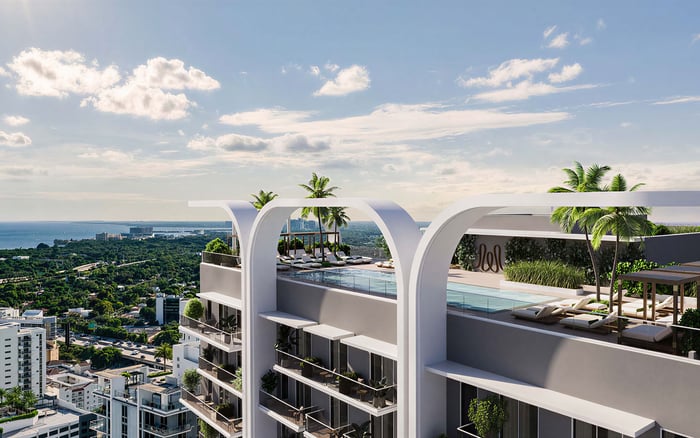
A refined penthouse should be studied as architecture. The buyer should look beyond the postcard image and read the structure itself: floor plate, corner position, setbacks, parapets, mechanical screens, roof elements, elevator overruns, pool decks, neighboring balconies, and the placement of amenity levels below or beside the residence.
The best views are often not the widest. They are the most usable. A dramatic panorama that requires standing at the glass may be less valuable in daily life than a calmer, seated view from the main salon. A sunrise exposure may be spectacular but demanding at breakfast. A sunset exposure may be glamorous but warmer in late afternoon. A corner Penthouse can create cinematic breadth, while a more linear residence may offer a disciplined, gallery-like outlook.
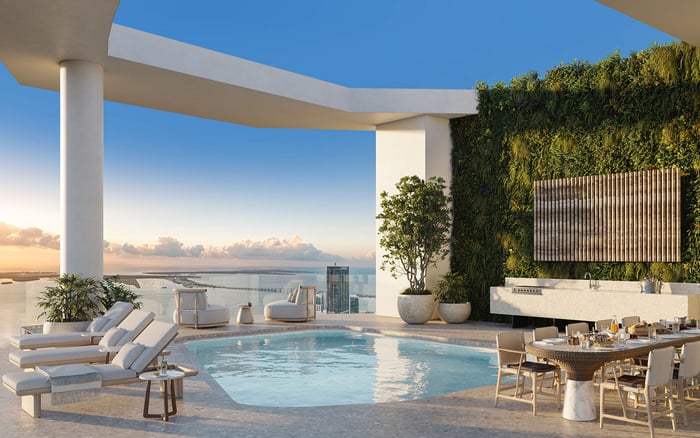
Balcony and terrace design matter as much as height. Deep terraces can become outdoor rooms, but they may also change the way light enters the interior. Narrow terraces may preserve interior brightness but provide less usable entertaining space. Glass railings, solid parapets, column placement, and overhangs can alter the experience from a seated position, which is the position that matters most after the first visit.
View protection in South Florida is rarely solved inside the residence alone. The buyer should study adjacent and nearby parcels with the same care used for finishes and floor plans. What is currently low-scale? What appears underbuilt relative to the surrounding area? Which sites could logically change over time? Which sightlines cross private land rather than water, public realm, or open space?
In Brickell, the skyline is part of the allure, but the urban condition requires discipline. A view may be dynamic rather than static, with light, glass, and movement becoming part of the composition. In Aventura, a buyer may be weighing water, marina, golf, or skyline perspectives, each with its own vulnerability. In Downtown, vertical growth can create both energy and uncertainty. The point is not to avoid change. The point is to understand which type of change would damage the specific view premium being paid.
For coastal and waterfront settings, review building placement, landscape plans, waterfront edges, and any proposed improvements within the property or nearby. Even modest changes can alter privacy and sightlines when the residence is designed around long horizontal views.
A serious buyer should experience the residence at more than one time of day whenever practical. Morning light, afternoon glare, evening reflections, and night views can create four different homes. The view from a sales gallery, rendering, or digital presentation should be treated as an introduction, not a conclusion.
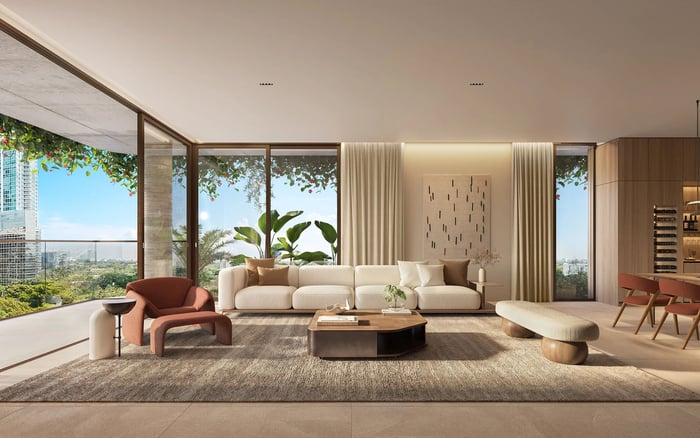
Inside the residence, test the view from ordinary positions. Sit at the dining table. Stand where a sofa would be placed. Open the terrace doors and listen. Walk from the elevator arrival to the main room and notice when the view reveals itself. Step into the primary bath if it has glass or outlook. Evaluate whether the view is generous in private rooms or concentrated only in the entertaining area.
Photography is useful, but video is better for spatial memory. A slow pan from fixed positions can help compare residences after emotion fades. Drone imagery may also be helpful when properly arranged, particularly for understanding the relationship between a unit and surrounding massing. The goal is not cinematic marketing. The goal is evidence.
Before a deposit becomes difficult to recover, buyers should ask their advisors to review the documents that shape view risk. These may include condominium documents, declarations, amendments, rules affecting terraces and exterior elements, architectural plans, survey material, site plans, landscape plans, and any available information regarding neighboring development applications or approvals.
A buyer should also ask direct questions in writing. Are there planned improvements to the building that may affect views? Are rooftop, facade, amenity, or landscape changes contemplated? Are there restrictions on terrace furniture, planters, screens, lighting, or umbrellas that could affect use? Are there neighboring parcels that have been discussed as potential redevelopment sites?
Not every question will produce a guarantee. That is acceptable. The purpose is to force clarity. A vague comfort statement is not the same as a reviewed document. A beautiful sunset is not a covenant. A sales conversation is not a substitute for diligence.
View protection is not always something a buyer can demand in absolute terms. In many situations, the more realistic goal is disclosure, documentation, and contractual precision. A buyer may seek written representations about known planned changes within the property, access to relevant plans, additional review periods, or the ability for counsel to evaluate municipal and condominium materials before a deposit becomes nonrefundable.
For new development and pre-construction purchases, the buyer should pay particular attention to reservation agreements, purchase contracts, rendering disclaimers, floor plan tolerances, terrace specifications, and any language governing changes to the building design. For resale, the focus may shift to association records, alteration history, assessment discussions, neighboring activity, and the practical realities of the building’s physical context.
The most elegant transaction is not the one with the most aggressive language. It is the one in which the buyer understands exactly what is being acquired, what is aspirational, and what remains outside the seller’s control.
Use this checklist before moving from admiration to commitment:
Confirm the primary view from seated positions, not only from the glass. Identify every parcel, rooftop, amenity deck, tree line, and structure within the main sightline. Compare daytime, twilight, and evening conditions. Review terrace usability, including shade, wind, privacy, railing height, and furniture placement. Ask advisors to review condominium documents, plans, and any relevant property materials. Request written answers about known building changes that could affect views. Study neighboring sites for potential future change. Preserve photos, videos, floor plans, and written notes in a single diligence file.
Above all, decide which view is essential. Some buyers need open ocean. Some need city lights. Some want privacy over spectacle. Once that priority is clear, the checklist becomes sharper and the purchase becomes calmer.
Can a penthouse view be fully guaranteed? Usually, buyers should not assume a view is fully guaranteed unless a qualified advisor confirms specific enforceable rights in writing.
Is a higher floor always safer for view protection? Height can help, but surrounding development, orientation, and building geometry may matter just as much.
What is the first document a buyer should review? Start with the condominium documents and purchase materials, then have counsel determine what additional records are needed.
Should I rely on renderings for a pre-construction penthouse? Renderings are useful for orientation, but buyers should review contract language and plans before relying on any depicted view.
How should I evaluate a Balcony or terrace view? Sit, stand, and walk the space at different angles to see whether the view works in daily use, not only in photos.
Does a Waterview always carry less obstruction risk? Not necessarily. The water may be permanent, but the corridor between the residence and the water can still change.
What should buyers ask about neighboring parcels? Ask what is known about nearby ownership, approvals, applications, and potential construction that could affect the sightline.
Can landscaping affect a penthouse view? Yes. Trees, palms, planters, and amenity landscaping can influence lower and mid-level sightlines, privacy, and light.
Is Downtown view risk different from waterfront view risk? Yes. Downtown views often involve urban change, while waterfront views may depend more on corridors, setbacks, and adjacent sites.
What is the best way to shortlist comparable options for touring? Start with location fit, delivery status, and daily lifestyle priorities, then compare stacks and elevations to validate views and privacy.
To compare the best-fit options with clarity, connect with MILLION.
If branded residences are on your mind — as a home or as an allocation — we would be glad to share what we are seeing, privately.
Begin a quiet conversation