An ownership-focused guide to advertised security features, unresolved cybersecurity questions, and the written data-retention policies buyers should request at The Residences at Mandarin Oriental, Miami.
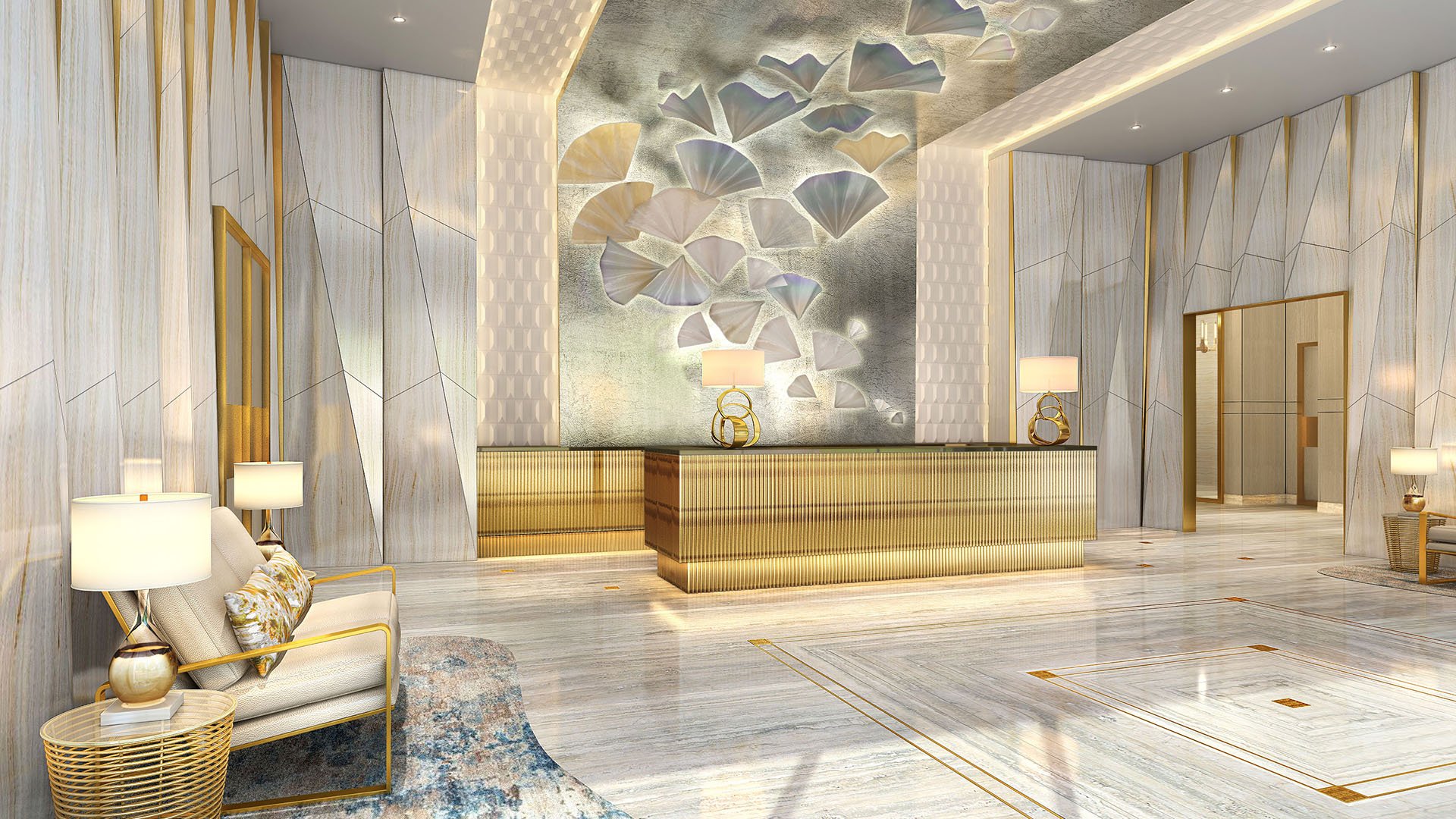
At The Residences at Mandarin Oriental, Miami, the ownership conversation should extend beyond the arrival experience to the systems behind it. The address is 750 Claughton Island Drive on Brickell Key. Advertised security and service features provide a starting point, but they do not resolve every question about credentials, network protection, or the lifespan of resident information.
For a buyer who values discretion, the distinction matters. A controlled entrance governs who may enter; an access-record policy governs who may later reconstruct that entry. Each deserves separate examination. The objective is not to demand sensitive technical blueprints, but to obtain written assurances defining responsibilities, limits, and procedures.
The principle is straightforward: physical security specifications do not establish cybersecurity safeguards. Equally, an undisclosed control is not necessarily an absent one.
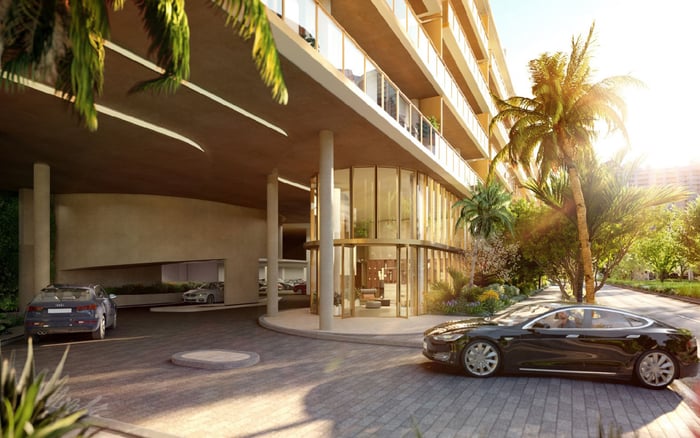
Advertised South Tower features include gated access with dedicated 24-hour security and a double-door main residence entrance with keyless entry. The North Tower private residences also advertise 24-hour security and keyless entrances. Controlled-access garage parking and high-speed internet with common-area Wi-Fi are advertised as well.
Treat these as advertised specifications, not independently verified operating systems. Keyless entry does not establish whether access relies on a card, mobile credential, code, or another technology. Nor does it establish biometric authentication. Common-area connectivity, likewise, says nothing by itself about network segmentation, security testing, or protections for remote administrators.
Request a tower-specific schedule identifying the systems that serve the residence, garage, elevators, and shared spaces. Ask whether credentials are linked across those systems and whether guest or staff permissions can be limited by time and destination. The written response should distinguish committed specifications from decisions awaiting final selection.
Access-event categories and retention and deletion periods remain unestablished in the publicly disclosed South Tower specifications. The ownership file should therefore include an access-control policy-not an assumption that every entry is recorded or every record expires automatically.
Ask management to define the information captured, if any: credential identifier, entry point, timestamp, successful access, denied attempts, and administrative changes. Then establish whether those events can be linked to a named resident, visitor, employee, or vendor. These are questions to resolve, not confirmed project characteristics.
Retrieval permissions matter as much as collection. Request the roles authorized to search, export, or share records; the approval process; and whether those searches are themselves audited. Ask how resident requests, disputes, and legal holds are handled, without presuming an unrestricted right to obtain other people's records.
Second-home owners should also request a practical credential-management procedure covering temporary household staff, visiting family, lost devices, and immediate revocation when authorization ends. A convenient entrance is only part of the equation; revocation deserves equal attention.
Building-specific certifications, penetration testing, network segmentation, vendor-access multifactor authentication, and breach-response procedures are not established by the disclosed features. This limits what buyers can conclude; it is not evidence of a security failure.
A proportionate request would seek a high-level security overview covering separation of resident connectivity from building-control systems, protection of administrative accounts, software maintenance, and external vendor access. Ask for a summary of independent testing, if available, rather than exploitable technical details. Identify who reviews deficiencies and signs off on remediation.
The incident-response plan should name the accountable contact and explain escalation, containment, resident communications, and service continuity. Buyers should also ask how entrance access functions during a network or power interruption, without assuming a particular fallback arrangement.
For a Brickell shortlist that includes Cipriani Residences Brickell, use the same written questionnaire. Consistency supports meaningful comparison without implying that either property's controls are identical, superior, or deficient.
Public-facing privacy provisions cover the collection of personal information to provide products and services, improve the user experience, and communicate relevant offerings. Separate purchaser-enquiry privacy terms permit CRM records to remain as long as needed to serve a prospective purchaser and afterward for record-keeping. Those terms supply no fixed retention period.
Do not extend that language to operational resident profiles, access logs, surveillance footage, visitors, parking, packages, Wi-Fi, or concierge records. A building-specific schedule for deleting or anonymizing resident data remains unestablished in the publicly disclosed privacy provisions.
Request a category-by-category retention schedule identifying each category's purpose, custodian, storage location, authorized recipients, retention trigger, duration, and deletion or anonymization method. Where systems maintain backups or vendors retain copies, ask how the same rules apply.
Former residents, employees, and vendors deserve explicit treatment. Ask whether departure closes an account, revokes a credential, deletes underlying records, or starts a separate retention clock. Legal holds should have a defined approval and release process, not serve as an explanation for indefinite storage.
A dedicated Mandarin Oriental service team is advertised as available 24 hours a day. That commitment does not, by itself, identify the entity responsible for every database, security contractor, or network.
The residences are not developed, sponsored, owned, offered, or sold by Mandarin Oriental Hotel Group or its affiliates, and the group provides no representation, warranty, or guaranty regarding them. Branding should therefore not substitute for a system-by-system responsibility schedule.
Request the controller or custodian for each category of information and clarify the roles of the developer, condominium association, manager, service operator, and vendors, as applicable. Legal provisions reserving disclosure for applicable law, regulation, legal process, or governmental requests do not constitute a complete residential security or condominium-records policy.
The same responsibility questions belong in a review of St. Regis® Residences Brickell. This is a diligence standard for a branded-residence purchase, not a claim about that project's arrangements.
Before relying on an assurance, ask for the relevant condominium documents, credential and elevator-control specifications, vendor responsibilities, and applicable privacy policies. If biometrics are contemplated, request their specific collection, consent, retention, and alternative-access provisions. Do not infer their use from the phrase keyless entry.
The final file should distinguish binding commitments from proposed procedures and assign an accountable contact to unresolved questions. Have counsel review how those answers relate to the governing documents. The goal is not a thicker folder, but a clear understanding of who may access the home, who may examine its associated records, and when those records should cease to exist.
For a discreet conversation about your next South Florida residence, connect with MILLION.
If branded residences are on your mind — as a home or as an allocation — we would be glad to share what we are seeing, privately.
Begin a quiet conversationThe listed address is 750 Claughton Island Drive, Miami, on Brickell Key.
Advertised specifications include gated access with dedicated 24-hour security and a double-door main residence entrance with keyless entry. These are specifications, not independently verified operating safeguards.
Separate North Tower private-residence specifications advertise 24-hour security and keyless entrances. Buyers should request tower-specific details rather than assume identical systems.
No. The disclosed South Tower keyless-entry description does not identify the credential technology or establish biometric authentication.
The disclosed South Tower specifications do not establish access-log retention or deletion periods. Request a written schedule covering event categories, retention triggers, deletion, and legal holds.
No. Advertised common-area Wi-Fi does not establish network segmentation, independent security testing, vendor-access protections, or incident-response procedures.
No. Those terms address prospective-purchaser enquiries and provide no fixed retention period; they do not establish operational rules for resident profiles or access logs.
Branding alone does not establish responsibility for each system. Buyers should request the controller or custodian and the applicable roles of management, the association, service operators, and vendors.
No unrestricted retrieval right is established here. Ask for the applicable request process, authorization requirements, and protections for other people's records.
Request governing condominium documents, credential and elevator-control specifications, data-retention schedules, vendor responsibilities, and incident-response procedures. Any contemplated biometric system should have its own policies and alternative-access provisions.