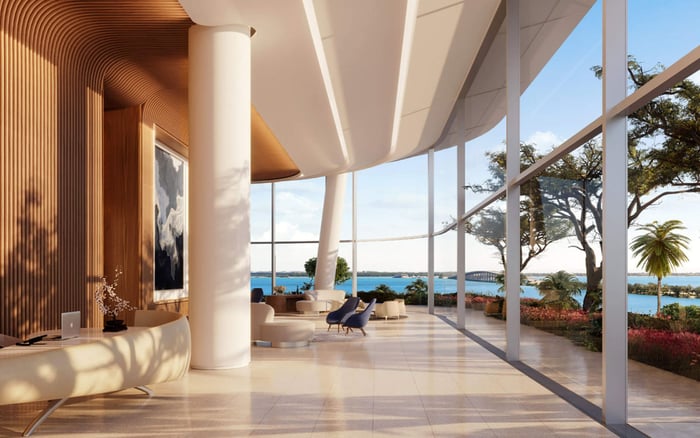
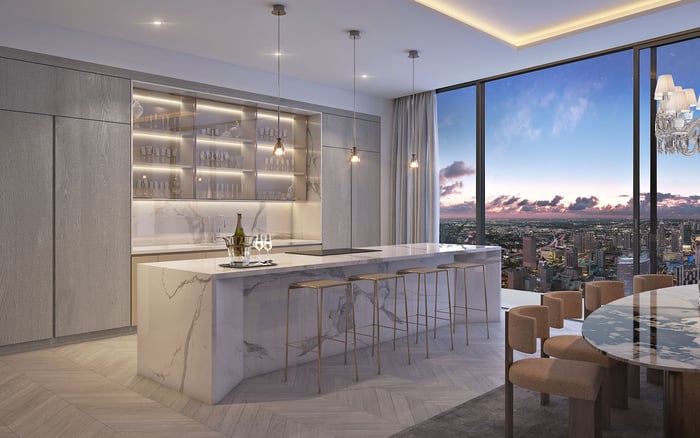
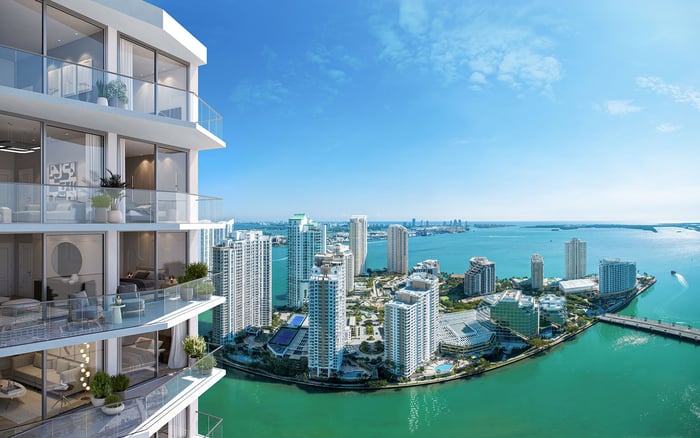
A buyer-focused look at how winter occupancy can shape service capacity, amenity reservations, dining plans, valet flow, and guest access at Colette Residences Brickell.

For seasonal owners, the most revealing measure of a luxury building is not how it performs on a quiet weekday, but how gracefully it functions when residences are occupied, families are visiting, dinner calendars are full, deliveries increase, and cars arrive at the same time.
That makes winter an important lens through which to evaluate Colette Residences Brickell. Peak demand can affect service capacity, reservable amenities, elevators, valet operations, dining coordination, and guest procedures. None of these considerations diminishes the appeal of seasonal ownership. They simply underscore that luxury is partly an operational promise, not merely a design proposition.
A second home in Brickell may see its most intensive use during the same period when neighbors are doing the same. Higher seasonal occupancy can make shared spaces, elevators, and reservable amenities busier than they are in the off-season. Owners accustomed to spontaneous plans may therefore find that earlier coordination creates a more seamless stay.
The practical question is not whether peak periods generate activity. It is whether staffing, building systems, and reservation protocols preserve a sense of ease under pressure. For a Brickell lifestyle buyer, that distinction can shape daily satisfaction more than a feature encountered only occasionally.
Service quality is best examined as a chain. A request begins with communication, moves through staffing and scheduling, and ends with execution. During winter, each link may be handling greater volume. Prospective owners should ask how requests are prioritized, which service hours apply, and how the team communicates when several residents need assistance simultaneously.
Amenity planning belongs in the same conversation. If spaces require reservations, owners should confirm booking windows, cancellation rules, party-size limits, and whether holiday periods follow different procedures. In new-construction purchases generally, operating policies may continue to evolve, so buyers should distinguish current commitments from expectations and confirm details with the project or management team.
Winter dining is both a building-service consideration and a neighborhood-planning consideration. Short-notice tables and larger parties may require more advance coordination during high season. Owners expecting concierge assistance should clarify its scope, service hours, and whether any dining privileges are formally included.
Buyers comparing Cipriani Residences Brickell or ORA by Casa Tua Brickell may naturally focus on each project’s identity. The more useful comparison, however, is operational: which dining-related benefits are documented, how reservations are handled, and what remains subject to availability. Assumptions should never replace current written clarification.
Arrival is one of the most visible tests of residential service. When both the building and the surrounding district are busy, valet and curbside operations can shape the transition from car to residence. Holiday gatherings add another layer through visitor vehicles, ride services, packages, and deliveries.
Owners should ask where guests report, whether advance vehicle details are required, how deliveries are routed, and which procedures apply during especially active periods. The objective is not merely speed, but an orderly arrival sequence that protects privacy while preventing the curb from feeling improvised.
Visiting family can increase demand for concierge assistance, parking, shared spaces, and access credentials. A polished guest experience therefore depends on rules that are both secure and easy to understand. Buyers should confirm whether visitors need advance registration, whether identification is required, and how access is issued or revoked.
Amenity privileges deserve particular attention. Guests may need an owner present, may face limits, or may require separate registration. Because specific policies can change and are not universal, owners should verify the current position directly rather than infer it from another residence. Privacy is preserved most effectively when hospitality procedures are clear before guests arrive.
A disciplined review should follow the course of an actual winter day. Begin with arrival, continue through elevator movement and amenity use, then consider dining arrangements, visitors, deliveries, and departure. Ask who handles each step, during which hours, through which reservation or access system, and with how much notice.
This framework also helps buyers assess nearby alternatives such as The Residences at 1428 Brickell. The purpose is not to assume identical offerings, but to compare documented procedures on equal terms. For investment analysis, operating clarity can matter alongside architecture, location, and residence design because seasonal use exposes the systems that support ownership.
Before committing, request current answers on service hours, reservation windows, dining privileges, guest limits, access technology, valet procedures, delivery handling, and holiday protocols. Winter performance is ultimately a practical test of whether the residence can maintain composure when demand is most concentrated.
Why does winter occupancy matter at Colette Residences Brickell? Higher seasonal use can place greater demand on shared spaces, elevators, services, and reservable amenities.
Should owners reserve amenities earlier during peak season? Earlier planning may be prudent, subject to the building’s current reservation windows and policies.
Are Colette’s specific staffing levels confirmed? Specific staffing levels are not established here and should be verified directly with the project or management team.
Does Colette have confirmed in-building dining? No particular in-building restaurant or dining program should be assumed without current project confirmation.
What dining questions should a buyer ask? Confirm any dining privileges, the scope of concierge assistance, service hours, reservation procedures, and availability limitations.
Why are valet procedures especially important in winter? Heavier building and neighborhood activity can place greater pressure on curbside arrivals, visitor vehicles, and deliveries.
Can guests use resident amenities independently? Buyers should confirm whether guests require accompaniment, advance registration, or separate access authorization.
What should owners clarify before hosting holiday visitors? Review guest limits, parking, identification, delivery routing, amenity access, and registration lead times.
How should buyers compare Colette with other Brickell projects? Compare documented service hours, reservation systems, access rules, valet procedures, and guest policies on equal terms.
What is the central winter-ownership takeaway? Peak season tests whether staffing, technology, operating policies, and communication can sustain a discreet luxury experience.
To compare the best-fit options with clarity, connect with MILLION.
If branded residences are on your mind — as a home or as an allocation — we would be glad to share what we are seeing, privately.
Begin a quiet conversation