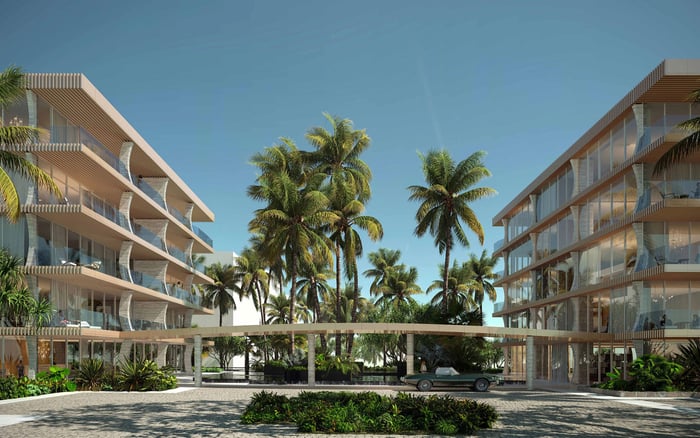
A discreet arrival begins with a well-prepared ownership file. For Palm Beach County condo buyers, that means separating current street restrictions from building-specific rules for guests, valet service, parking, and after-hours access.
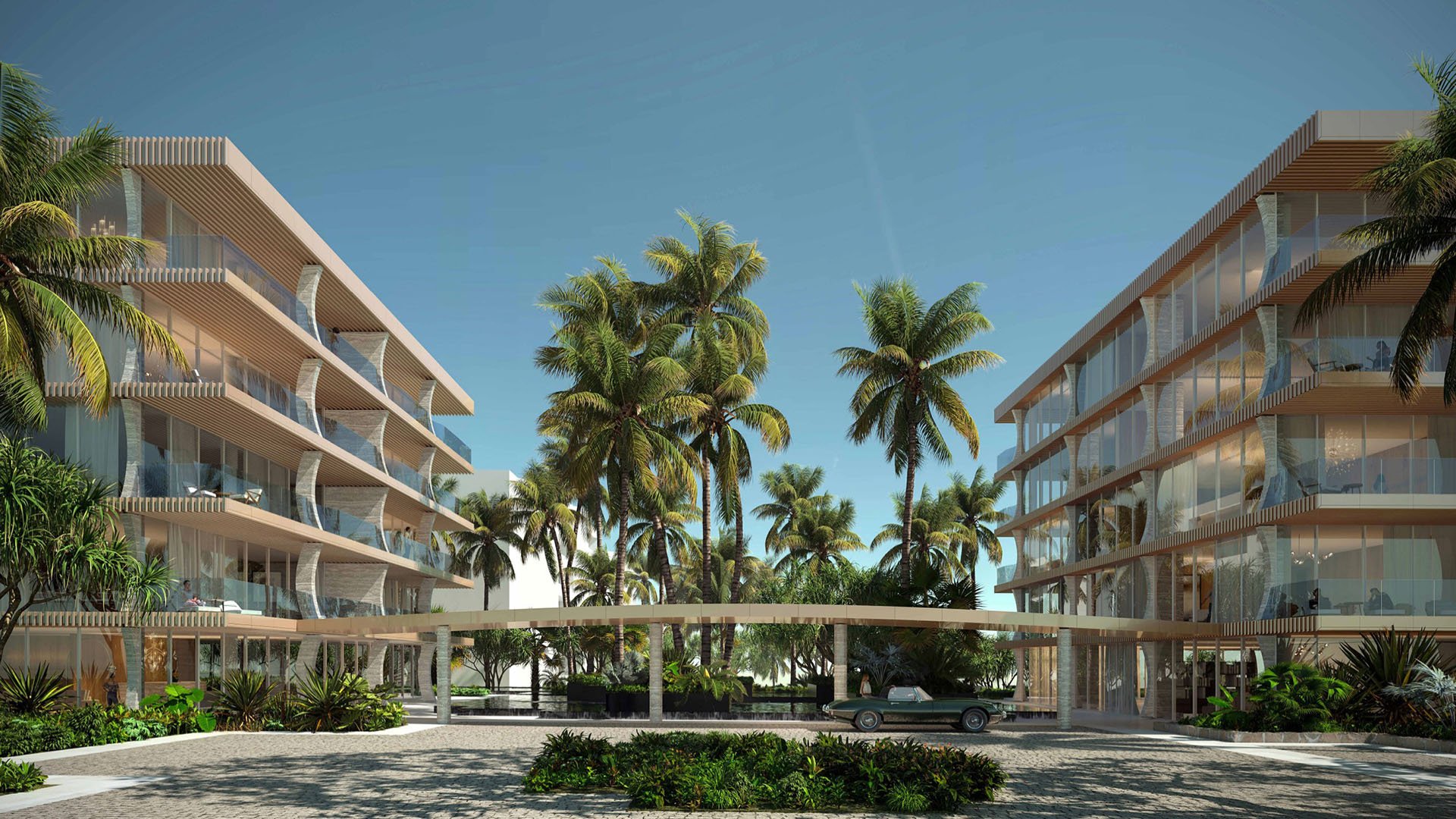
A beautifully appointed condominium should feel composed from the moment a guest approaches the building. During event week, that experience deserves the same attention as the residence itself. Street restrictions, an uncertain drop-off point, or unresolved guest authorization can interrupt an otherwise carefully planned evening.
For a Palm Beach County buyer, the ownership file should include more than purchase documents and maintenance information. Add a practical arrival section: current traffic checks, written visitor procedures, valet arrangements, and a clear after-hours contact. The objective is not to anticipate every delay, but to establish who can resolve one and which instructions guests should follow.
The project references below concern West Palm Beach; they do not establish countywide condominium requirements. Treat the following as planning advice, then confirm the applicable procedures with the individual building and the relevant municipality.
Two distinct systems govern an arrival. Public-road restrictions determine whether a vehicle can reach the building’s approach. Building procedures determine whether a guest, vehicle, or delivery can enter once there. Visitor authorization is not permission to use a restricted street.
Check current closure information for the relevant municipality and consider allowing additional travel time during major events. Keep that traffic information separate from the building’s written rules so neither is mistaken for the other.
When considering Forté on Flagler West Palm Beach, ask management to identify the approved arrival approach and any alternate instructions. Do not infer a particular entrance arrangement or event-week service from the address or project name.
An event date alone is not enough to plan an arrival. Check the effective start and end times of any restriction, the affected street segment, and whether the notice applies to the approach guests intend to use.
Do not assume that setup, event attendance, and reopening share the same timetable. Review any available setup and reopening information before choosing a route. A previous event’s instructions should not be treated as a standing schedule.
For an actual visit, confirm the current restriction window and the relevant street segment. If either remains unclear, flag it for follow-up rather than including an unverified route in the guest brief.
Valet service is convenient for an arriving guest only when the operating details are clear. Obtain written confirmation of valet hours, guest-parking procedures, and where overflow vehicles may wait. Ask whether the approved waiting location changes during events and who communicates revised instructions.
Keep four answers together: where a vehicle should approach, where it may wait, who handles it, and how the guest retrieves it after valet service ends. Do not assume an alternate curb, neighboring driveway, or nearby parking area is an acceptable substitute.
For buyers evaluating Alba West Palm Beach, these are due-diligence questions, not assertions about its services. Request the applicable written procedures rather than relying on a general description of hospitality. If an arrangement remains unconfirmed, mark it as unresolved in the file rather than presenting it to guests as available.
Guest registration should be a defined process, not a message sent in the hope that someone will see it. Obtain the building’s written registration rules and ask how an owner knows authorization has been accepted. Confirm the procedure for recurring visitors separately from one-time arrivals.
Ask management what information is required, how changes should be submitted, and who can authorize a visitor when the owner is unavailable. If deliveries require separate clearance, record that distinction. A dinner guest, a recurring service provider, and a delivery should not automatically receive identical instructions.
At Mr. C Residences West Palm Beach, a buyer can use the same checklist to request the applicable access procedures. The project reference does not establish a specific policy. The ownership file should contain management-confirmed instructions that can be shared accurately with visitors.
Treat an evening arrival as a separate planning question rather than assuming daytime instructions remain applicable. Check the current restrictions for the actual arrival date and time, including any notices affecting the planned return journey.
Before hosting, confirm the overnight-security contact, who can approve a late guest, and how keys are handled after valet closes. Ask what to do if an arrival time changes. For a buyer considering Shorecrest Flagler Drive West Palm Beach, requesting these details is more useful than assuming all after-hours arrangements follow the same model.
Translate the ownership file into a short, guest-facing brief. Include the confirmed arrival window, relevant closure corridors, management-approved alternate approaches, the authorized drop-off point, and one building contact. Distinguish that operational contact from the owner’s social invitation so a delayed guest knows whom to reach.
Use the event calendar to flag dates for review, then check current closures before distributing instructions. Avoid sending competing route suggestions. The brief should make clear which approach has been approved and what the guest should do if it becomes unavailable.
Keep the fuller written procedures in the ownership file, with their confirmation date. Guests need concise directions; owners need the underlying rules and contacts. That separation preserves both clarity and discretion.
A polished arrival plan is not a promise of uninterrupted access. It is a practical way to reduce uncertainty around traffic, authorization, parking, and late-night handoffs. Before purchase, ask for the written procedures. Before event week, refresh the route information and reconfirm arrangements that depend on timing.
For a considered approach to Palm Beach County condominium ownership, explore MILLION.
If branded residences are on your mind — as a home or as an allocation — we would be glad to share what we are seeing, privately.
Begin a quiet conversationKeep written visitor rules, recurring-access procedures, valet hours, overnight contacts, and approved entrance or drop-off instructions together. Add current traffic information separately.
No. Confirm access procedures with the individual building and road restrictions with the relevant municipality.
Do not treat previous instructions as a standing schedule. Check the current notice for the actual arrival date and time.
Review the restriction’s start and end times, along with any available setup and reopening information. Do not assume these match event attendance hours.
Check whether current restrictions affect the specific street segments guests intend to use. Ask management to confirm the building’s approved approach and any alternate instructions.
Confirm valet hours, where overflow may wait, and any management-approved alternate drop-off instructions. Do not assume a nearby curb or driveway is available.
Ask how registration is submitted and accepted, what information is required, and who can authorize a visitor if the owner is unavailable.
Do not assume so. Ask management whether deliveries require separate clearance and retain those instructions in the ownership file.
Confirm the overnight contact, the person authorized to approve entry, and key-handling arrangements after valet closes. Also ask how changes to the arrival time should be communicated.
Include the arrival window, relevant closures, approved approaches and drop-off instructions, and one building contact. Keep detailed building rules in the owner’s fuller file.