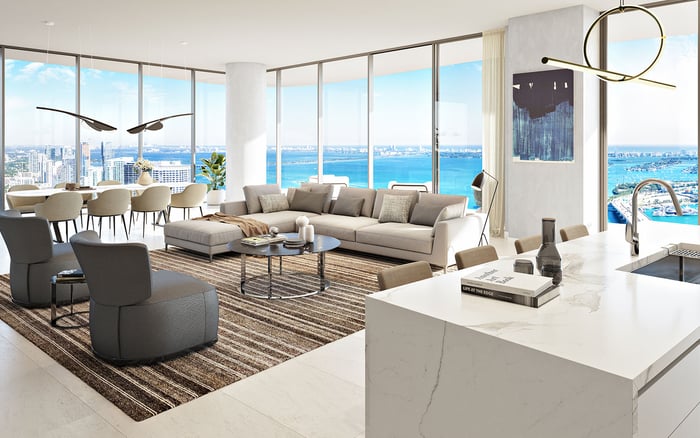
At Casa Bella, generous balconies call for thoughtful storm-season planning. Buyers should evaluate indoor storage, arrange private assistance during absences, and confirm building-specific preparation and access procedures before committing to a residence.
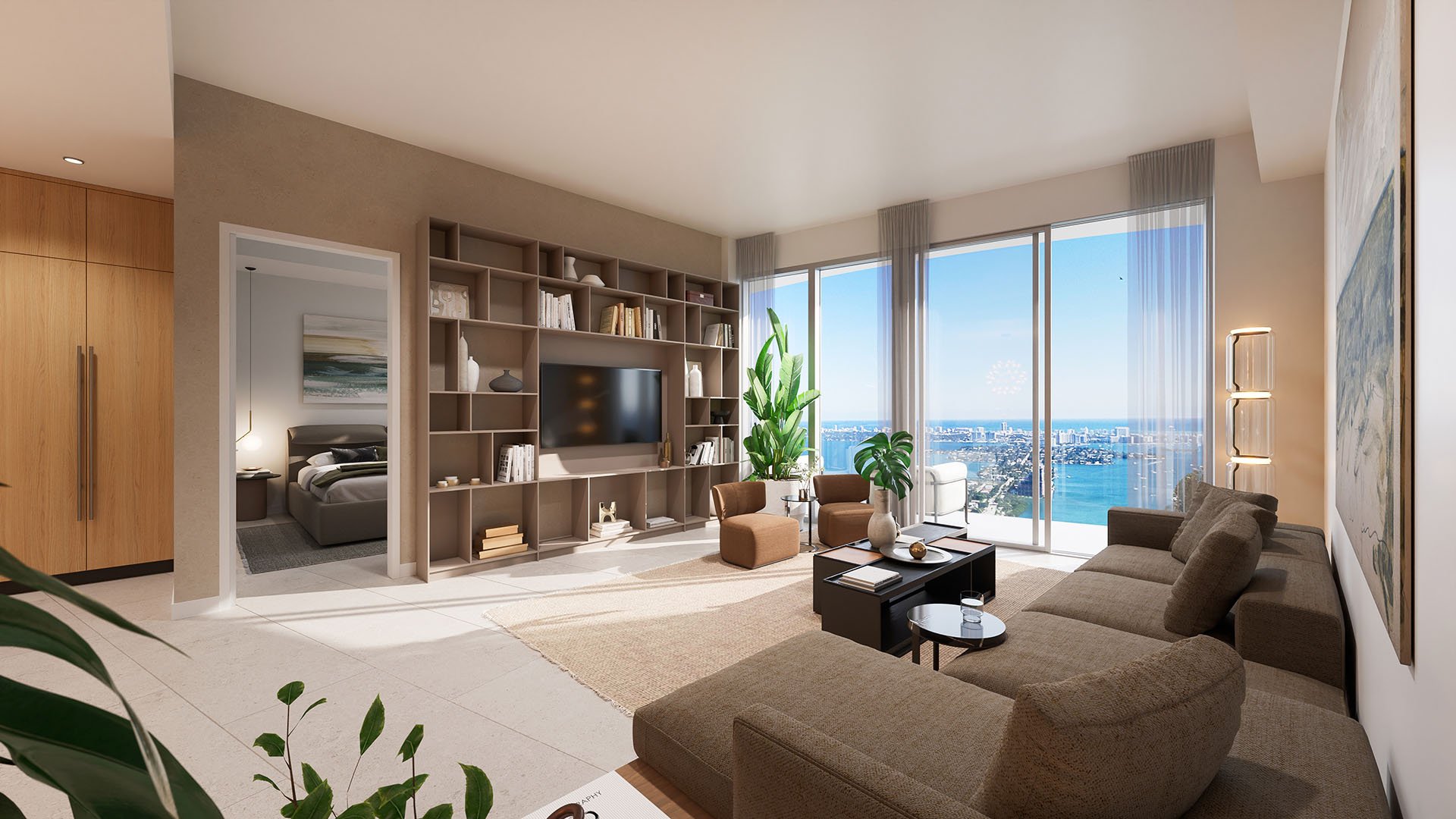
At Casa Bella by B&B Italia Downtown Miami, the balcony deserves as much attention in the purchase conversation as the interiors. The Downtown Miami condominium, developed by Related Group and Alta Developers, features large balconies, with wraparound configurations in some residences. Buyers also had the option to purchase B&B Italia furniture packages. Neither a generous outdoor footprint nor a furnishing option, however, answers the practical question of how a residence will be prepared when a storm approaches.
For an owner who travels frequently, the considerations are straightforward: where movable outdoor belongings will go, who will move them, and how that person will gain access. These are purchase-planning decisions, not details to defer until a weather advisory arrives. A beautifully composed residence should also have a workable preparation plan.
Miami-Dade’s hurricane season runs from June 1 through November 30. Local preparation rules require best efforts to store or secure exposed loose objects while a qualifying severe-weather advisory is in effect for the county. Furniture and similar belongings should be secured before tropical-storm-force winds are anticipated, rather than after conditions begin to deteriorate.
The inventory extends beyond dining tables and lounge chairs. Plants, bicycles, toys, gardening supplies, and household items that could become windborne also belong in the assessment. Cushions, decorations, and loose planters deserve particular attention: a balcony can appear cleared while smaller movable objects remain outside.
Before buying furnishings, map out indoor destinations for outdoor belongings, room by room. As a planning recommendation, identify space for movable pieces and assess whether they can be carried through the residence’s openings. This is not a confirmed Casa Bella storage requirement; it is a way to make the eventual clearance plan practical.
A wraparound balcony can accommodate a more extensive outdoor arrangement, making an item-by-item inventory especially useful. Consider each seating area, planter grouping, and decorative surface separately. The purchase question is not simply whether a piece fits outside, but whether the owner has a practical plan to bring it inside or otherwise secure it appropriately.
Outdoor objects may be brought indoors or secured, braced, or fastened to a fixed structure sufficiently to prevent them from becoming windborne. That does not establish permission to attach furniture or accessories to any particular part of Casa Bella. Before choosing a securing strategy, ask management which methods, if any, the building’s balcony rules permit.
Treat the furniture decision and the storage decision as one exercise. Ask whoever is planning the outdoor layout to identify the movable pieces and their proposed indoor locations. The availability of a B&B Italia furniture package should not be interpreted as confirmation that outdoor storage or storm preparation is included.
An owner-absence plan should identify a person who can prepare the residence when the owner cannot return. As a planning recommendation, assign that responsibility to a designated private party rather than rely on management. This is not a confirmed Casa Bella policy; buyers should not assume building staff will clear a balcony.
Ask a prospective caretaker or service provider what work they can undertake, how much notice they need, and whether they can handle the furnishings selected. Consider a backup contact as a planning precaution. The arrangement should reflect the residence’s needs and the building’s confirmed access procedures, not simply the availability of a key.
Before an extended absence, review the inventory with the designated person. A suggested checklist can identify outdoor items, indoor destinations, and tasks that require clarification from management. Confirming responsibilities in advance is more useful than discovering, as a storm approaches, that everyone expected someone else to act.
Casa Bella’s specific owner-absence authorization requirements are not established here. Buyers should request the current process in writing rather than assume that a standard letter, standing permission, or informal introduction will suffice.
Ask whether written authorization is required for a third party to enter and prepare the residence. If so, ask whether management provides a form, what information it must contain, how long permission remains effective, and whether the designated person must complete any separate registration. Clarify how keys or other access credentials should be handled and whether access arrangements change as a storm approaches.
These are due-diligence questions, not confirmed building requirements. The same discipline applies when comparing Casa Bella with Aston Martin Residences Downtown Miami: request each property’s own instructions rather than treating a shared location as evidence of shared procedures.
Request Casa Bella’s current hurricane plan, balcony rules, third-party access requirements, and management instructions before purchase or an extended absence. A useful written response should distinguish owners’ responsibilities from any assistance the building may offer.
Ask specifically about preparation deadlines, whether a balcony-clearance service exists, whether assistance must be reserved, and whether charges may apply. Do not assume a particular Casa Bella deadline, clearance fee, or guaranteed staff service. If help is offered, clarify its scope rather than treating it as a complete substitute for an owner’s plan.
Apply the same checklist to Waldorf Astoria Residences Downtown Miami if it is part of the search. The comparison should focus on documented responsibilities and practical arrangements, not an expectation that a residential brand determines its storm procedures.
General preparation advice does not establish Casa Bella’s instructions. Likewise, a recommendation to close hurricane shutters does not establish that Casa Bella uses shutters or follows the same protection procedures. Ask management to explain the storm-protection steps applicable to the residence.
The most useful purchase plan brings three decisions together: an outdoor layout with a workable storage strategy, a designated person available during absences, and written confirmation of the building’s procedures. Review that plan before hurricane season and before extended travel. If any task remains unresolved, simplify the outdoor arrangement or clarify who is responsible before relying on the plan.
For considered guidance on selecting a South Florida residence that fits both your lifestyle and ownership needs, explore MILLION.
If branded residences are on your mind — as a home or as an allocation — we would be glad to share what we are seeing, privately.
Begin a quiet conversationHurricane season runs from June 1 through November 30. Review the residence’s preparation plan before the season and before extended travel.
Casa Bella residences feature large balconies, including wraparound configurations in some units. Buyers should consider where movable outdoor belongings will go and who will handle preparation.
Include furniture, cushions, plants, loose planters, decorations, bicycles, toys, and gardening supplies. Small objects matter alongside larger furnishings.
General preparation guidance allows objects to be brought inside or adequately secured to prevent them from becoming windborne. Confirm which methods Casa Bella permits before planning attachments or fastening arrangements.
Prepare before tropical-storm-force winds are anticipated rather than waiting for conditions to deteriorate. Request Casa Bella’s specific preparation deadlines in writing.
Guaranteed staff assistance is not established. Arrange private assistance unless management confirms an available service and its scope.
A specific written-authorization requirement is not established. Ask management whether authorization is required and whether it provides a form.
Ask about third-party registration, authorization duration, access credentials, and any changes to access as a storm approaches. Confirm the current procedures in writing.
No specific clearance fee or preparation deadline is established here. Request the current hurricane plan and details of any services or charges directly from management.
Other buildings’ procedures can inform planning questions, but they are not Casa Bella rules. Confirm Casa Bella’s own balcony, access, and storm-protection instructions.