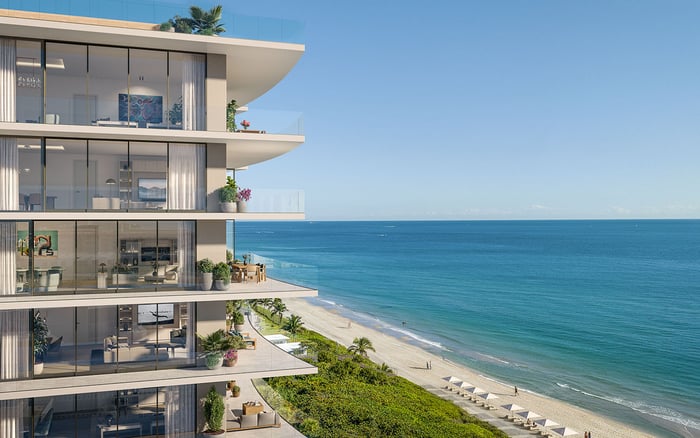
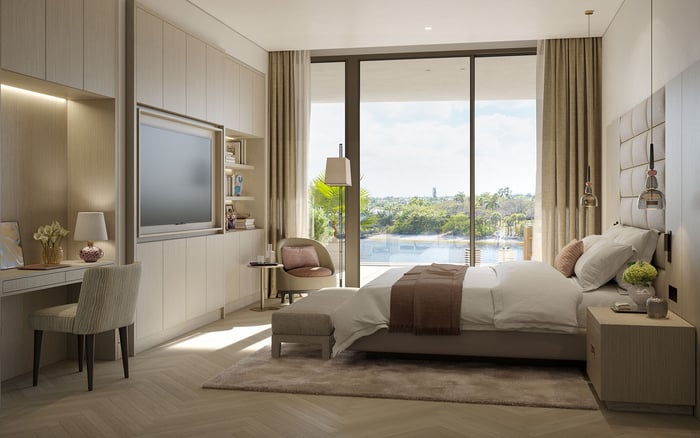
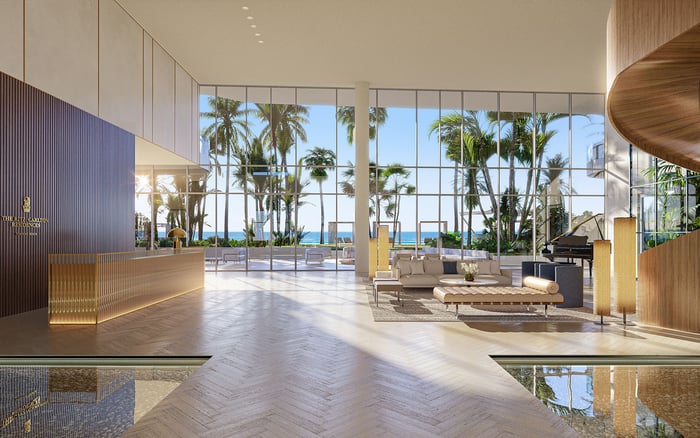
A collector’s Hillsboro Beach condominium deserves more than beautiful lighting. Build an ownership file that connects object-specific exposure limits, daylight controls, verified mounting conditions, and a careful review of private collection insurance.
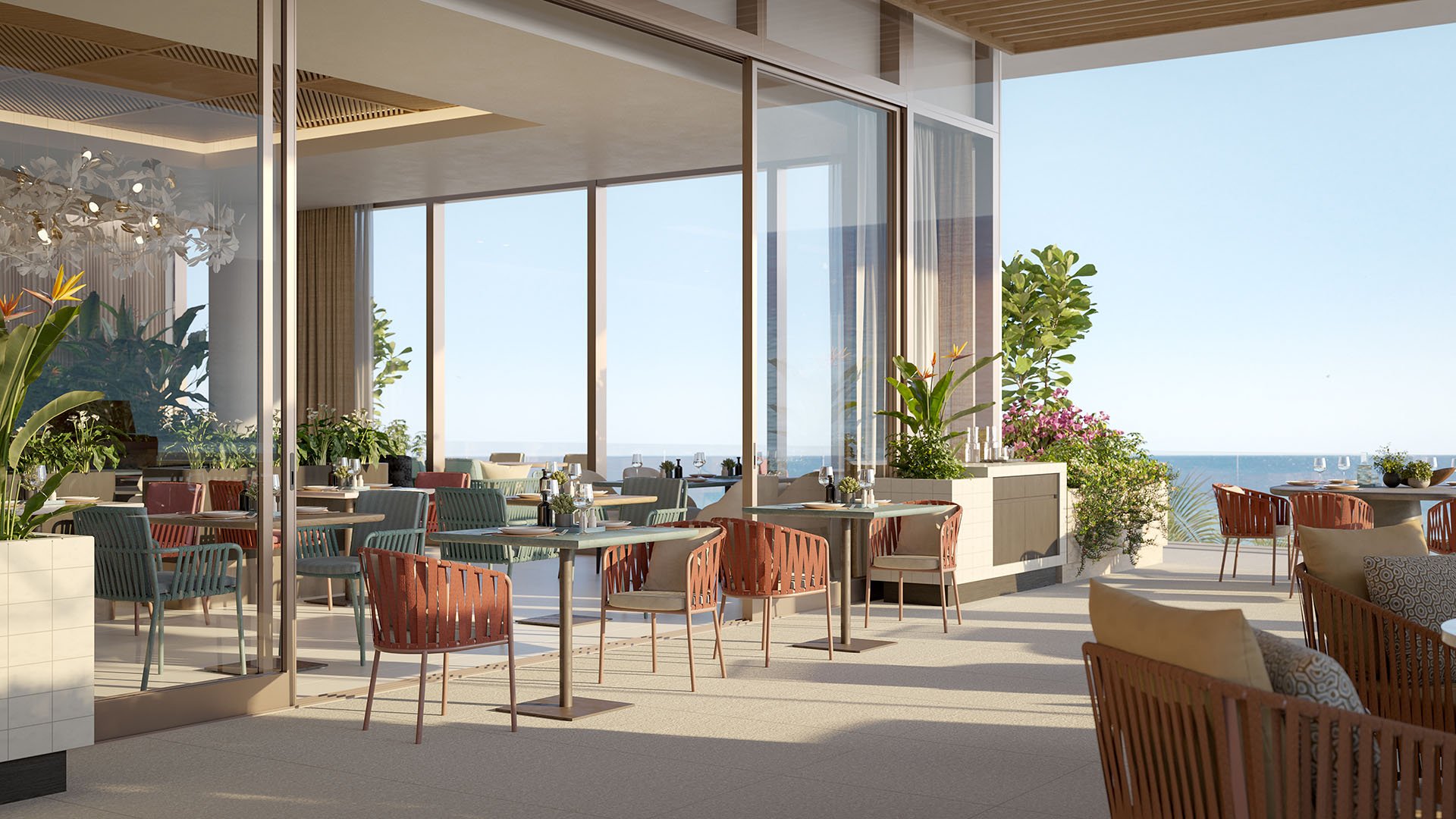
A Hillsboro Beach condominium can be an elegant setting for a private collection, but visual polish is not preservation. The ownership file should connect four decisions too often handled separately: how each object is illuminated, how daylight is controlled, what supports its weight, and which insurance contract responds to a loss.
For a buyer considering Rosewood Residences Hillsboro Beach, these questions belong in the residence review; the answers should not be assumed from a project name. A compelling interior becomes collection-ready only when the proposed installation is evaluated against the objects and the actual conditions in the unit.
Begin with an object-by-object schedule. Record each work’s material, dimensions, framed weight, intended location, and any conservation advice. Keep lighting instructions, mounting details, and insurance documentation alongside that schedule. The objective is a coherent brief that a conservator, lighting designer, installer, and insurance adviser can each review without relying on verbal assurances.
Museum-grade lighting is not a single brightness setting. Approximately 50 lux is a conservative starting point for sensitive materials such as paper, textiles, watercolors, photographs, and fugitive dyes. It is not a guarantee against damage. Sensitive works can deteriorate even at this level, making duration as important as the initial lighting target.
Approximately 150 lux is a traditional display guideline for oil and acrylic paintings, painted surfaces, panels, and furniture. Individual pigments and materials may require more restrictive treatment. Approximately 300 lux is a traditional guideline for relatively light-stable stone, metal, ceramics, and glass, but a coating or sensitive component can change the assessment entirely.
Treat these three bands as a first-pass brief, not an automatic specification. A mixed-media work should not inherit the allowance of its most durable component. Ask the conservation adviser to identify the vulnerable material and establish appropriate conditions for the complete object.
For the ownership file, request a lighting plan that identifies each display position and its intended illumination. Have the team assess light at the artwork rather than relying solely on a fixture’s advertised output. What matters is the light that reaches the object during actual residential use.
Properly specified white LEDs are preferred for museum displays because they produce minimal ultraviolet and infrared radiation. A color rendering index above 90 is a useful selection criterion for appearance. Neither quality eliminates the potential for visible-light damage.
Use diffused, evenly distributed illumination and avoid concentrated hotspots. Keep collection lighting on a separate circuit from general room lighting so an evening at home does not automatically become an evening of exposure for every work. Dimming, timers, and occupancy controls can help reduce the cumulative dose.
Exposure schedules should follow individual sensitivity. For exceptionally vulnerable materials, a stringent conservation benchmark allows only three months of display over five years at 50 lux. That is not a rule for every photograph or textile; it illustrates why a highly fugitive object may require rotation rather than permanent display.
Record both the intended light level and the display schedule. A beautiful installation is easier to manage when its operating instructions are as clear as its design drawings.
UV control and daylight control are related, but not interchangeable. Keep ultraviolet output as low as possible; a museum-lighting benchmark sets a threshold below 75 microwatts per lumen. That figure describes UV relative to light output, not a safe allowance for all illumination.
Consider UV-filtering glazing or film alongside complementary blinds or shades. Removing ultraviolet radiation does not prevent vulnerable surfaces from fading under visible white light, nor does it address all solar heating. A transparent treatment alone is not a complete preservation strategy.
During planning, ask the design team to examine the proposed display wall under different daylight conditions and document how shades and electric lighting will work together. Distinguish between a room that feels bright and an object that receives excessive exposure.
The same due-diligence discipline belongs in a Boca Raton comparison involving Alina Residences Boca Raton. Evaluate the proposed unit and artwork location directly; do not infer collection suitability from the address or interior aesthetic.
A substantial frame or suspended sculpture calls for a mounting assessment, not a generic anchor recommendation. Wall construction, anchor capacity, permissible suspended loads, and alteration requirements must be established for the specific installation. No universal weight allowance should be assumed for a Hillsboro Beach condominium.
Request available wall information and have the installer identify the actual substrate and proposed fixing method. Where the work’s weight or configuration warrants it, seek a qualified structural assessment. Ask the association which documents, approvals, or contractor procedures apply before authorizing drilling or reinforcement.
Keep the mounting plan, any required approvals, and installation records in the ownership file. If the artwork moves to another wall, reassess that location rather than treating the first mounting decision as transferable.
These questions also belong in a Pompano Beach search that includes The Ritz-Carlton Residences® Pompano Beach. They are unit-specific diligence questions, not statements about a project’s wall systems or approval policies.
Florida’s condominium statute excludes personal property within units or limited common elements from the association’s required property coverage. An owner should therefore not assume that the master policy insures a private art collection.
The same statutory framework excludes specified owner-side components, including floor, wall, and ceiling coverings, electrical fixtures, appliances, built-in cabinets and countertops, and window treatments. The collection, its lighting, and its surrounding finishes should not be treated as one automatically insured package.
Ask the insurance adviser to map the proposed installation against the actual owner policy and any collection policy. Request written clarification of valuation terms, limits, deductibles, exclusions, and coverage during transport or installation. Flood, pairs-and-sets treatment, title defects, and diminution in value are subjects to ask about, not benefits to presume.
Retain the policy wording and written responses with the collection inventory. A coverage description should be traceable to the contract, not to an expectation formed during purchase or design.
The finished ownership file should connect the object schedule to the lighting settings, daylight controls, mounting decisions, and insurance terms. Any unresolved issue should remain an explicit decision for the relevant professional, not disappear behind the completed interior.
This is the discreet advantage of planning early: the residence can serve everyday life while the collection receives object-specific care. Review the file whenever an artwork, display position, fixture, shade treatment, or policy changes.
For a considered approach to South Florida luxury ownership, explore MILLION.
If branded residences are on your mind — as a home or as an allocation — we would be glad to share what we are seeing, privately.
Begin a quiet conversationInclude an object schedule, conservation instructions, lighting and daylight plans, mounting documentation, and insurance terms. Keep these records connected to each artwork’s intended location.
No; approximately 50 lux is a conservative starting point for sensitive materials, not a guarantee of safety. Damage can still accumulate over time.
Approximately 150 lux is a traditional display guideline. Individual pigments and other components may require lower levels or shorter exposure.
Approximately 300 lux is a traditional guideline for relatively light-stable materials. Sensitive coatings or composite components require separate assessment.
No; a color rendering index above 90 helps with appearance, but it does not eliminate visible-light damage.
No; UV filtering does not address all visible-light exposure or solar heating, so complementary blinds or shades remain important.
Separate circuits allow ordinary residential use without unnecessarily extending artwork illumination. Dimming, timers, and occupancy controls can further reduce exposure.
Display schedules should reflect each object’s sensitivity. Exceptionally vulnerable materials may need substantial periods off display.
Verify the actual wall construction and proposed fixing method with qualified professionals. Confirm any applicable association requirements before installation rather than assuming a universal weight allowance.
Owners should not assume it does: Florida’s required association property coverage excludes personal property within units or limited common elements. Review the actual owner and collection policies for applicable terms and exclusions.