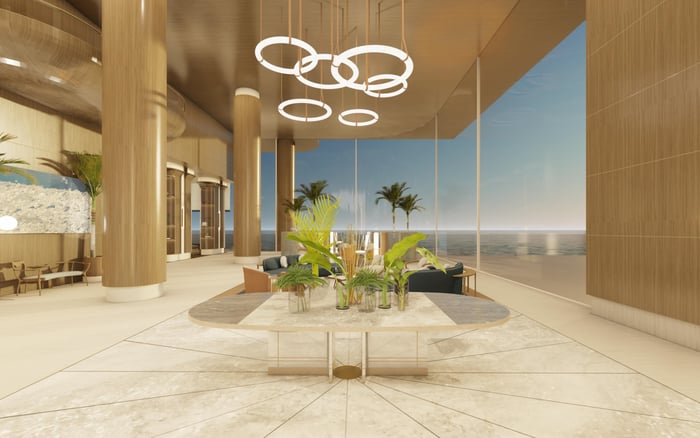
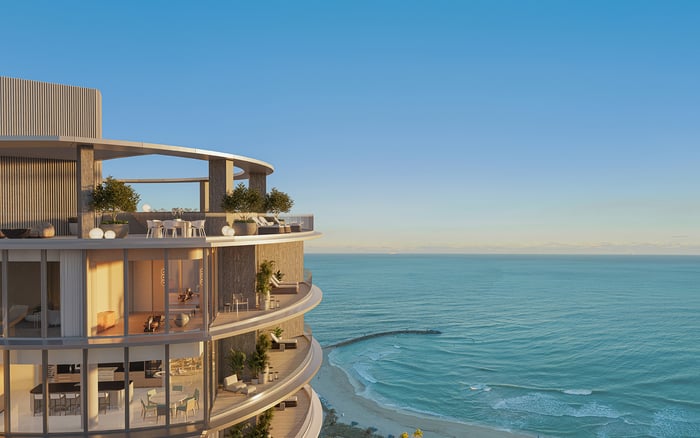
A practical North Miami buying guide for art, wine, watch, fashion, and design collectors who want residences that can support climate stability, privacy, and serious due diligence.
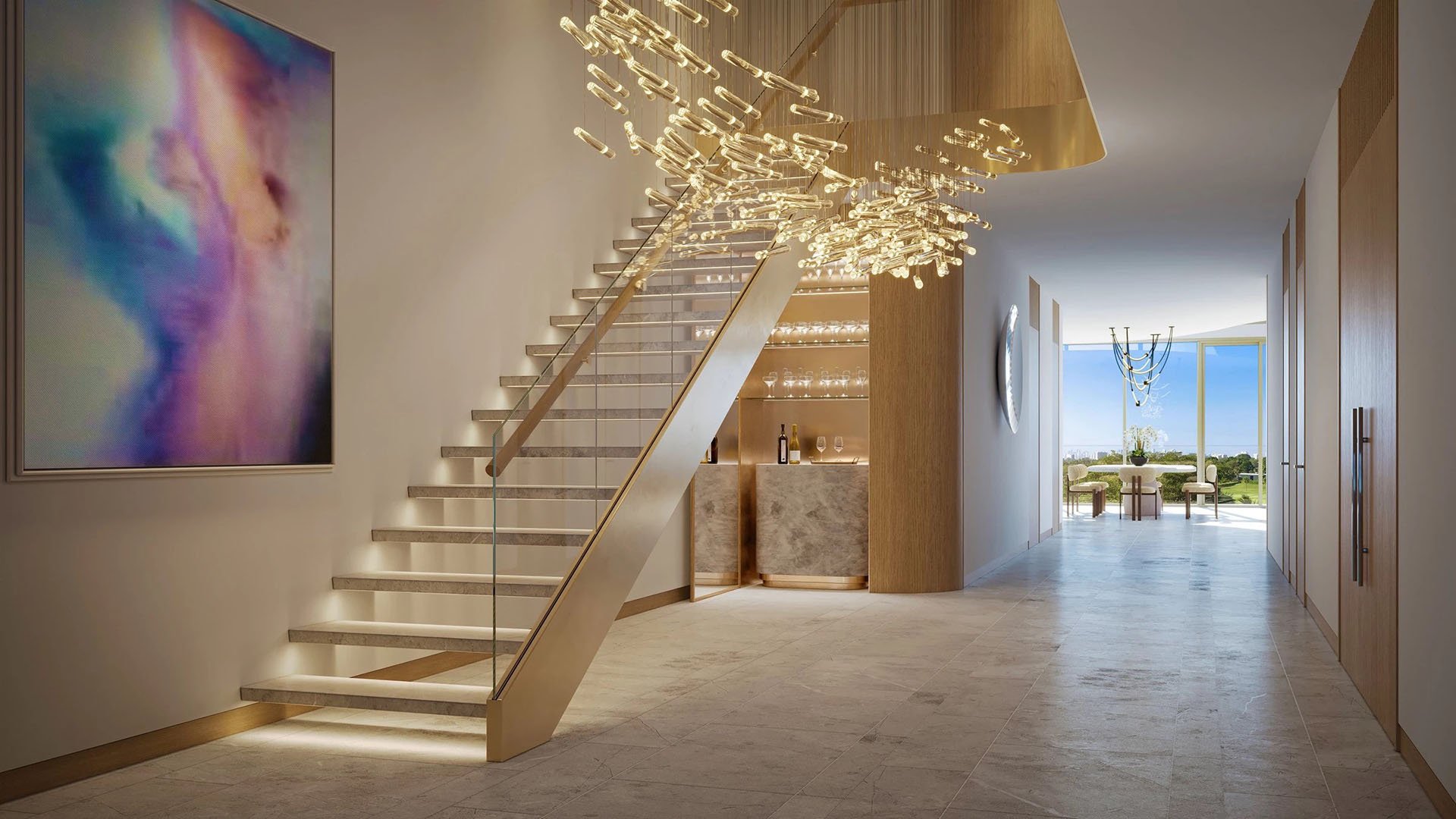
For a serious collector, a residence is never only a place to live. It is a private environment for objects that may be emotionally irreplaceable, financially significant, or both. Paintings, works on paper, rare books, couture, vintage watches, wine, photography, furniture, archives, and design pieces all ask the same question of a home: can the interior remain calm when the outside world does not?
That is why climate stability belongs at the beginning of the search, before views, finishes, or entertaining space. In North Miami and its surrounding luxury corridor, the strongest purchase is not simply the most beautiful one. It is the residence where the building envelope, mechanical systems, power strategy, service access, and storage conditions can support a collector’s daily life without turning preservation into a constant project.
This North Miami entry in the Buyer’s Guides is designed for discreet buyers who want to ask sharper questions. The goal is not to turn a residence into a museum. The goal is to choose a home where museum-grade thinking can be integrated quietly, elegantly, and without compromising the pleasure of living.
Before touring, define the collection. A wine collector is solving for different conditions than a photography collector. A watch collector may prioritize secure, low-visibility storage and stable interior comfort. A textile or fashion collector may need carefully planned closets, UV-aware lighting, and storage free from dampness. An art collector may require wall space, controlled daylight, and rooms that avoid dramatic swings in temperature and humidity.
The brief should cover what is currently owned, what is likely to be acquired, what may rotate to storage, and what deserves prime display. This is not merely decorative planning. It shapes room dimensions, wall depth, closet suitability, wine-storage placement, and the level of mechanical review needed before purchase.
For North Miami buyers, the advantage is flexibility. The area can function as a calmer residential base while remaining connected to the wider Miami luxury market. Buyers comparing a North Miami address with nearby waterfront neighborhoods might start with One Park Tower by Turnberry North Miami, then broaden the conversation to adjacent bayfront and island markets depending on the collection’s scale, privacy needs, and preferred daily rhythm.
The most expensive finishes cannot compensate for inconsistent air. For collectors, HVAC should be treated as a primary luxury feature. During diligence, ask how the residence is cooled, how zones are controlled, whether dedicated areas can be kept more stable, and what happens during maintenance or service interruptions.
A single thermostat reading during a showing says very little. A stronger review considers system age, service history, zoning capability, dehumidification strategy, filtration, fresh-air intake, noise, maintenance access, and whether upgrades are feasible without disrupting finished interiors. The ideal residence allows a specialist to tune rooms for comfort and preservation rather than forcing the collection to adapt to the home.
Closets deserve the same attention as living rooms. Many collectors store valuable objects out of sight, and secondary spaces are often where climate problems first appear. Walk-in wardrobes, storage rooms, wine rooms, dens, and staff areas should be assessed as carefully as the primary salon.
South Florida light is one of the region’s great pleasures, but a collector must manage it with intention. Wide glass, high ceilings, and shimmering water views create an extraordinary atmosphere. They also require a plan for display walls, shading, UV management, and fixture selection.
The question is not whether a home is bright. The question is whether brightness can be controlled. Motorized shades, layered window treatments, art-safe lighting, thoughtful wall placement, and flexible furniture plans can turn a luminous residence into a livable gallery. If an important work is planned for a specific wall, the buyer should confirm that the wall can carry the load, avoid harsh exposure, and be serviced without drama.
For buyers considering the broader bay corridor, Continuum Club & Residences North Bay Village can be part of a useful comparison set, especially when studying how water, light, and view orientation affect daily living. North Bay Village, Bay Harbor, and Sunny Isles Beach each offer distinct lifestyle rhythms, but the climate questions remain constant.
Collectors often focus on what guests will see. The more important test is what staff, installers, conservators, framers, wine specialists, security consultants, and insurers can do without making the home feel exposed. A residence should allow discreet movement of valuable objects from arrival to placement. Elevators, loading areas, corridors, parking access, ceiling heights, door widths, and building rules all matter.
Ask whether large-format works can enter the residence without special improvisation. Ask where crates can be staged. Ask whether service providers can access the home without crossing intimate family spaces. Ask whether storage can be organized for inventory, photography, insurance review, and rotation.
Waterfront living adds another layer. For a collector, waterfront is not just romance. It is a prompt to review exposure, access, mechanical placement, and contingency planning with greater seriousness. The best homes feel effortless because these matters have already been considered.
North Miami buyers often compare options across a tight but varied luxury geography. Bay Harbor Islands appeals to buyers who want a quieter island sensibility with proximity to the beach and Bal Harbour area. Bay Harbor Towers may enter the conversation for those studying boutique-scale living and a more residential cadence.
Nearby, La Baia North Bay Harbor Islands may suit buyers who want to compare newer waterfront living in a setting that feels intimate rather than urban. Farther along the coast, Sunny Isles Beach remains a natural reference point for buyers who want a more vertical oceanfront profile, with projects such as Bentley Residences Sunny Isles often entering broader discussions about privacy, arrival, and high-design residential identity.
The point is not to chase a name. The point is to compare how each building, residence, and neighborhood supports the collection. A collector’s ideal home may be the one with fewer compromises, simpler service access, better storage logic, and the ability to maintain stable conditions quietly over time.
A collector should not rely solely on a standard walkthrough. The right team may include a property inspector, HVAC specialist, art advisor, conservator, security consultant, wine-storage specialist, insurance representative, and designer familiar with preservation-minded interiors. Not every purchase requires every expert, but serious collections benefit from early review.
The team should evaluate the residence before decisions become emotional. They can identify whether a desired display plan is realistic, whether a wine room is appropriate, whether closets need modification, whether lighting is suitable, and whether mechanical systems merit further study. These reviews are most valuable before contracts, renovation budgets, and move schedules are locked.
The same discipline applies to association documents and building policies. Rules around deliveries, contractors, storage, renovations, generators, access, and insurance can affect the collector’s lived experience. A residence may look perfect in person and still be inconvenient for a collection if the building’s operating culture is not aligned.
Walk slowly. Listen for mechanical noise. Notice whether rooms feel consistent from one area to the next. Look for signs of condensation, uneven cooling, musty storage, harsh sun exposure, or limited service paths. Study walls not as decoration, but as potential display infrastructure. Open closets. Ask where archives, crates, luggage, seasonal wardrobes, and collection records will live.
Then imagine a real day: a work arrives, a piece is rotated, a watch shipment is logged, wine is delivered, a conservator visits, guests arrive, and a stormy afternoon changes the mood outside. A strong collector residence absorbs all of this without friction. It protects without feeling defensive. It performs without announcing its machinery.
That is the quiet standard for North Miami’s most discerning buyers.
What should collectors evaluate first in a North Miami residence? Start with HVAC, humidity-control potential, storage quality, service access, and building rules before focusing on finishes or views.
Is a waterfront residence suitable for important collections? It can be, provided the buyer reviews exposure, mechanical systems, glazing, storage, and contingency planning with qualified specialists.
Should I bring an art advisor before making an offer? Yes, if the collection is significant or display-driven. Early input can prevent costly layout, lighting, and installation problems.
Are closets important for climate stability? Very important. Closets and secondary storage rooms often hold valuable pieces and should be assessed for consistency and ventilation.
What questions should I ask about HVAC? Ask about zoning, service history, dehumidification, filtration, maintenance access, redundancy, and whether dedicated rooms can be tuned separately.
How should wine collectors approach the search? They should evaluate whether proper wine storage can be installed or maintained without heat, vibration, light, or access issues.
Can lighting damage a collection? Poorly managed light can be a concern for sensitive works, textiles, photographs, and works on paper, so shading and fixture selection matter.
Why does service access matter? Valuable objects need discreet delivery, installation, rotation, and maintenance. The building should make those movements controlled and efficient.
Is North Miami a practical base for collectors? It can be a compelling base for buyers seeking privacy, residential calm, and access to the broader Miami luxury corridor.
When should insurance be discussed? Insurance should be reviewed early, especially when the collection affects storage, security, installation, or documentation requirements.
When you're ready to tour or underwrite the options, connect with MILLION.
If branded residences are on your mind — as a home or as an allocation — we would be glad to share what we are seeing, privately.
Begin a quiet conversation