A discreet comparison of The Links Estates at Fisher Island and Bay Harbor Towers, focused on how arrival, privacy, and urban access shape daily ownership for ultra-premium South Florida buyers.
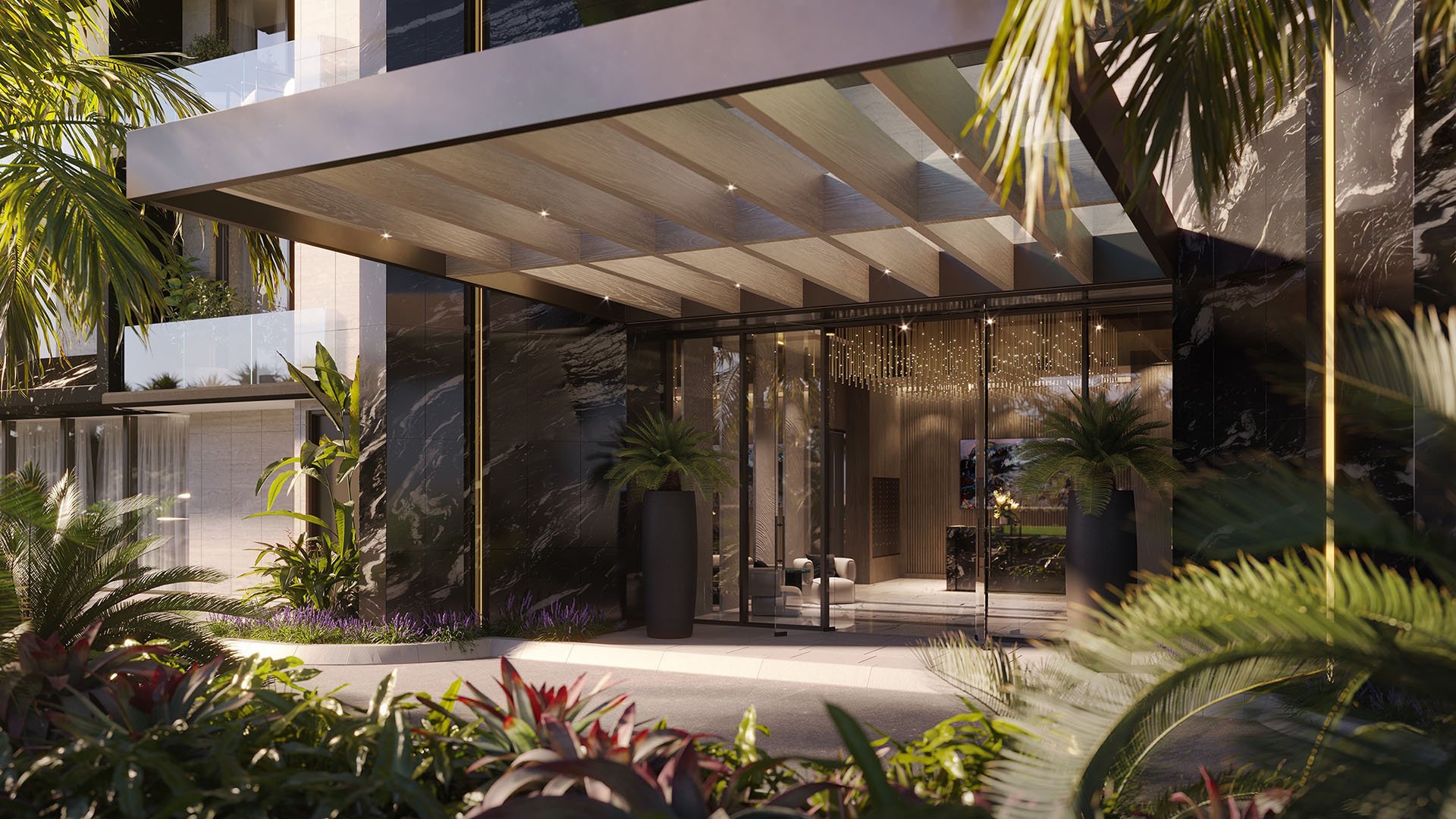
At the top of South Florida’s residential market, the conversation often moves beyond square footage, views, and finish palettes. The more revealing question is operational: how does ownership feel before one ever reaches the front door? For buyers considering The Links Estates at Fisher Island or Bay Harbor Towers, the distinction is not simply estate versus tower. It is a difference in arrival sequence, security posture, and the degree of guest discretion embedded into daily life.
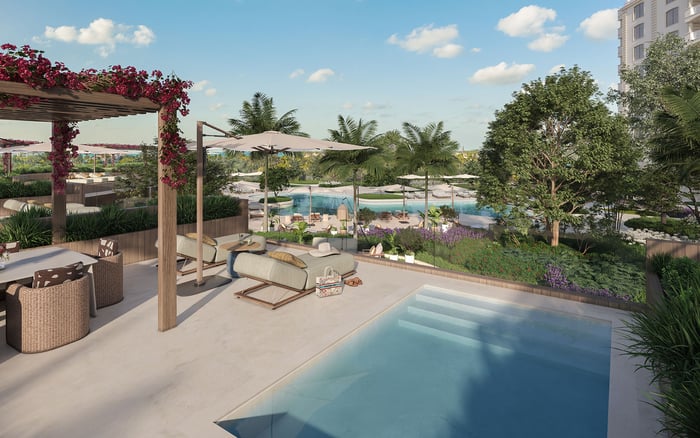
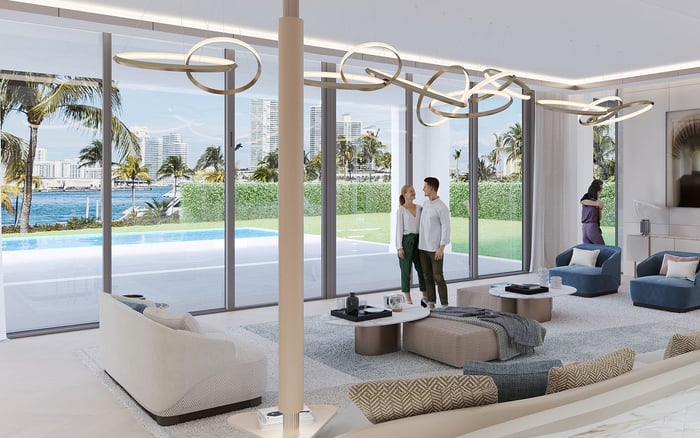
The Links Estates at Fisher Island is the private-island option in this comparison. Its ownership experience is defined by controlled separation from the mainland, with the island setting creating a threshold before the residence itself comes into focus. Bay Harbor Towers, by contrast, is the Bay Harbor Islands option: a luxury tower model that remains more connected to the surrounding urban fabric. Both speak to affluent buyers, but they do not solve the same lifestyle equation.
For a certain owner, insulation is the luxury. For another, convenience with polish is the more intelligent form of ease. That is the essential divide.
The Links Estates at Fisher Island begins before the home. Its arrival sequence is shaped by Fisher Island’s separation from the mainland, creating a sense of removal that is both physical and psychological. The experience is not merely about reaching a residence; it is about passing through a controlled environment that signals a different tempo from the city around it.
That procession matters. For owners who place a premium on distance from the public realm, the journey itself becomes part of the value proposition. Guests do not simply appear at the building. They enter a setting where access, movement, and context are more deliberately staged. The island condition becomes an organizing principle for ownership.
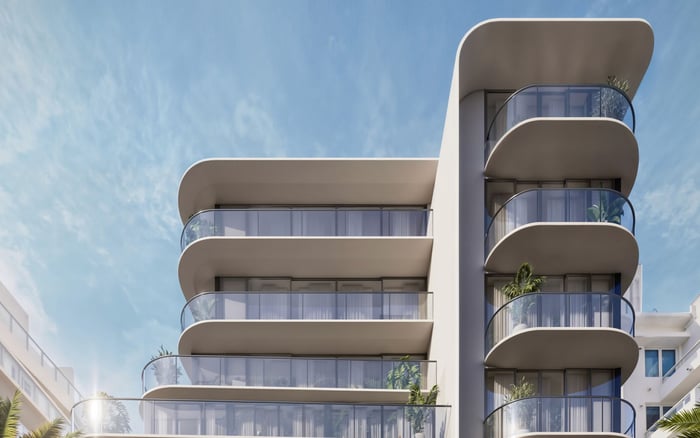
Bay Harbor Towers offers a different kind of arrival. Its experience is polished and secure, yet still legible within the surrounding city. This is not a private-island procession. It is a luxury tower arrival in a neighborhood-based environment, designed for buyers who want ease, recognition, and access without the symbolic withdrawal of an island estate.
In practical terms, Bay Harbor Towers favors an owner who moves frequently through the region, values convenience, and wants the residence to integrate with a broader urban pattern. The address carries prestige, but that prestige is subtler and more neighborhood-based than the seclusion-driven aura associated with Fisher Island.
Security at this level should not be reduced to devices or protocols. The more meaningful distinction is posture: how the residence sits in relation to the public realm, how many thresholds precede the home, and how visible the ownership experience feels to outsiders.
The Links Estates presents a layered posture because the island context itself adds a threshold before one reaches the home. That does not require speculation about specific systems. The point is experiential. The island setting creates a condition of separation, which in turn supports privacy and discretion as core ownership attributes.
This kind of posture appeals to buyers who prefer fewer incidental encounters and a stronger sense that the home is removed from ordinary circulation. It is not just a gated-community idea, although that phrase may appear in buyer shorthand. It is an island-based model of insulation, where the path to the residence reinforces the privacy of the residence.
Bay Harbor Towers occupies a more connected position. Its security is part of a polished tower experience, but the building remains readable within the city’s fabric. For many owners, that is precisely the advantage. They do not want to trade regional access for maximum separation. They want secure urban convenience, with the residence functioning as a refined base rather than a retreat from visibility altogether.
Guest discretion is one of the least discussed, and most important, dimensions of ultra-premium ownership. It concerns who can arrive, how arrival is perceived, and whether a visit feels integrated into a private world or a visible neighborhood rhythm.
At The Links Estates at Fisher Island, guest discretion is shaped by greater separation. The setting supports a more controlled sense of approach, which can be attractive for owners whose social, professional, or family lives benefit from privacy. The invitation begins before the home, and that can change the tone of every visit.
At Bay Harbor Towers, guest movement occurs in a more city-connected environment. The experience can still be secure and refined, but it is less defined by separation from the public realm. This suits buyers who want guests to arrive with relative ease, who value a residential setting embedded in neighborhood life, and who see discretion as compatible with connectivity.
Neither model is inherently superior. They express different definitions of comfort. One favors the quiet choreography of limited access. The other favors polished arrival within a recognizable urban context.
The Links Estates is positioned for buyers who prioritize distance from the public realm. This may include owners seeking an estate-like ownership experience, families desiring a more insulated residential rhythm, or principals whose daily lives make discretion a standing requirement rather than an occasional preference. In that context, Fisher Island is not just a location marker. It signals a preference for controlled thresholds and deliberate removal from the mainland’s pace.
Bay Harbor Towers serves a different buyer archetype. It is for those who value luxury and privacy, but not at the expense of regional convenience. Its tower format and Bay Harbor Islands setting make sense for owners who want connection to the surrounding urban fabric while still residing in an elevated, secure environment. For these buyers, Bay Harbor often represents a more accessible form of prestige, quieter than the highest-profile corridors yet still meaningfully connected.
This is why the two properties should not be treated as interchangeable luxury-condo demand. The decision is less about comparing amenities and more about identifying the preferred operating system for daily life. The Links Estates centers ownership around insulation. Bay Harbor Towers centers ownership around secure convenience.
Prestige in South Florida is not monolithic. Some addresses project status through rarity and separation. Others project it through composure, design intent, and neighborhood confidence. The Links Estates belongs to the first category. Its private-island setting supports a prestige language built around removal, privacy, and the sense that access has been intentionally narrowed.
Bay Harbor Towers belongs to the second. Its prestige is subtler, more connected to its place within Bay Harbor Islands than to a complete withdrawal from the city. It is an exclusive-area proposition, but not one that depends on the same degree of seclusion. For the right owner, that balance is more livable. It allows the residence to function as part of a regional routine rather than as a destination apart from it.
The most sophisticated buyers recognize that prestige must match behavior. A home that feels impressive but interrupts daily movement can become performative. A home that is convenient but too exposed can feel insufficiently protective. The best choice is the one whose thresholds, arrivals, and guest experience align with how the owner actually lives.
Choose The Links Estates at Fisher Island if the priority is separation before arrival, a layered sense of threshold, and a residential experience defined by privacy. Its value is most legible to buyers who view distance from the public realm as a central feature of ownership.
Choose Bay Harbor Towers if the priority is a polished and secure tower experience with stronger connection to the surrounding city. Its value is clearest for buyers who want luxury, discretion, and convenience to coexist without the fuller separation of a private-island estate.
In the end, this is not a contest between more and less luxury. It is a choice between two operating philosophies. One begins with removal. The other begins with access. Both can be elegant, but only one will feel natural to the way a particular owner moves through South Florida.
Is The Links Estates at Fisher Island the more private option? Yes. It is framed around private-island separation and controlled distance from the mainland.
Is Bay Harbor Towers a private-island property? No. Bay Harbor Towers is the Bay Harbor Islands option and follows a luxury tower ownership model.
Which property has the more layered arrival sequence? The Links Estates has the more layered arrival because the island setting creates an added threshold before the residence.
Which option is better for regional convenience? Bay Harbor Towers is positioned for buyers who value convenience and regional access alongside luxury.
Does Bay Harbor Towers still offer a secure arrival experience? Yes. Its arrival is characterized as polished and secure while remaining connected to the surrounding city.
Which property better suits buyers seeking distance from the public realm? The Links Estates is the clearer fit for buyers who prioritize separation and insulation.
Is the prestige different between the two properties? Yes. The Links Estates leans into seclusion-driven prestige, while Bay Harbor Towers is more neighborhood-based.
How does guest discretion differ? The Links Estates supports greater separation, while Bay Harbor Towers operates within a more visible urban environment.
Are these properties interchangeable for luxury buyers? No. They serve different buyer archetypes and reflect different ownership priorities.
What is the simplest way to decide between them? Choose The Links Estates for insulation and controlled thresholds; choose Bay Harbor Towers for secure urban convenience.
If you'd like a private walkthrough and a curated shortlist, connect with MILLION.
If branded residences are on your mind — as a home or as an allocation — we would be glad to share what we are seeing, privately.
Begin a quiet conversation