A disciplined framework for assessing developer history, construction progress, contract protections and residual delivery risk at Hillsboro Beach’s newest luxury residences.
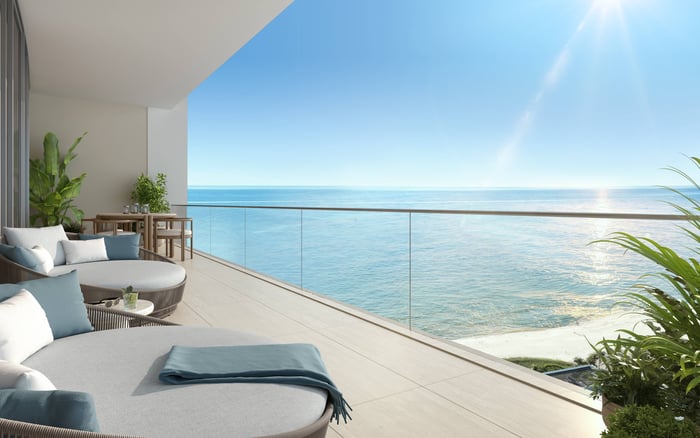
At the rarefied end of South Florida real estate, certainty may be the most consequential amenity. Buyers considering Rosewood Residences Hillsboro Beach are evaluating a 10-story, 92-residence condominium at 1180 Hillsboro Mile, with frontage on both the Atlantic Ocean and Intracoastal Waterway along Millionaire’s Mile. Related Group and Dezer Development are developing the property, while Rosewood Hotels & Resorts is part of its branded operating proposition.
That combination carries considerable pedigree, but a sophisticated acquisition case should rest on documents and comparable performance-not reputation alone. The strongest buyer’s guides separate three questions: who is obligated to deliver, how far construction has progressed and what remedies remain if the schedule or finished result changes.
The project broke ground in December 2024 and topped out in early 2026. Completion has been targeted for early 2027, while penthouse closings have been discussed for late 2026. The contract-not a marketing timeline-should govern every buyer’s planning.
Topping out materially reduces construction-stage uncertainty compared with an unstarted or excavation-stage property. It does not establish that interiors, building systems, landscaping or amenities are complete. Nor does it replace the approvals required for occupancy or create an enforceable closing date. Residual exposure includes completion delays, specification changes, shifting closing dates, market conditions at delivery and the quality of service after opening.
Request every project completed by each responsible developer during the preceding decade. For each, compare the originally promised delivery window with actual completion, then examine warranty response, management turnover, reserve funding, special assessments and whether the delivered property matched its stated specifications.
Geographic and technical relevance matter. Related Group’s regional record includes Auberge Beach Residences & Spa Fort Lauderdale and Casamar, both useful reference points for Broward oceanfront execution. Dezer Development’s cited luxury record includes Armani Casa Sunny Isles Beach and Porsche Design Tower. These properties are not interchangeable, but they give counsel and advisers concrete buildings against which to assess timing, finish quality and post-closing performance.
Rosewood’s more than 1,200 feet of combined ocean and Intracoastal frontage adds meaningful site and amenity complexity. The most probative comparison is therefore another high-specification coastal condominium, not simply a tower with a familiar developer or hospitality name.
A branded presentation can blur the distinctions among the developer, seller, construction entity and hospitality operator. Buyers should identify the precise legal seller and development entities named in the purchase agreement, then determine which party is responsible for deposits, construction, delivery and continuing operations. Never assume the consumer-facing developer or hotel brand bears every obligation.
For any pre-construction acquisition, confirm whether construction financing has closed, identify the lender and understand the capital stack. Groundbreaking alone does not prove full funding. Sales absorption, deposit structure and any conditions attached to loan funding also warrant review. Limited completion history, unverified financing or weak absorption should prompt enhanced diligence and stronger contractual protection.
Florida condominium counsel should review the agreement before any deposit becomes non-refundable. The analysis should cover the escrow arrangement, circumstances permitting deposit release, the outside completion date, extension rights, cancellation remedies and the developer’s authority to alter plans, finishes or specifications.
The practical question is not whether delay language exists, but how broadly it operates. Buyers should understand which events permit extensions, whether notice is required, when termination becomes available and how quickly deposits must be returned. If a residence is being coordinated with a sale, relocation or seasonal occupancy, those timing provisions have direct financial consequences.
Litigation and regulatory searches can also reveal past disputes involving delays, defects, deposit handling or unmet specifications. A dispute alone does not determine the investment case, but patterns, outcomes and the developer’s response can illuminate its operating culture.
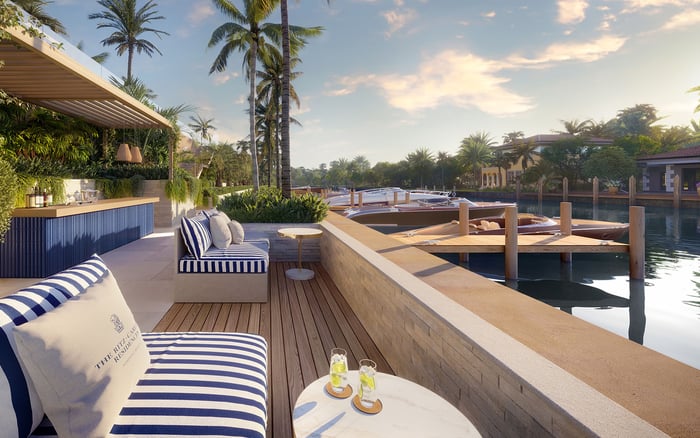
Waterfront construction introduces exposure that should be assessed independently of brand value. Dual-frontage amenities, marine-edge work and extensive outdoor areas can complicate final delivery even after the structure has reached full height.
Branded residences add another layer. Buyers should distinguish the brand’s operating role from the seller’s construction obligations and review how service standards, management arrangements and owner costs are documented. A prestigious flag may strengthen the lifestyle proposition, but it does not replace contractual accountability.
Before proceeding, maintain a current file containing the executed contract and amendments, deposit confirmations, financing disclosures available to the buyer, construction updates and counsel’s summary of deadlines and remedies. As closing approaches, add inspection findings, specification comparisons and the latest completion status of common areas and amenities.
This discipline protects more than the initial purchase. Delivery quality, warranty service, reserves and management transition can shape carrying costs and resale perception long after keys are released. South Florida has experienced waterfront projects left incomplete after developer failure, making documentary rigor appropriate even when visible construction progress is substantial.
Does topping out mean Rosewood Residences Hillsboro Beach is complete? No. It marks completion of the vertical structure, not finished residences, amenities, occupancy approvals or a guaranteed closing date.
Who is developing the property? Related Group and Dezer Development are the developers, with Rosewood Hotels & Resorts participating in the branded operating proposition.
When did construction begin? The development broke ground in December 2024 and topped out in early 2026.
What completion timing should a buyer use? Early 2027 has been targeted, with some penthouse closings discussed for late 2026, but the executed contract should control planning.
Why review comparable completed buildings? Comparable projects reveal actual timing, finish quality, warranty performance and operating outcomes more clearly than brand recognition alone.
What financing questions matter most? Confirm whether the construction loan has closed, identify the lender and determine how deposits, equity and debt fit within the capital stack.
Which deposit terms require legal review? Focus on escrow custody, release triggers, refund rights and the point at which each deposit becomes non-refundable.
What contract dates deserve special attention? Review the outside completion date, permitted extensions, required notices, cancellation rights and anticipated closing window.
Can the developer change plans or finishes? The purchase agreement may grant modification rights, so counsel should assess their scope and the buyer’s remedies for material changes.
What risks remain after construction tops out? Delays, specification revisions, uncertain closing timing, post-opening service quality and market conditions at delivery can remain.
When you're ready to tour or underwrite the options, connect with MILLION.
If branded residences are on your mind — as a home or as an allocation — we would be glad to share what we are seeing, privately.
Begin a quiet conversation