A generous coastal terrace deserves a financial review as considered as its floor plan. Understanding reserve schedules, structural inspections and maintenance responsibilities helps buyers evaluate the ownership commitment beyond the view.
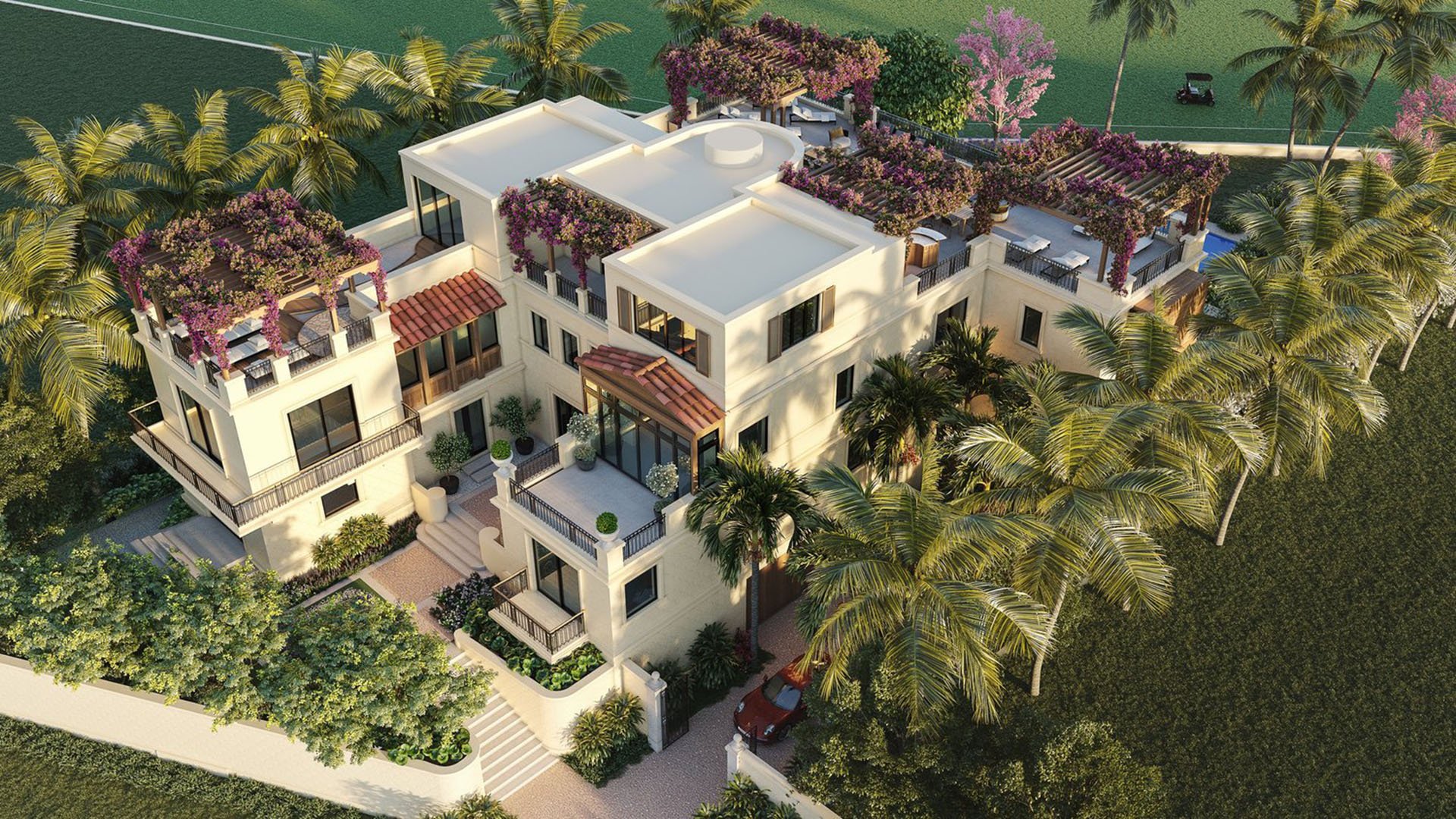
A large coastal terrace is an invitation to live differently: breakfast outside, an open-air dining room, a private place to pause above the shoreline. Its appeal is immediate. Its full carrying cost calls for a closer reading of the building behind it.
The financial commitment can extend beyond private outdoor upkeep to association funding for structural repairs, waterproofing, exterior painting, windows and exterior doors. The central question is not simply what the terrace costs to maintain. It is which obligations belong to the owner, which belong to the association, and how future work is funded.
Evaluate a terrace as both a living space and part of a building-wide financial commitment. That distinction matters more than any unsupported rule of thumb about annual cost per outdoor square foot.
When considering a residence at 57 Ocean Miami Beach, for example, a buyer can appreciate the setting while separately requesting the documents that establish maintenance responsibilities and association funding. Neither a project name nor an attractive floor plan substitutes for that review.
Start by asking how the terrace and its related components are classified in the governing documents. Have counsel identify responsibility for maintenance, repair and replacement. Do not assume that exclusive use means exclusive financial responsibility-or the reverse.
Then request the current budget, reserve study, relevant inspection findings and documentation of approved or proposed work. The objective is to connect three things: the physical component, the party responsible for it and the money intended to address it.
This review does not presume that a particular building has a problem. It distinguishes the price of acquiring outdoor space from the obligations of owning it.
Florida’s Structural Integrity Reserve Study, commonly called SIRS, addresses future major repairs and replacement of common-area components through a framework based on visual inspection. Its scope extends well beyond the terrace itself.
Covered components include structural systems, waterproofing and exterior painting, roofs, windows, exterior doors, plumbing, electrical systems and fire-protection systems. For a terrace buyer, the key point is that relevant costs may fall within broader association planning rather than a line item labeled outdoor maintenance.
The study must identify the inspected components, estimate their remaining useful lives and estimate replacement or deferred-maintenance costs. It must also establish a funding schedule. Florida’s 2025 legislation requires a baseline funding plan designed to keep the reserve cash balance above zero.
Read those elements together. An estimated future repair cost is not money already available, and a funding schedule is not a comprehensive assessment of an individual terrace’s condition. Ask how the current budget relates to the schedule and which assumptions underpin the planned contributions.
A milestone inspection and a SIRS answer different questions. The first evaluates structural condition. The second addresses funding for future major repairs and replacements. Neither substitutes for the other.
Qualifying condominium and cooperative buildings at least three habitable stories tall generally require a milestone inspection at 30 years of age and every 10 years thereafter. Local enforcement authorities can require the first inspection at 25 years when local circumstances, including environmental conditions, justify an earlier review.
The word habitable matters: the 2025 legislation changed the height criterion from three stories to three habitable stories. Buyers should verify the building’s precise classification rather than infer applicability from its appearance.
The initial milestone phase is a visual assessment by an architect or engineer. Do not treat that building-level evaluation as a comprehensive terrace-condition assessment. If a particular outdoor area raises questions, ask an appropriately qualified professional what additional evaluation is warranted.
A buyer comparing Arte Surfside with other residences should keep financial questions separate from architectural preference. Ask what building-envelope work is scheduled, how it is funded and whether the documents identify obligations relevant to the residence under consideration.
Apply the same approach to a search that includes Jade Signature Sunny Isles Beach. Compare inspection findings with the reserve schedule, rather than simply comparing monthly association figures. A useful comparison explains what each payment supports and which future obligations remain to be clarified.
These are due-diligence questions, not statements about either property’s condition or finances. The purpose is to compare residences on documented responsibilities, rather than let the most compelling terrace dominate the decision.
Build an ownership worksheet with separate categories for owner-responsible upkeep, association charges and documented additional funding obligations. Ask the association and your advisers to explain how reserve contributions appear within the budget so the same obligation is not counted twice.
For each planned project, request its scope, estimated timing, funding approach and the basis for any allocation to the residence. Distinguish approved obligations from proposals and unresolved questions. Discussion of possible work should not automatically become an assumed assessment in your calculations.
For a search extending to Auberge Beach Residences & Spa Fort Lauderdale, carry the same worksheet forward. Consistent questions are more useful than assigning a generic coastal maintenance premium to every property.
Do not treat terrace size alone as a reliable cost predictor. A defensible budget requires the applicable documents, component estimates and responsibility allocations. Resolve questions involving drainage, planters, storm preparation or insurance through property-specific documentation and qualified advice, not generalized assumptions about coastal living.
Florida’s inspection and reserve requirements have changed. The 2025 legislation extended the required SIRS completion deadline from December 31, 2024, to December 31, 2025. That is a historical change, not an upcoming deadline on which a present-day buyer should rely.
Request current compliance records and the latest applicable studies, schedules and updates rather than accepting an older resale package as conclusive. Ask whether subsequent findings or board decisions change the financial picture presented in the original documents.
The objective is not to diminish the pleasure of a generous terrace. It is to purchase that pleasure with a clear understanding of responsibility, condition and funding. The most reassuring ownership picture is one in which the outdoor room and the association’s financial planning have both received careful attention.
For a considered approach to South Florida coastal ownership, explore MILLION.
If branded residences are on your mind — as a home or as an allocation — we would be glad to share what we are seeing, privately.
Begin a quiet conversationAssociation funding can cover structural repairs, waterproofing, exterior painting, windows and exterior doors. Review the governing documents to understand the residence’s responsibilities.
Terrace size alone does not establish a reliable annual carrying cost. Build a budget from property-specific responsibilities, estimates and funding documents.
A SIRS addresses future major repairs and replacement of common-area components through a framework based on visual inspection. It includes component estimates and a funding schedule.
Structural systems, waterproofing, exterior painting, windows and exterior doors are particularly relevant to the review. The study also covers other building systems.
No. A milestone inspection evaluates structural condition, while a reserve study addresses funding for future major repairs and replacements.
Qualifying condominium and cooperative buildings at least three habitable stories tall generally require inspection at 30 years and every 10 years thereafter. Local authorities can require the first inspection at 25 years when circumstances justify it.
No. Its initial phase is a building-level visual assessment by an architect or engineer, not a comprehensive terrace-condition assessment.
Florida’s 2025 legislation requires a baseline funding plan designed to keep the reserve cash balance above zero. Buyers should examine that schedule alongside current budget information.
No. It reflects a historical legislative extension, so buyers should verify current compliance rather than rely on that date as an upcoming deadline.
Request governing documents, the current budget, applicable reserve studies, inspection findings and documentation of approved or proposed work. Review them together to connect responsibility, condition and funding.