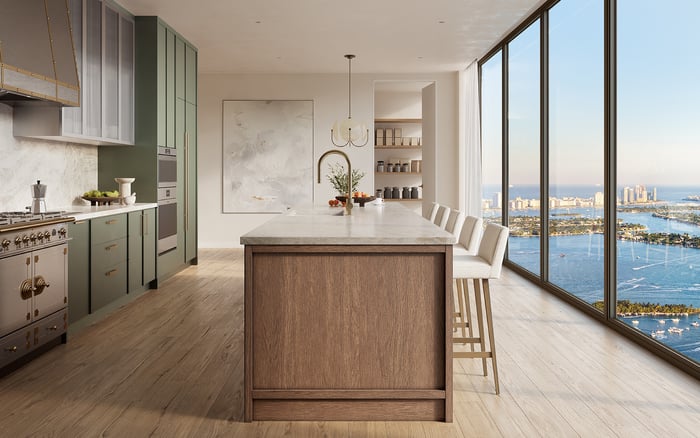
A practical 2026 framework for evaluating whether an Edgewater residence can support the storage, lighting, climate monitoring and operating plan required for a serious art collection.
An Edgewater buyer planning for a serious art collection should evaluate more than the appearance of a residence during a showing. The review should address environmental performance, daylight, artificial lighting, storage, building systems and the procedures that remain in place when the home is vacant.
This 2026 framework applies to completed residences and planned build-outs, including evaluations of Aria Reserve Miami and other Edgewater options. Because requirements vary by medium, condition, framing and display method, the collection itself should guide the technical brief.
Ask for available temperature and humidity records rather than relying on a thermostat reading taken during a visit. Review how the residence performs across different seasons and during periods of limited occupancy. Any target conditions and acceptable variations should be established by qualified advisers familiar with the specific works.
The mechanical review should identify HVAC zones, humidity monitoring, sensor locations, maintenance responsibilities and the division between in-residence equipment and shared building infrastructure. A buyer considering EDITION Edgewater should also ask how alerts, service access and interruptions are handled before planning a collection installation.
A lighting review should consider both daylight and artificial illumination at the intended artwork locations. Request fixture and control documentation, then have a specialist assess color quality, dimming, heat, ultraviolet output, flicker and compatibility with sensitive works.
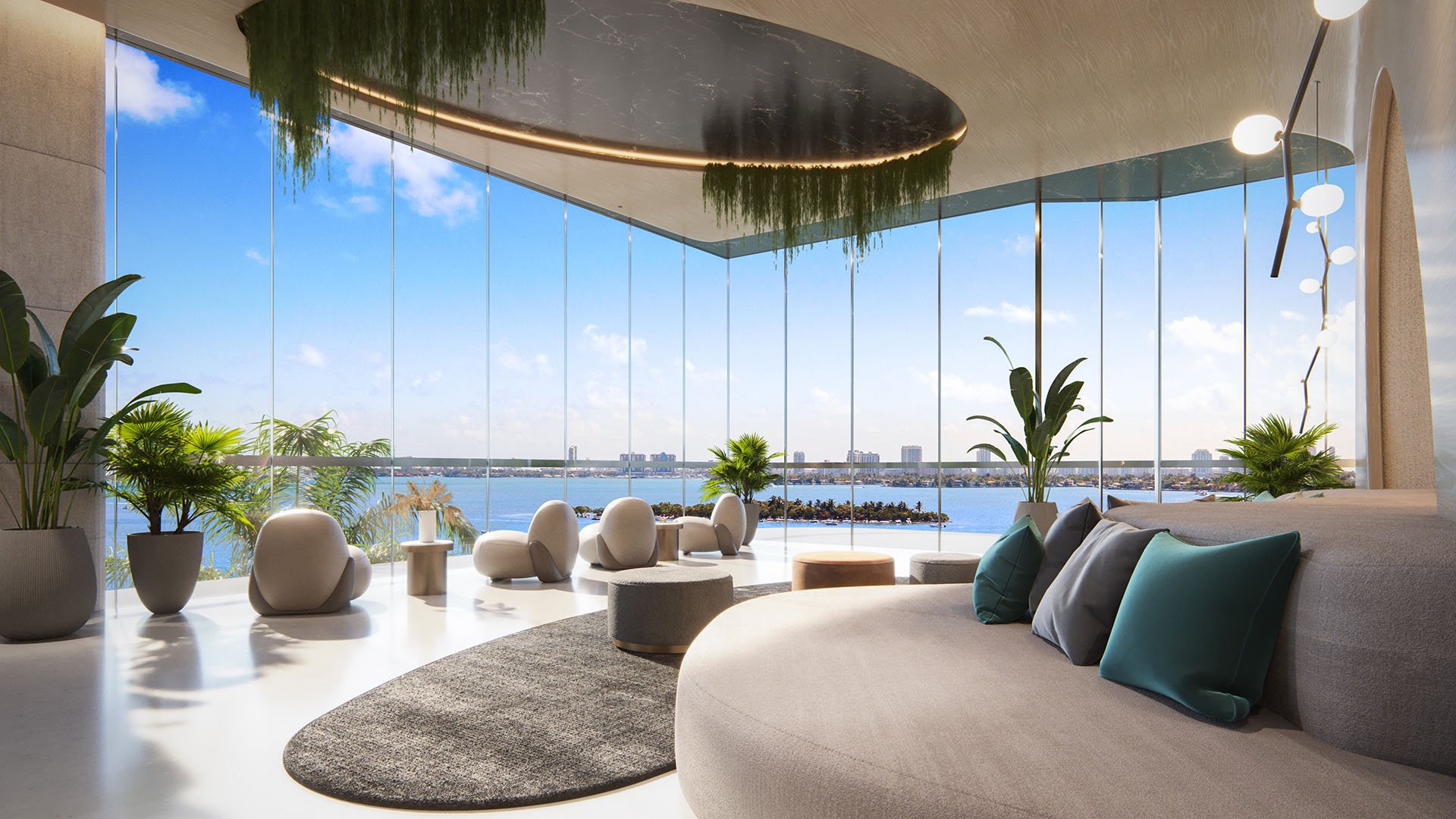
Controls can include programmed scenes, timers, occupancy-based operation and adjustable shading. The display plan should account for changing daylight by room and time of day. When reviewing Villa Miami, or another Edgewater residence with extensive glazing, map proposed artwork walls before finalizing lighting or window treatments.
Framing and glazing should also be reviewed work by work. A conservator can advise whether a particular piece needs specialized glazing, reduced exposure, rotation or an alternative display location.
Treat a proposed storage room as collection infrastructure rather than an ordinary closet. Confirm that its environmental conditions can be monitored and maintained, that works can be handled safely and that the layout provides appropriate clearance and circulation.
Review drawings and inspect the areas above, behind and beside the room. Identify plumbing, condensate routes, service chases, exterior walls and other building elements that may affect the location. Ask about prior moisture events, detection systems, access procedures and the response plan for a leak or equipment problem.
At The Cove Residences Edgewater or elsewhere in Edgewater, assign the storage location only after the relevant plans and building conditions have been reviewed. Convenience should not replace technical due diligence.
Begin with an inventory organized by medium, dimensions, condition, framing, display method and sensitivity. Use that inventory to identify which works require the most careful environmental, lighting, handling or storage provisions.
Next, coordinate the appropriate professional reviews. An HVAC specialist can examine zoning, monitoring and service records; a lighting specialist can evaluate proposed display conditions and controls; and a conservator and fine-art insurer can address collection-specific risks and emergency priorities.
Then test the operating plan. Determine who receives alerts, who can enter the residence when it is vacant, how service is authorized and what procedures apply during an interruption. Confirm whether building rules affect proposed shading, electrical work, monitoring devices or supplemental equipment before committing to a build-out.
Request available environmental and maintenance records. Obtain lighting schedules and control details. Review architectural and mechanical drawings around proposed display and storage areas. Confirm access for inspection, installation, maintenance and emergency response.
The final plan should connect the collection inventory to the residence, the building and the people responsible for ongoing oversight. Any environmental settings, exposure limits or storage specifications should be approved for the actual works rather than assumed from a general residential guideline.
Why should a buyer request environmental records? Records can help advisers evaluate how the residence performs over time, including when it is vacant.
Can a thermostat reading establish that a home is suitable for art? No. It shows only the conditions at that moment and does not replace historical records or a systems review.
Who should define temperature and humidity targets? A qualified conservator or other collection specialist should establish targets based on the works, their condition and their display or storage needs.
What should an HVAC review cover? It should examine zoning, monitoring, sensor placement, maintenance, service access and the relationship between private and shared building systems.
What should a buyer ask for in a lighting review? Request an assessment of daylight, fixtures, controls, dimming, color quality, heat, ultraviolet output and the needs of individual works.
Should artwork locations be planned before lighting is finalized? Yes. Proposed display walls and changing daylight conditions should inform fixture placement, controls and shading decisions.
Is an ordinary condominium closet automatically suitable for art storage? No. Its environment, layout, surrounding infrastructure, access and moisture risks require review.
Which nearby building elements deserve attention around storage? Review plumbing, condensate routes, service chases, exterior walls and any other systems identified in the plans or inspection.
What should happen when the residence is vacant? The operating plan should identify who monitors alerts, who has authorized access and how maintenance or emergency service is arranged.
Which professionals may be needed before purchase or build-out? Depending on the collection, the team may include a conservator, fine-art insurer, HVAC specialist and lighting specialist.
To compare the best-fit options with clarity, connect with MILLION.
If branded residences are on your mind — as a home or as an allocation — we would be glad to share what we are seeing, privately.
Begin a quiet conversation