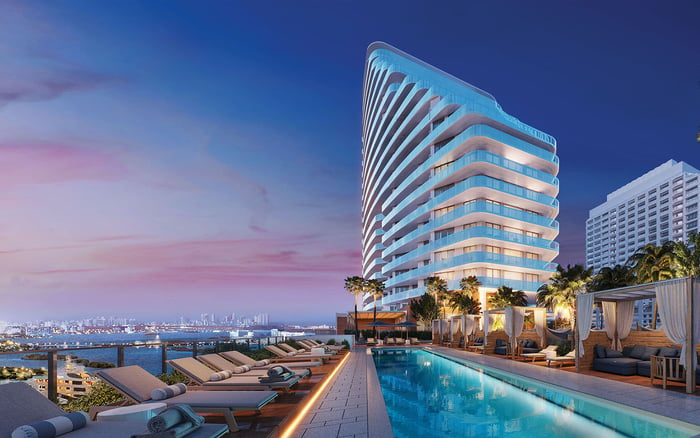
A Miami water view and direct waterfront ownership represent different sources of value. Understanding the distinction requires separating visual quality from frontage, documented access, usable dockage, and the obligations that accompany the shoreline.
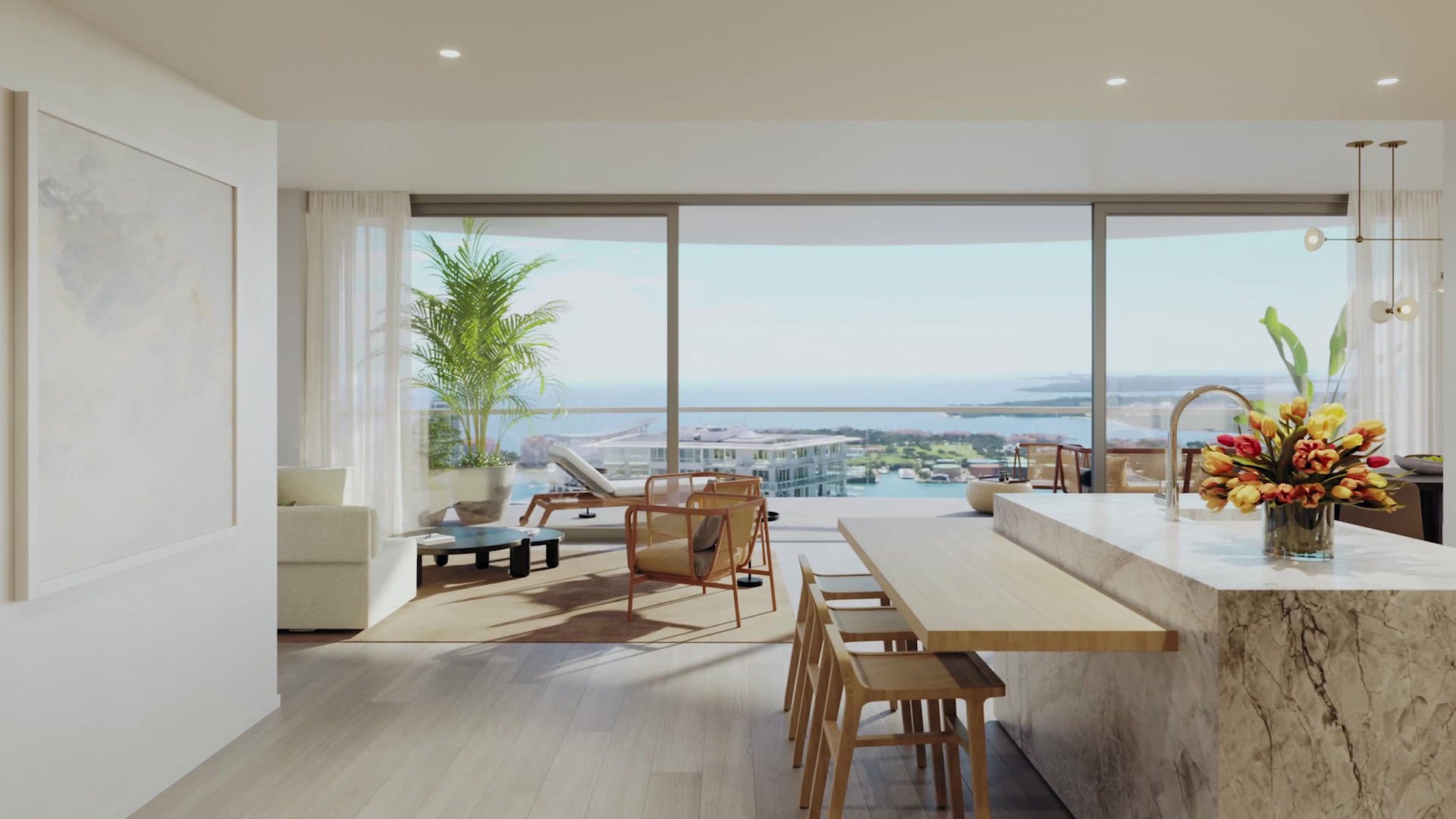
In Miami, the distinction between looking at the water and owning along it can disappear in a listing description. It should never disappear in a valuation. A water view describes visual exposure. Direct waterfront ownership concerns the land, frontage, and access rights conveyed with a property. Neither description alone establishes private dockage.
An upper-floor residence may command value for an expansive bay outlook without providing boating access. A canal-front home may offer usable frontage and navigable water with a more contained view. These are distinct combinations of benefits, not interchangeable versions of the same asset. Direct frontage does not automatically make a property more valuable than every water-view alternative.
For a buyer, the useful question is not simply whether a residence is waterfront. It is which visual, physical, and documented benefits the purchase includes-and how comparable closed sales price them.
A compelling outlook deserves its own analysis. View width, orientation, privacy, and the distinction between open bay and canal exposure all matter. For condominiums, floor elevation, balcony dimensions, and finish level also warrant evaluation separately from water access.
The discipline is to describe the experience precisely. “Upper-floor bay view” communicates something different from “canal frontage with no fixed bridges.” A broad outlook is not evidence of shoreline ownership, just as proximity to a dock is not proof of a right to use it.
For a buyer considering Una Residences Brickell, valuation questions should remain residence-specific: what is visible, from which rooms and outdoor spaces, and how does that exposure compare with closed sales? A project name cannot substitute for that analysis.
The same approach applies when considering The Perigon Miami Beach. In Miami Beach, buyers should distinguish a particular residence’s visual appeal from any separately documented water-access rights, rather than assume the two come together.
Direct waterfront ownership introduces a second set of questions. How much usable shoreline is conveyed? What is the dock configuration? Does the water provide practical access to the bay or Intracoastal? Frontage should be evaluated in usable linear feet, not inferred from the word “waterfront.”
Canal depth and width, distance to open water, and bridge restrictions affect boating utility. A canal-front property with direct Intracoastal access and no fixed bridges belongs in a different comparison set from a home on a narrow canal farther from open water. Both may be waterfront, but their practical benefits differ.
For a vessel owner, bridge clearance requires particular care. Clearance should be checked at high tide against the intended vessel’s air draft-the height it needs above the waterline. The question is whether the route works for that vessel, not whether boats appear in listing photographs.
When evaluating a residence at Onda Bay Harbor, buyers should keep boating questions separate from the residential comparison and verify any proposed access independently. A water-oriented search is no substitute for vessel-specific diligence.
A view is observable. Dock rights require documentary verification. Applicable permits, easements, marina agreements, association restrictions, and limits on vessel size or lifts can determine whether a buyer’s intended boating use is available.
The distinction is especially important when evaluating a condominium purchase alongside a boating lifestyle. Buyers should establish exactly what rights accompany the residence and which restrictions apply, rather than assign value to an assumed private slip.
A residence under consideration at Vita at Grove Isle calls for the same separation: assess the home and its outlook, then verify any waterfront or docking rights through the relevant documents. One appealing feature should not stand in for another.
The valuation should recognize the specific rights conveyed, not price an unverified expectation as an established property benefit.
Waterfront utility comes with physical considerations that a view alone does not capture. Seawall condition and responsibility for repairs can affect both property value and ownership costs. Those questions belong beside frontage and dock configuration in the purchase review, not after them.
For single-family homes, the land and its improvements must be considered together. Lot orientation, privacy, outdoor space, dockage, and seawalls all form part of the comparison. A frontage measurement cannot capture those differences on its own.
Coastal valuation also considers flood zones and storm-resilience characteristics. These factors do not erase the appeal of a waterfront setting. They help define the property being valued and the obligations attached to owning it.
An attractive shoreline is only the beginning of the analysis. The condition of its improvements and the allocation of repair responsibility can materially change what ownership entails.
There is no universal Miami waterfront premium. Neighborhood, view quality, floor level, and direct access can change the appropriate adjustment. Applying a generic percentage risks combining attributes that buyers value differently.
Comparable closed sales should isolate differences in view, frontage, access, dockage, condition, floor height, and lot characteristics within the relevant submarket. For a condominium, that means recognizing the contribution of elevation and exposure without confusing it with private shoreline control. For a house, it means comparing land and waterfront improvements as well as the residence itself.
Consider a panoramic upper-floor apartment and a canal-front house with usable dockage. The first may offer an exceptional visual experience; the second may offer practical boating utility. Neither automatically establishes the other’s value. Their respective comparison sets must explain what buyers paid for the benefits each provides.
Before agreeing on value, ask for a precise property description: the view, the usable frontage, the navigable route, the documented docking rights, and responsibility for waterfront improvements. Then test that description against relevant closed sales.
That approach preserves both the pleasure and the precision of a waterfront purchase. A beautiful outlook can be worth paying for. So can direct access that genuinely serves an owner’s vessel and lifestyle. The essential distinction is knowing which benefit is included, which requires verification, and which remains an assumption.
For a considered approach to Miami waterfront opportunities, explore MILLION.
If branded residences are on your mind — as a home or as an allocation — we would be glad to share what we are seeing, privately.
Begin a quiet conversationA water view describes visual exposure. Direct waterfront ownership concerns land, frontage, and access rights, but does not by itself establish private dockage.
Not necessarily. Docking rights require separate verification through applicable documents, permits, agreements, and association restrictions.
No. Value depends on the property, neighborhood, view quality, access, condition, and relevant comparable closed sales.
View width, orientation, privacy, and whether the outlook faces open bay or a canal are important factors. Condominium valuation also considers floor elevation and balcony dimensions.
Frontage should be evaluated in usable linear feet alongside dock configuration and boating access. A waterfront listing label does not establish its usefulness.
Canal depth and width influence boating utility, as do distance to open water and bridge restrictions. These differences also affect the selection of comparable properties.
Clearance should be checked at high tide against the intended vessel’s air draft, which is the height it needs above the waterline.
Applicable permits, easements, marina agreements, and association restrictions require review. Limits on vessel size or lifts can also affect the available use.
Seawall condition and responsibility for repairs can affect property value and ownership costs. Both should be evaluated alongside the property's waterfront benefits.
No universal premium applies. Comparable closed sales should account for differences in view, frontage, access, dockage, condition, floor height, and lot characteristics.