A discerning comparison of two oceanfront branded residences, focusing on the practical differences between design-led ownership and hospitality-led service.
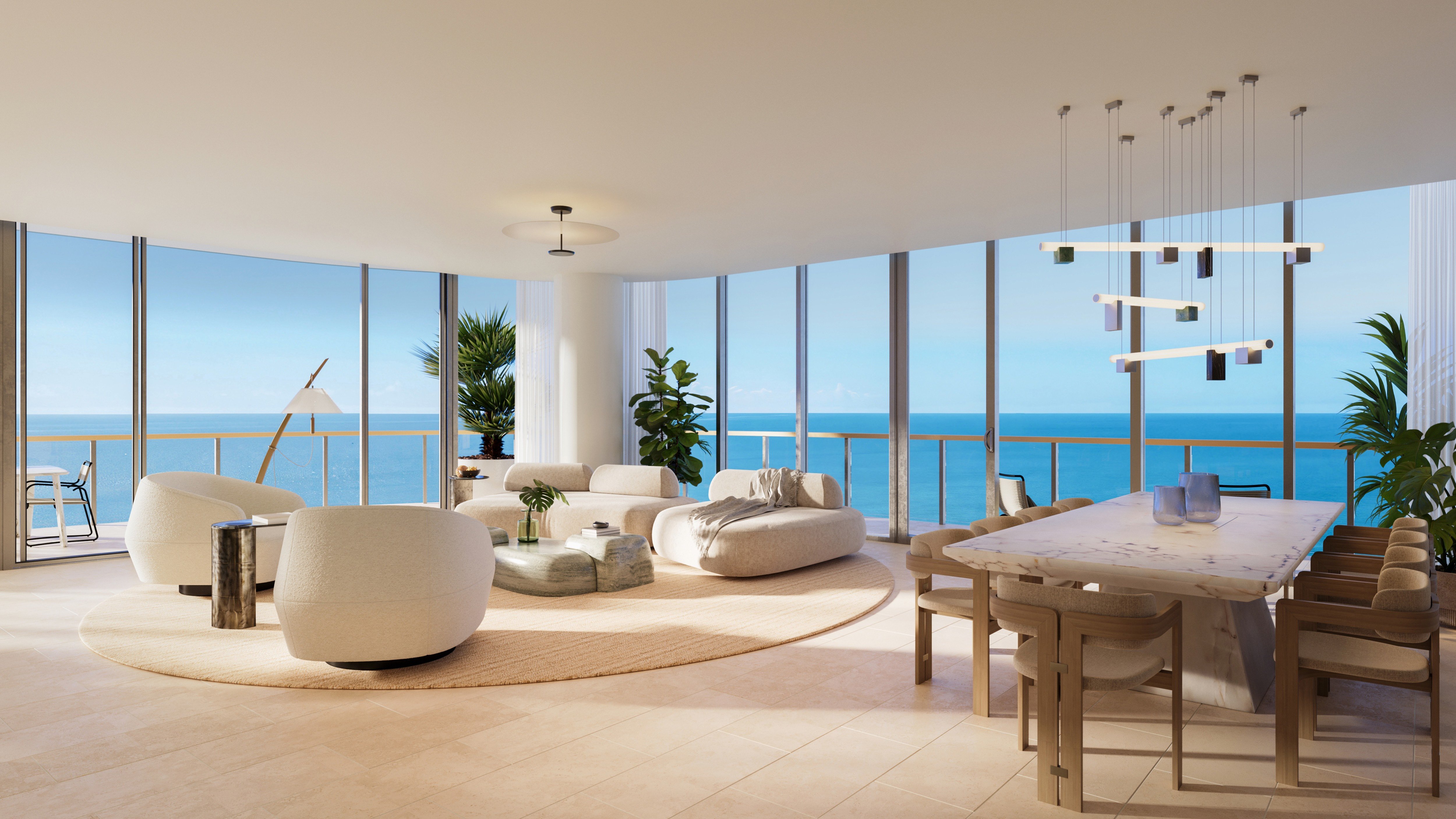
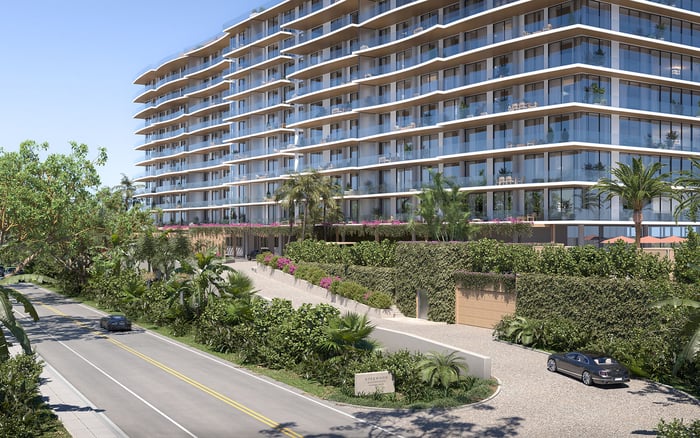
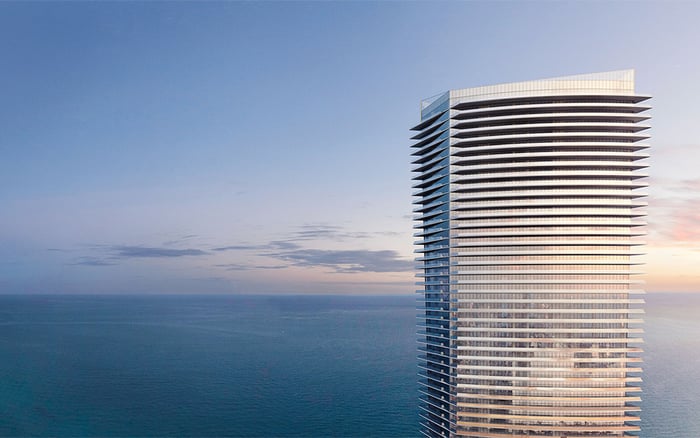
Pompano Beach presents luxury buyers with two distinctly framed visions of branded residential ownership. Armani Casa Residences Pompano Beach centers on the Armani/Casa design identity, expressed through curated interiors and a fashion-adjacent sensibility. Waldorf Astoria Residences Pompano Beach is associated with the Waldorf Astoria luxury hospitality brand and places greater emphasis on service delivery.
The essential distinction, then, is not simply aesthetic. Armani Casa leads with design and a distinctly residential atmosphere; Waldorf Astoria leads with hospitality and a hotel-influenced style of living. Both are oceanfront branded residences, but each asks buyers to assign a different value to identity, staffing, privacy, and recurring operating costs.
Among buyer’s guides, this comparison is best framed as an ownership decision rather than an amenities contest. The relevant question is which model will remain desirable, governable, and financially sustainable over a long holding period.
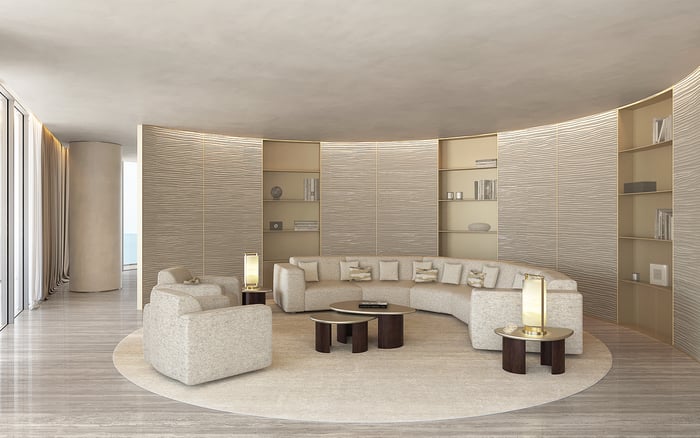
Armani Casa is the more design-led choice. Its appeal rests on aesthetic consistency, curated common areas, and the prospect of living within a coherent visual language. Buyers drawn to that proposition should consider whether the Armani/Casa aesthetic will still feel personal and relevant after ten years-not merely whether it makes an immediate impression.
The project also extends Armani/Casa’s South Florida residential presence beyond Armani Casa Sunny Isles Beach. That continuity may help buyers understand the broader design vocabulary, but each condominium must still be evaluated through its own documents, operating structure, and physical specifications.
Waldorf Astoria is likely to suit owners who expect structured hospitality services to shape daily life. Its recognition and service-first identity are rooted in luxury hospitality. Buyers are effectively placing greater weight on the quality, consistency, and availability of service over time.
Neither proposition is inherently superior. A design-oriented buyer may prefer fewer hotel-like layers between the residence and daily routines. A hospitality-oriented buyer may regard trained service and operational structure as essential to the purchase.
Brand language should never substitute for a service schedule. At Waldorf Astoria, buyers should distinguish services included in association fees from optional hospitality services charged individually. They should also identify service hours, staffing assumptions, reservation procedures, vendor arrangements, and the mechanisms available when standards are not met.
This distinction matters because an amenity-rich residence depends on sustainable payroll and operating budgets. A recognized name cannot, by itself, guarantee consistent execution. If staffing expectations rise while the budget remains constrained, the lived experience may diverge from the original proposition.
At Armani Casa, due diligence should focus on how design standards, common areas, and residential services are governed and funded. Maintaining a highly curated environment can create continuing obligations. Owners should understand who approves alterations, how replacement materials are selected, and whether aesthetic controls may affect future renovation choices.
For local context, buyers may also consider the different brand and operating propositions represented by The Ritz-Carlton Residences® Pompano Beach. The purpose is not to assume equivalence, but to clarify which services genuinely matter to the household.
Privacy is an operating system, not a slogan. Buyers should examine elevator controls, garage and valet procedures, visitor screening, staff access, surveillance, service entrances, package handling, and the separation of resident, guest, vendor, and employee circulation.
The presence of transient hotel operations, rental programs, or shared facilities should be confirmed directly. Any of these can affect lobby activity, elevator traffic, staffing intensity, and the number of nonresidents moving through the property. Buyers considering W Pompano Beach Hotel & Residences as another point of reference should apply the same questions about circulation and access rather than rely on the general cachet of a hospitality name.
Privacy preferences are personal. Some owners value attentive service and a socially animated arrival experience. Others prefer minimal interaction, limited staff presence, and a quiet transition from vehicle to residence. The right choice depends on how the building functions during ordinary days, busy weekends, deliveries, maintenance visits, and emergencies.
Long-term analysis begins with the proposed association budget, reserve funding, insurance assumptions, maintenance obligations, and potential exposure to special assessments. Coastal ownership adds another layer: hurricane resilience, flood exposure, building-envelope specifications, backup power, emergency procedures, and projected insurance costs all warrant close review.
Brand arrangements require equal scrutiny. For Armani Casa, buyers should understand how the brand relationship and design standards are maintained, funded, modified, or concluded. For Waldorf Astoria, the duration, renewal provisions, quality controls, management responsibilities, and termination rights associated with branding and management should be examined carefully.
The condominium declaration, proposed budget, developer disclosures, management agreement, brand-license agreement, insurance projections, and engineering specifications should be read as an integrated ownership framework. A polished residence can still carry restrictive rules or an operating model unsuited to the buyer.
Leasing, guest, pet, renovation, transfer, and resale provisions also shape flexibility and marketability. These rules may determine whether a residence functions as a primary home, second home, family asset, or future resale offering. The strongest decision aligns the brand promise with the legal and financial architecture supporting it.
Choose Armani Casa if enduring design coherence and a residential atmosphere rank above a hotel-influenced service model. Choose Waldorf Astoria if structured hospitality and service delivery are central to the desired lifestyle. In either case, verify how the promise is funded, protected, and enforced.
The final comparison should place privacy protocols, mandatory costs, optional charges, brand governance, reserve strength, insurance, coastal resilience, and use restrictions side by side. The more expensive experience is not necessarily the one with the higher stated fee. It may be the one whose operating structure proves less predictable over time.
What is the principal difference between the two projects? Armani Casa is positioned around design coherence, while Waldorf Astoria emphasizes hospitality and structured service.
Which project is more distinctly residential in character? Armani Casa is presented as the more design-led option, with a distinctly residential atmosphere.
Which project may better suit a service-focused buyer? Waldorf Astoria is more likely to appeal to buyers seeking a hotel-influenced lifestyle and hospitality services.
Are all Waldorf Astoria services included in association fees? Buyers should verify which services are included and which carry optional charges rather than make that assumption.
How should buyers evaluate privacy? Review elevator access, valet protocols, visitor screening, surveillance, service entries, and the separation of circulation.
Why does the brand agreement matter? Its duration, standards, renewal terms, funding, and termination rights can shape the ownership experience.
What financial documents deserve close review? Examine the proposed budget, reserves, insurance assumptions, management terms, and potential exposure to assessments.
What coastal risks should be investigated? Review flood exposure, hurricane resilience, the building envelope, backup power, insurance, and emergency plans.
Can condominium rules affect resale? Yes. Leasing, guest, pet, renovation, transfer, and resale restrictions may influence flexibility and marketability.
Which project is the better long-term choice? The better fit is the project whose design, service model, privacy controls, costs, and governance align with the buyer’s priorities.
For a discreet conversation and a curated building-by-building shortlist, connect with MILLION.
If branded residences are on your mind — as a home or as an allocation — we would be glad to share what we are seeing, privately.
Begin a quiet conversation