A practical, discreet guide to evaluating concierge staffing, service depth, privacy culture, vendor coordination, emergency readiness, and governance before buying in a South Florida luxury building.
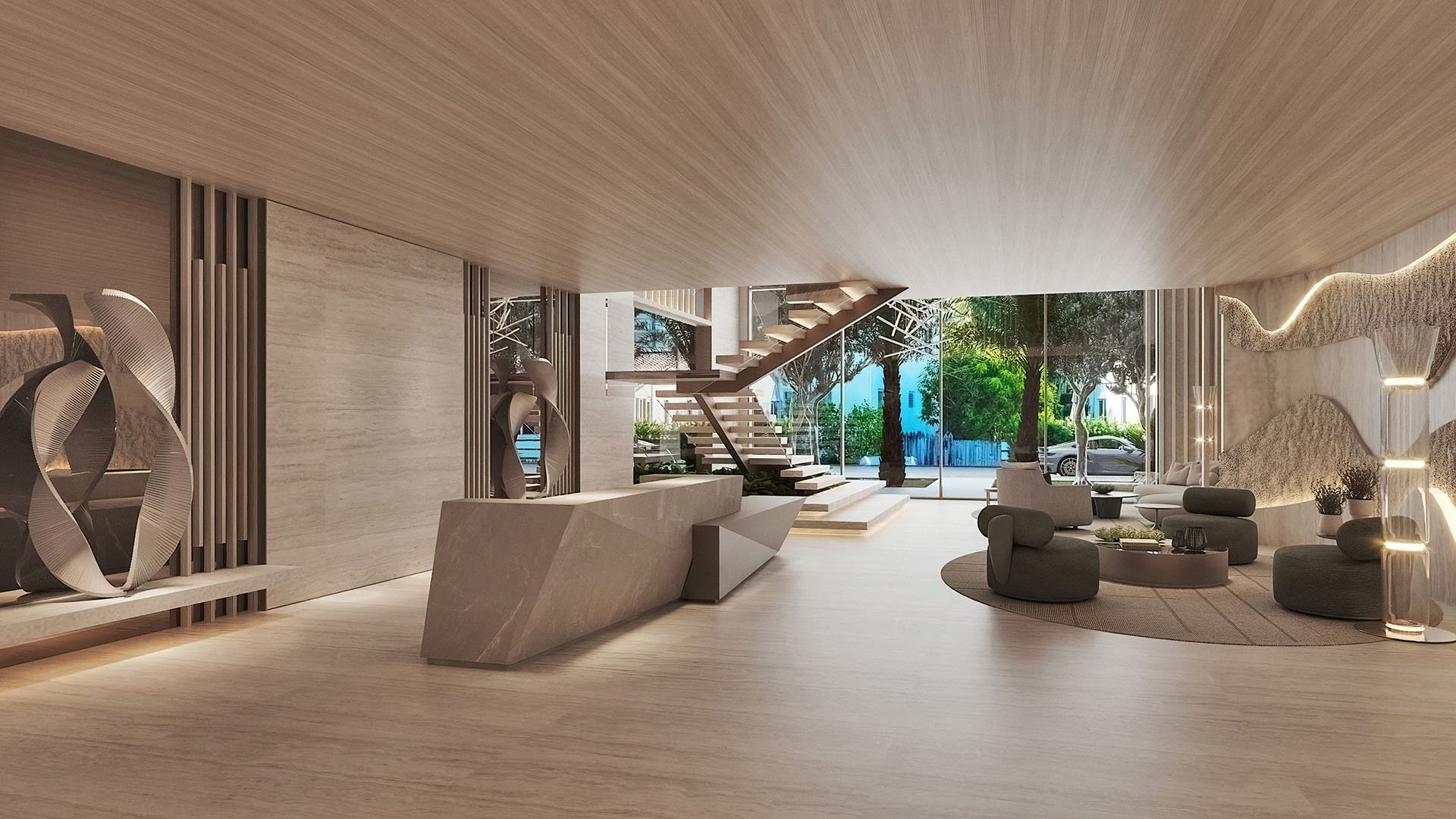
In South Florida luxury real estate, the lobby is more than an arrival sequence. It is the first signal of how a building is managed, how privacy is protected, and how daily life will feel after closing. Marble, art, scent, and lighting may shape the first impression, but staffing determines whether that impression lasts.
For a buyer, concierge service deserves the same scrutiny as views, floor plans, reserves, and finishes. A well-staffed building can make ownership feel effortless. A poorly staffed one can introduce friction into even the most beautiful property, from inconsistent guest handling to delayed vendor coordination and weak communication during high-demand moments.
The right question is not simply whether a building has a concierge. The better question is whether the staffing model matches the lifestyle the building is asking you to buy.
Marketing language can be broad; staffing schedules are specific. Buyers should ask when the front desk is covered, who covers overnight hours, and whether the person at the desk is a concierge, security professional, front desk attendant, or hybrid role. Those distinctions matter because each role carries different expectations.
If a building presents itself as highly serviced, determine whether coverage extends meaningfully across weekdays, weekends, holidays, peak season, move-in periods, and major local events. A lobby that feels polished during a scheduled tour may operate differently late at night or during a full-house weekend.
Also ask about backup coverage. If one staff member is assisting a resident, managing a delivery, or responding to an issue elsewhere on the property, who remains visible at the desk? Luxury service is not only about warmth. It is about continuity.
A strong concierge program has clear reporting lines. Buyers should understand who supervises the concierge team, how issues are escalated, and whether management is on-site, off-site, or split between both. When something goes wrong, the resident experience depends less on charm and more on structure.
Ask how service complaints are documented. Ask whether recurring issues are reviewed by management or the association. Ask who has authority to approve special requests, coordinate building access, and resolve conflicts between house rules and resident needs.
This is especially important in larger towers, branded residences, boutique waterfront buildings, and high-amenity properties. The more complex the building, the more valuable a disciplined staffing hierarchy becomes.
In ultra-premium buildings, discretion is not optional. Buyers should look for evidence that staff are trained to handle names, guests, deliveries, vehicles, household employees, and vendor schedules without casual disclosure. A polished greeting is welcome. A culture of confidentiality is essential.
Ask how guest arrivals are verified, how unexpected visitors are handled, and how information is communicated between shifts. The goal is not a cold environment. The goal is a residence where familiarity never becomes informality.
Privacy also extends to digital habits. Buyers can ask whether resident preferences, access notes, and recurring vendor instructions are stored and shared through controlled internal systems rather than improvised messages. The best buildings make privacy feel natural because the protocols are already embedded.
For many South Florida owners, the residence is supported by a wider circle of housekeepers, drivers, chefs, stylists, personal assistants, dog walkers, yacht crew, contractors, and art handlers. Concierge staffing must coordinate that ecosystem without creating exposure or inconvenience.
Before buying, ask how recurring vendors are registered, how certificates or approvals are handled, and how service elevators, loading areas, parking, and after-hours access are managed. The experience of ownership often depends on these operational details.
This same discipline applies across Brickell, Miami Beach, Sunny Isles, Fort Lauderdale, West Palm Beach, and new-construction towers, where buyers may compare very different building cultures. In every market, the best staffing models reduce the amount of explaining an owner has to do.
Staffing quality is difficult to judge in a single showing. A buyer should ask how concierge team members are trained, how long key staff have been in place, and whether the building relies on permanent employees, contracted personnel, or a blend. None of these models is automatically superior. What matters is accountability, consistency, and fit.
High turnover can affect service memory. A stable team tends to learn resident preferences, anticipate common requests, and maintain a calmer lobby presence. Stability, however, should be paired with standards. Long tenure without training can become complacency.
Look for signs of professionalism: confident communication, clean handoffs between shifts, familiarity with building rules, and the ability to answer practical questions without oversharing.
South Florida buyers should evaluate how concierge staffing functions during disruptions. This does not require alarmist questioning. It requires practical due diligence. Ask how residents are notified during building incidents, elevator interruptions, severe weather preparations, package surges, water leaks, access-control issues, or power-related concerns.
A well-run building will have defined communication practices. The concierge team should know what they can decide, what they must escalate, and how to keep residents informed without speculation.
The key is calm competence. In a luxury building, the staff should not merely react. They should help preserve order.
Concierge staffing is not a decorative amenity. It is an operating cost that must be supported by the building’s budget and governance. Buyers should review association materials with counsel and advisors to understand how staffing is funded, whether service expectations align with dues, and whether any planned changes could affect the resident experience.
A building can promise a high-touch lifestyle, but sustained service requires adequate staffing, supervision, training, and replacement planning. If the economics feel strained, service may eventually become thinner, less consistent, or more dependent on special assessments and policy changes.
This is where luxury buyers should be particularly disciplined. A low monthly cost may look appealing until it compromises the very lifestyle that justified the purchase.
During showings, buyers often focus upward toward the unit. Take time to watch the lobby. Is the desk attentive without being intrusive? Are residents greeted naturally? Are vendors managed calmly? Are packages organized? Do guests understand where to go? Does the staff seem empowered or merely present?
Visit at more than one time if possible. A weekday morning may reveal resident routines. An evening visit may show guest flow. A weekend may expose the difference between a staffed building and a genuinely serviced one.
The most refined buildings make operations appear invisible. That invisibility is not accidental. It is the result of staffing, training, leadership, and a culture that treats service as part of the architecture.
Before committing, ask these questions:
What hours is the concierge desk staffed, and by whom?
Who supervises the concierge team day to day?
How are guest arrivals verified and documented?
How are resident preferences protected and communicated?
What is the protocol for recurring household staff and vendors?
How are packages, deliveries, and service appointments handled?
How are emergencies and building updates communicated?
What training do concierge staff receive?
How stable has the staffing team been?
Does the budget support the service level being marketed?
The answers will reveal whether the building’s service culture is mature, improvised, or somewhere in between.
Why does concierge staffing matter in a luxury condo purchase? It affects privacy, convenience, guest experience, vendor access, and the daily rhythm of ownership.
Is a 24-hour desk always better? Not necessarily. Quality, role clarity, supervision, and backup coverage matter as much as the schedule.
Should buyers ask about staff turnover? Yes. Stability can support better service memory, but it should be paired with training and accountability.
What is the difference between concierge and security? Concierge service focuses on resident assistance and coordination, while security is centered on access control and safety protocols.
How can buyers evaluate privacy culture? Ask how guest information, vendor schedules, resident preferences, and internal notes are handled between shifts.
Should staffing be reviewed with association documents? Yes. Staffing is an operating cost, and the budget should support the service level being represented.
Do boutique buildings need the same staffing depth as large towers? Not always. The right model depends on the building’s scale, amenities, resident profile, and service promise.
Can concierge quality affect resale appeal? It can influence perceived value because buyers often remember how a building feels upon arrival.
What should buyers observe during a lobby visit? Watch how staff greet residents, manage guests, coordinate vendors, and maintain composure during activity.
When should concierge questions be asked? Ask early enough to compare buildings meaningfully, then confirm details during diligence before closing.
For a tailored shortlist and next-step guidance, connect with MILLION.
If branded residences are on your mind — as a home or as an allocation — we would be glad to share what we are seeing, privately.
Begin a quiet conversation