A Miami purchase budget should distinguish the agreed buyer-broker fee from seller contributions, closing-cost credits and other acquisition expenses. Model the potential shortfall before committing to a property.
For a Miami luxury buyer, the purchase price is only one part of the acquisition budget. Before the first tour, resolve a separate question: if the seller contributes less than the compensation agreed with your buyer broker, who funds the difference?
Depending on the written agreement, that difference may fall to the buyer. Sellers and listing brokers may still compensate buyer brokers, but their contribution should never be assumed. Understand your potential obligation first, then measure each property's negotiated contribution against it.
This is a liquidity question, not simply a commission discussion. A purchase can sit comfortably within your price ceiling yet require more buyer-funded cash than anticipated. Keeping the compensation gap visible lets you compare properties on their acquisition economics, not asking prices alone.
Buyer-broker compensation is fully negotiable and is not set by law. No mandatory percentage applies. The agreement must identify compensation through a specific amount, rate or objectively ascertainable formula, giving you a measurable basis for budgeting.
Under applicable settlement practice rules, agents working with buyers generally must obtain a signed written buyer agreement before touring a home, including a live virtual tour. This is not a universal Florida statutory requirement. The distinction matters; the practical preparation is straightforward: discuss representation and compensation before scheduling showings.
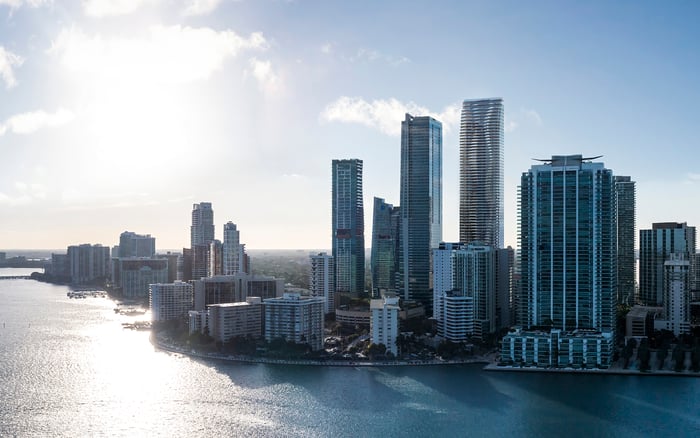
For a buyer considering The Residences at 1428 Brickell, the first question is not what a Brickell seller might offer. It is what the buyer has agreed to pay-and how outside contributions affect that obligation.
Ask the broker to explain the amount, the calculation basis and the circumstances in which you would owe a shortfall. A broker subject to these rules cannot receive total compensation from all sources exceeding the amount or rate agreed in the buyer agreement.
Small percentage differences become meaningful at luxury price points. Every 0.25% of a $2 million purchase equals $5,000. A hypothetical 2.5% buyer-broker obligation paired with a 2% seller contribution creates a potential 0.5% buyer-funded gap, subject to the agreement's terms.
The following examples are illustrative arithmetic only. The 2.5% figure is neither a customary fee nor a recommendation, and the contributions do not represent any property's terms.
| Purchase price | Hypothetical 2.5% fee | Seller contribution toward fee | Potential buyer-funded gap | | --- | --- | --- | --- | | $1.5 Million | $37,500 | $0 | $37,500 | | $2 Million | $50,000 | $30,000 | $20,000 | | $3 Million | $75,000 | $50,000 | $25,000 | | $5 Million | $125,000 | $75,000 | $50,000 |
The lesson is not that every buyer will owe these amounts. It is that the same agreed fee can produce different cash requirements depending on the contribution secured for a particular transaction.
Keep both the percentage and dollar amount on your comparison sheet. The percentage explains the structure; the dollar amount makes the liquidity requirement clear.
Before making an offer, prepare zero-contribution, partial-contribution and full-contribution versions of the budget. Use the actual buyer agreement, not a presumed market rate.
In the zero-contribution scenario, reserve for the entire agreed fee if your agreement makes you responsible for it. In the partial-contribution scenario, subtract only the confirmed payment applicable to broker compensation. In the full-contribution scenario, verify that the payment satisfies the agreed obligation without exceeding the applicable compensation ceiling.
A buyer comparing Miami Beach options, including The Perigon Miami Beach, should apply this exercise to each contemplated transaction. A project name or location does not establish whether a contribution will be available.
Treat unconfirmed contributions as negotiation possibilities, not available funds. That discipline lets you decide whether to seek additional seller participation, discuss the fee with your broker or reconsider the overall purchase budget before committing.
A general closing-cost credit and a payment toward buyer-broker compensation are distinct arrangements. Do not automatically deduct a seller credit from your broker obligation simply because both appear to reduce acquisition costs.
Ask precisely what the proposed payment covers: broker compensation, general closing costs or both. Have the lender and closing agent confirm its treatment before including it in your cash calculation.
Offers of buyer-broker compensation cannot be communicated through the MLS, although they can be negotiated and communicated outside it. Seller concessions advertised through an MLS cannot be conditioned on payment to a buyer broker. That restriction does not prohibit separately negotiated seller-paid broker compensation.
For financed purchases, seller-concession limits vary by loan program. Conventional-loan limits also depend on factors including occupancy and down payment. Do not assume every seller payment receives identical treatment; have the proposed structure reviewed for your financing.
Build the budget around four distinct categories: down payment or purchase funding, closing costs, any buyer-funded compensation gap and property-specific expenses. For a condominium purchase, identify condo-specific expenses separately rather than absorbing them into an unexplained contingency.
A broad Florida planning range for buyer closing costs is approximately 2%-5% of the purchase price. Applied to $2 million, that produces $40,000-$100,000. This is not a Miami luxury-property quote and should not substitute for an individualized estimate.
Before adding the broker gap, establish which expenses that estimate already includes. Otherwise, the budget may omit compensation entirely or count it twice.
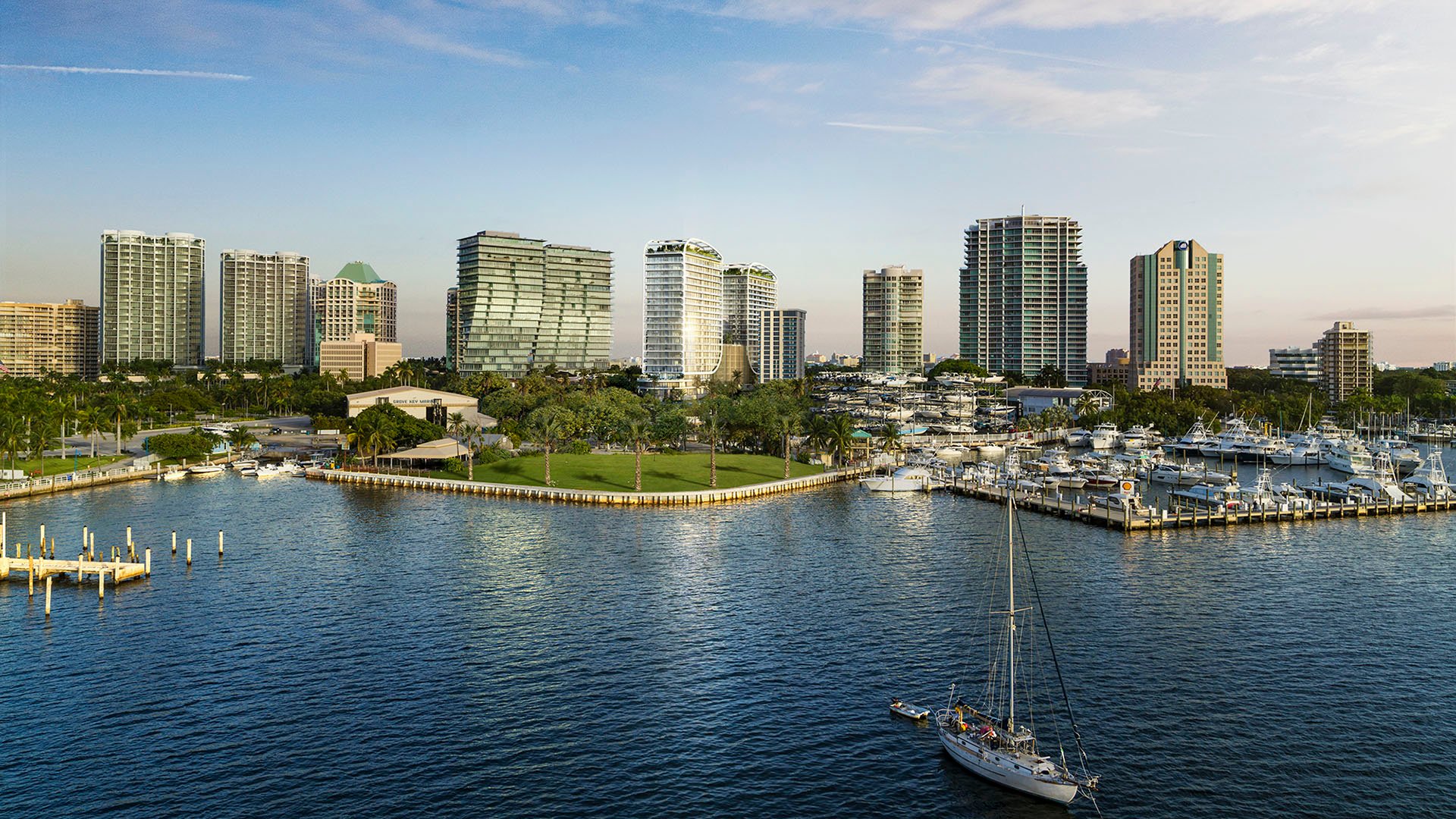
Whether your Coconut Grove search includes Opus Coconut Grove or another residence, use the same accounting structure. Property preference and payment mechanics deserve separate evaluation; neither should obscure the other.
Before finalizing the purchase budget, reconcile the written buyer agreement, the negotiated contribution and the closing estimate. Confirm the agreed fee, identify who is paying each portion and isolate the remaining buyer obligation. If figures change during negotiations, update the cash requirement rather than relying on an earlier worksheet.
The objective is not to predict a seller's generosity. It is to make the acquisition affordable on terms you understand, with any contribution improving a clear budget rather than rescuing an incomplete one.
For a considered approach to your South Florida property search, explore MILLION.
If branded residences are on your mind — as a home or as an allocation — we would be glad to share what we are seeing, privately.
Begin a quiet conversationIt is the potential difference between the compensation agreed with your buyer broker and contributions toward that fee from a seller or listing broker. Whether you owe that difference depends on your written agreement and transaction terms.
No. Buyer-broker compensation is fully negotiable and is not set by law.
Under applicable settlement practice rules, agents working with buyers generally must obtain a signed agreement before a home tour, including a live virtual tour. This should not be described as a universal Florida statutory mandate.
It must be expressed as a specific amount, rate or objectively ascertainable formula. That allows the buyer to calculate the potential obligation.
Yes, sellers and listing brokers may still compensate buyer brokers. Buyers should confirm the contribution rather than assume one will be offered.
A buyer broker subject to the applicable rules cannot receive total compensation from all sources exceeding the amount or rate agreed in the buyer agreement.
No. General closing-cost credits and buyer-broker compensation are distinct arrangements, so confirm what the payment covers with the lender and closing agent.
The hypothetical fee is $50,000, leaving a potential $20,000 buyer-funded gap, subject to the agreement. The 2.5% figure is illustrative, not a customary or recommended commission.
A broad Florida planning range is approximately 2%–5% of the purchase price, not a Miami luxury-property quote. Check what an individualized estimate includes before adding broker compensation.
No. Limits vary by financing program, and conventional-loan limits also depend on factors such as occupancy and down payment; confirm the treatment of proposed payments with your lender.