A month-by-month framework for Manhattan households coordinating a 2026 Fisher Island purchase, from early inventory review and school planning through inspections, closing, ferry logistics, and move-in. The calendar also separates immediate-occupancy resales from projects whose projected completion dates extend into 2027 and 2028.
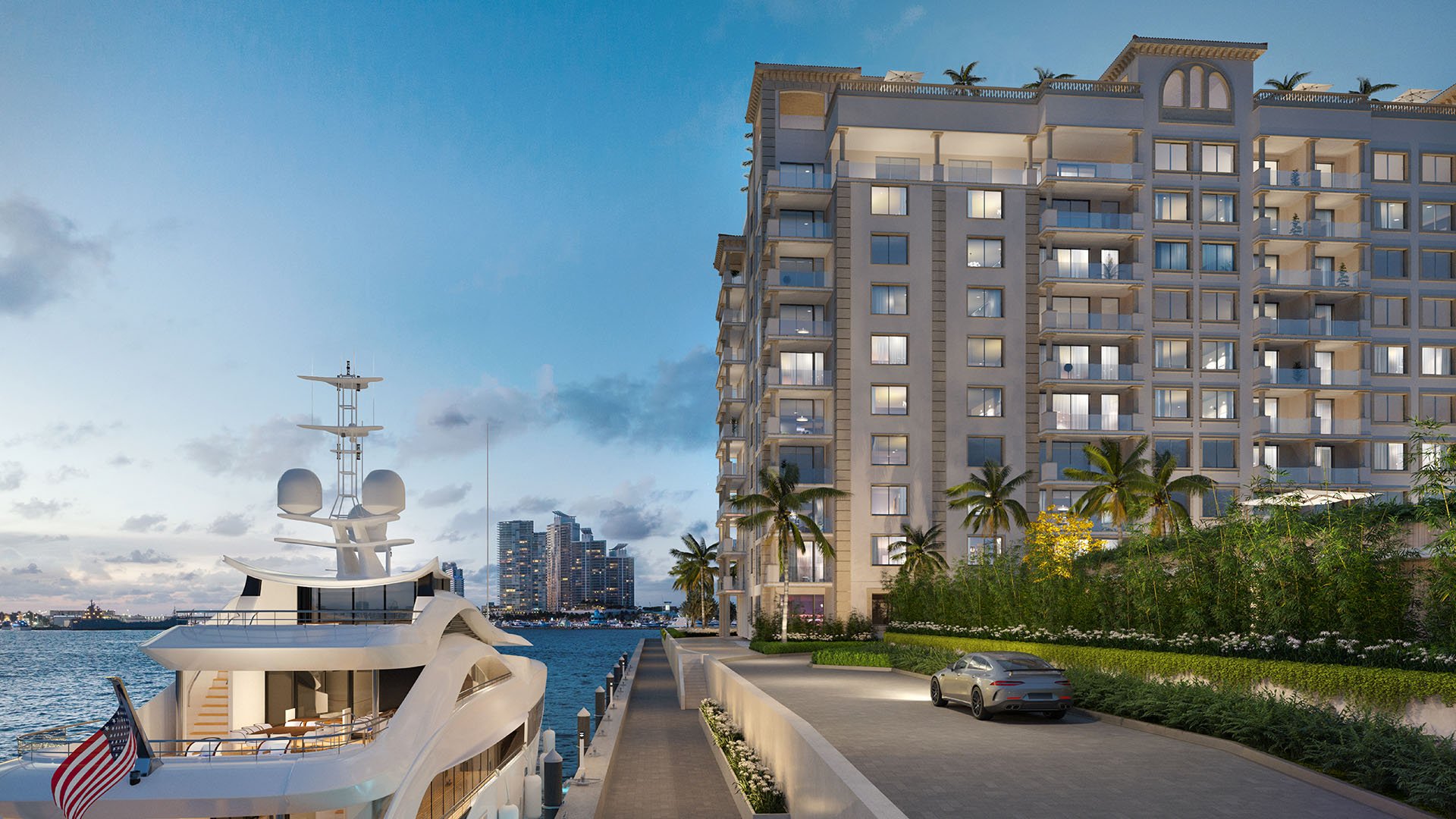
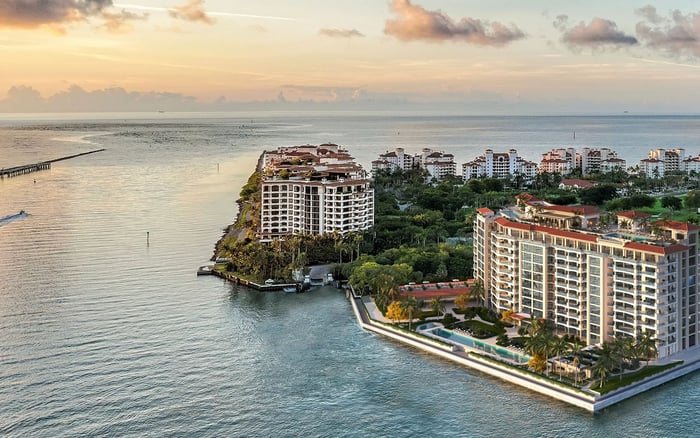
For a Manhattan household, moving to Fisher Island in 2026 is less a single transaction than a carefully sequenced residency plan. The island is accessible only by ferry or private boat, so touring, inspections, deliveries, household staffing, and move-in require more coordination than in a drive-accessible Miami neighborhood.
The first decision is whether 2026 means purchasing a residence or physically occupying it. That distinction separates resale opportunities from pre-construction commitments and should shape every subsequent date. A ready residence may support near-term occupancy, while a new project can establish a longer South Florida horizon.
This buyer’s guide calendar is not a tax or legal day-count plan. Manhattan buyers should establish any domicile, residency, and ownership strategy with their own legal and tax advisers, then align the real-estate timetable with that advice.
Begin with an occupancy brief precise enough to govern the search. Identify the desired move-in window, renovation tolerance, school requirements, guest patterns, storage needs, and frequency of travel between New York and South Florida.
Next, compare existing residences with new development. Palazzo del Sol and Palazzo della Luna belong in a review of established Fisher Island options, particularly for buyers focused on a residence that already exists. Availability and occupancy terms must be verified for the specific home under consideration.
Private-school planning should begin at the same time. Fisher Island Day School provides an on-island option for school-age children, making the academic calendar integral to the property calendar rather than a secondary consideration.
Spring touring should test daily life, not merely finishes and views. Schedule ferry-aware arrival windows and allow enough time to experience the transition between the mainland and the island. Repeat the journey at times relevant to the household’s normal routines.
For each serious property, create an access plan for inspectors, attorneys, designers, and other advisers. Any second visit should be scheduled with island transport in mind. A waterfront residence may appear effortless once occupied, but diligence and moving still depend on carefully timed access.
Market context requires restraint. A broad 2026 pricing range of approximately $2,000 to $4,500 per square foot reinforces the importance of residence-specific analysis. A March 2025 asking price of $4.8 million for unit 2026 at 2026 Fisher Island Drive equated to $1,749 per square foot, but an asking price is not completed-sale evidence.
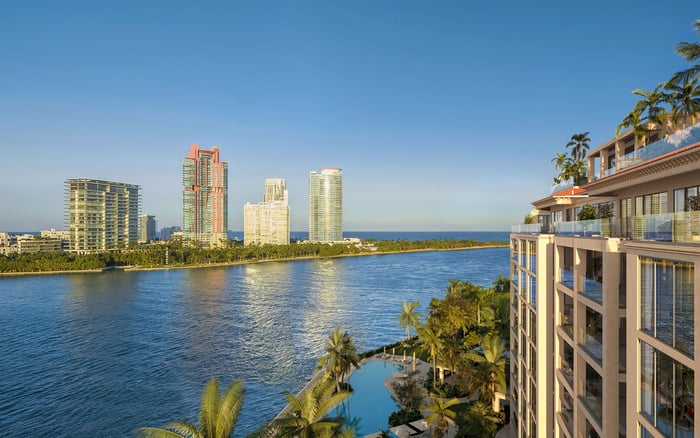
By late spring, buyers targeting a 2026 move should decide whether certainty of occupancy outweighs the appeal of future construction. The Residences at Six Fisher Island broke ground in 2024 and is a 50-residence project with pricing from $15.55 million. Completion was initially targeted for 2026, while a later estimate points to 2027. Buyers should verify the current schedule directly and avoid building a fixed move around an unconfirmed projection.
The market may offer only limited transactional guidance. Five active listings were counted as of June 2026, down 28.6 percent from seven one month earlier. No closed Fisher Island sales were recorded in June or during the year through that point, leaving recent comparable-sale evidence especially thin. Pricing and trends should therefore be considered alongside condition, position, timing, and the terms of the individual opportunity.
Once a residence is selected, consolidate diligence into a master calendar. Include inspections, document review, financing or funds coordination, insurance work, final walkthroughs, and closing. Each professional visit should include sufficient buffer for ferry schedules and island transport.
Families should place the school timetable beside the closing timetable. If the goal is to begin the academic year from Fisher Island, confirm that the anticipated possession date allows adequate time for furnishing, technology setup, and household adjustment. School arrangements and property completion remain separate matters and should each be confirmed directly.
For a contract tied to future delivery, distinguish the projected completion date from the dates on which the buyer can inspect, close, and occupy. Those milestones may not be interchangeable, so the calendar should preserve flexibility.
A Fisher Island move should be choreographed well before trucks are packed. Prepare an inventory of furniture, art, wine, vehicles, and other items requiring specialist handling. Confirm how each vendor will reach the island, where deliveries can be received, and whether installation should occur in phases.
If construction remains the preferred route, The Links Estates at Fisher Island is under construction with estimated completion in 2028. It may suit a buyer establishing a longer-range plan, but it is not a substitute for a residence needed for 2026 occupancy. A separate interim-home strategy may therefore be appropriate.
The final phase should protect against compressed decisions. Reconfirm access for the walkthrough, closing team, movers, and installers. Sequence deliveries so the island’s ferry-dependent setting is treated as a central operating condition, not a last-minute detail.
After possession, assess whether the residence supports the household’s actual travel pattern. A successful transition may involve staged furnishing or a gradual shift from Manhattan rather than an immediate, all-at-once relocation. The objective is a composed arrival that preserves the privacy and ease Fisher Island is meant to provide.
Can a Manhattan buyer move into Fisher Island during 2026? Yes, if a suitable resale residence is available and the purchase, diligence, and move can be completed on schedule.
Is Fisher Island accessible by car from the mainland? No. Access is by ferry or private boat, so every tour, inspection, and delivery should account for island transport.
Should ferry timing affect the closing calendar? Yes. Build access buffers into inspections, walkthroughs, professional appointments, and move-in days.
Is there a school on Fisher Island? Fisher Island Day School provides an on-island option for families with school-age children.
Will Six Fisher Island definitely be completed in 2026? Buyers should not assume so. The initial 2026 target was followed by a later 2027 estimate, and the current schedule requires direct verification.
Is The Links Estates suitable for a 2026 move? Its estimated completion is 2028, so it aligns more naturally with a longer-term residency plan.
What pricing range should buyers expect? A broad 2026 range of approximately $2,000 to $4,500 per square foot provides context, but individual residences can differ materially.
Are current asking prices reliable comparable sales? No. Asking prices and automated valuations provide context, but neither is evidence of a completed transaction.
Why is recent sales evidence limited? Five active listings were counted in June 2026, while no closed sales were recorded that month or year to date.
When should a buyer begin planning deliveries? Begin before closing, with every mover, installer, and specialist briefed on ferry access and island transport.
For a discreet conversation and a curated building-by-building shortlist, connect with MILLION.
If branded residences are on your mind — as a home or as an allocation — we would be glad to share what we are seeing, privately.
Begin a quiet conversation