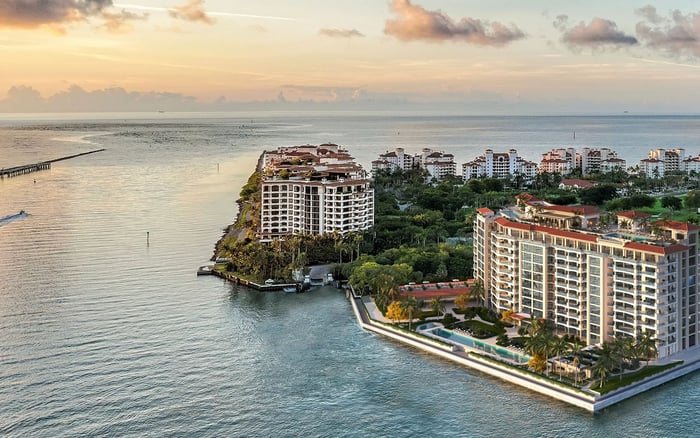
A disciplined framework for evaluating branded waterfront ownership in Miami Beach, from insurance and storm preparedness to governance, carrying costs, and resale liquidity.

The appeal of The Ritz-Carlton Residences® Miami Beach extends deliberately beyond that of a conventional condominium. Its identity brings together a waterfront Miami Beach setting, design-led luxury, Ritz-Carlton branding and management, and a service-rich residential experience. For a buyer, these elements can create an unusually compelling sense of arrival and ease.
Yet the 2026 lens should be bifocal. One side considers architecture, privacy, service, and the pleasure of living by the water. The other examines a complex coastal asset whose performance depends on governance, operating discipline, insurance, preparedness, and eventual marketability. The strongest acquisition case emerges only when both views remain in focus.
This is particularly relevant for a second-home buyer, although that phrase is not the central thesis here. Whether occupied year-round or intermittently, a residence should be evaluated by how the building functions when the owner is present, absent, and navigating storm season.
Waterfront is central to the ownership proposition, but proximity to the water should prompt specific diligence rather than generalized anxiety. Before, during, and after a severe-weather event, a buyer should understand how responsibilities are divided among the association, management, vendors, and individual owners.
The review should cover written hurricane procedures, communication protocols, access rules, staffing plans, vendor arrangements, and the treatment of exterior furnishings or other owner-controlled items. It should also establish how an absent owner receives updates, authorizes work, and regains access if ordinary operations are interrupted.
These questions are not a verdict on the property. They are the practical expression of disciplined ownership in coastal Miami Beach. A polished service culture may elevate the daily experience, but buyers should confirm which storm-related services are included, which require separate authorization, and which remain entirely the owner’s responsibility.
Branded residences can offer an elevated service proposition, but brand prestige is no substitute for financial review. With qualified advisers, buyers should examine current condominium documents, the operating budget, reserve information, insurance policies, assessment history, available engineering materials, management arrangements, and meeting records.
The objective is to understand not merely the current monthly obligation, but the structure behind it. Which expenses recur? Which could vary? What portion supports services that matter to the buyer? How are major expenditures considered and approved? Are owner obligations clearly defined in the governing documents?
No property-specific conclusion about reserves, premiums, inspections, mitigation features, or assessments should be made without current documentation. These details can change and should be verified directly during diligence. Ownership discipline means resisting assumptions-including favorable ones inspired by the name above the door.
Insurance deserves its own workstream. The association’s coverage and the owner’s policy are related, but they are not interchangeable. A buyer and insurance adviser should map what each policy covers, where deductibles apply, which exclusions or sublimits matter, and how interior improvements, personal property, temporary living costs, and liability are treated.
The inquiry should extend beyond headline premiums. Coverage limits, valuation provisions, deductibles, claim procedures, renewal conditions, and the allocation of uninsured costs can matter more than a single annual figure. Buyers should also test the combined carrying cost under realistic scenarios rather than treating insurance as a peripheral closing item.
For investment-minded purchasers, this analysis should sit alongside anticipated use and holding period. For lifestyle purchasers, it protects the very ease the brand is meant to deliver. In both cases, the goal is the same: understand the contract before relying on the comfort.
A disciplined model begins with association charges and owner insurance, then incorporates property taxes, utilities, maintenance within the residence, furnishing care, professional oversight, and a prudent allowance for variable expenses. If financing is involved, debt service and lender requirements belong in the same analysis.
The calculation should distinguish ordinary annual costs from less predictable capital demands. Buyers should ask how the association plans and pays for significant work, how assessments are authorized, and how changes in insurance or operations could flow through to owners. The resulting model should be tested across a multiyear holding period, not merely the first year after closing.
This is where luxury becomes legible. The relevant question is not whether service costs money. It is whether the services, governance, and physical setting justify the total obligation for this particular owner.
A useful comparison set can sharpen judgment without reducing distinctive properties to a spreadsheet. In Miami Beach, a buyer might place The Perigon Miami Beach, Shore Club Private Collections Miami Beach, and Setai Residences Miami Beach into the conversation, then apply the same questions to each opportunity.
How does management operate? Which services are important enough to pay for over time? How does the location fit the owner’s routine? What documentation supports the building’s preparedness and financial position? The purpose is not to declare a universal winner. It is to reveal differences in operating model, personal utility, and risk tolerance.
Resale liquidity should be considered before purchase, even when the intended hold is long. Brand recognition, design appeal, waterfront character, service quality, residence condition, carrying costs, governance, and buyer confidence can all influence how an asset is received later.
A prudent buyer should consider the likely future audience for the residence and whether its layout, view orientation, condition, and total cost of ownership suit that audience. This is not an invitation to predict a sale price. It is a reminder that marketability is shaped partly by decisions made during ownership, including maintenance, documentation, and the handling of improvements.
The disciplined conclusion is simple: acquire the experience, but underwrite the asset. At this level, confidence should come not from eliminating every uncertainty, but from identifying responsibilities, testing costs, and understanding how the building operates when conditions are least convenient.
Is The Ritz-Carlton Residences® Miami Beach a conventional condominium purchase? It is positioned as an ultra-luxury, service-rich residential offering, but it should still be evaluated as a complex coastal real-estate asset.
Why does storm season matter to a buyer? The waterfront Miami Beach setting makes preparedness, communication, insurance, access, and owner responsibilities essential parts of diligence.
What documents should a buyer review? With qualified advisers, review current condominium documents, budgets, reserves, insurance policies, assessments, engineering materials, meeting records, and hurricane procedures.
Does Ritz-Carlton branding remove coastal ownership risk? No. Branding and management shape identity and service, while insurance, governance, operating costs, and physical exposure require separate analysis.
Should association insurance be reviewed separately from owner coverage? Yes. Buyers should map the boundaries, deductibles, exclusions, limits, and claim responsibilities of both coverage layers.
What belongs in the carrying-cost model? Include association charges, owner insurance, taxes, utilities, interior upkeep, oversight, financing costs if applicable, and allowances for variable expenses.
How should an absentee owner approach storm planning? Confirm communication channels, authorization procedures, access rules, vendor arrangements, and which preparations remain the owner’s responsibility.
Are current reserves or insurance premiums known from this overview? Property-specific figures should be verified through current documents rather than inferred from branding or general market positioning.
Why compare other Miami Beach residences? A consistent comparison reveals differences in management, services, location fit, carrying costs, and the evidence supporting preparedness.
When should a buyer consider future marketability? At acquisition, since residence selection, upkeep, documentation, governance, and total ownership cost can influence future buyer confidence.
When you're ready to tour or underwrite the options, connect with MILLION.
If branded residences are on your mind — as a home or as an allocation — we would be glad to share what we are seeing, privately.
Begin a quiet conversation