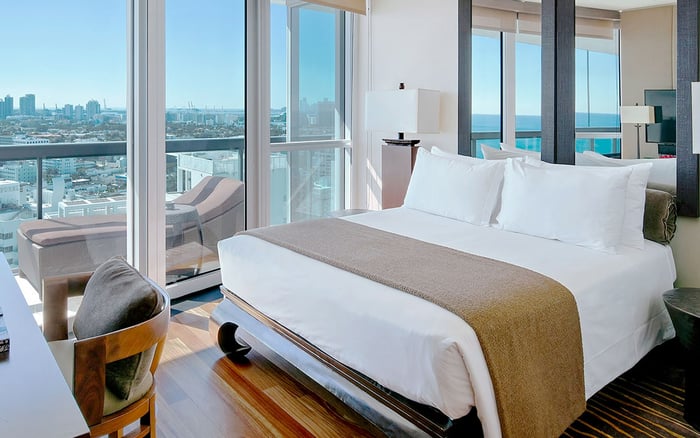
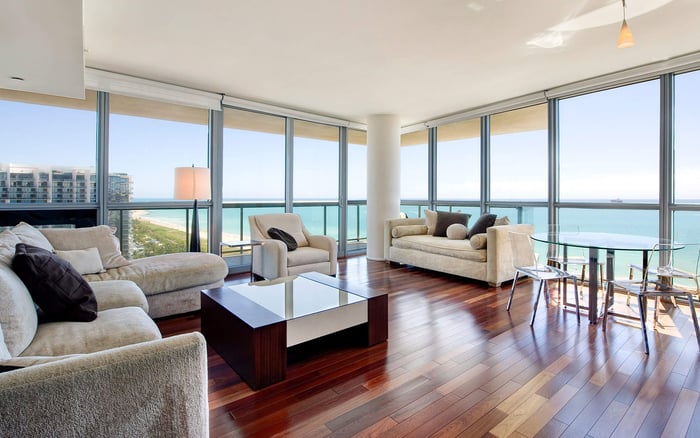
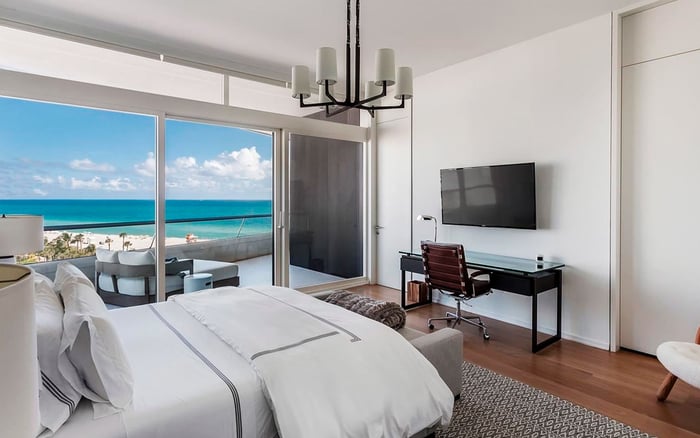
A buyer-focused look at Setai Residences Miami Beach as a low-density, oceanfront, hospitality-led ownership case study for 2026 luxury buyers.
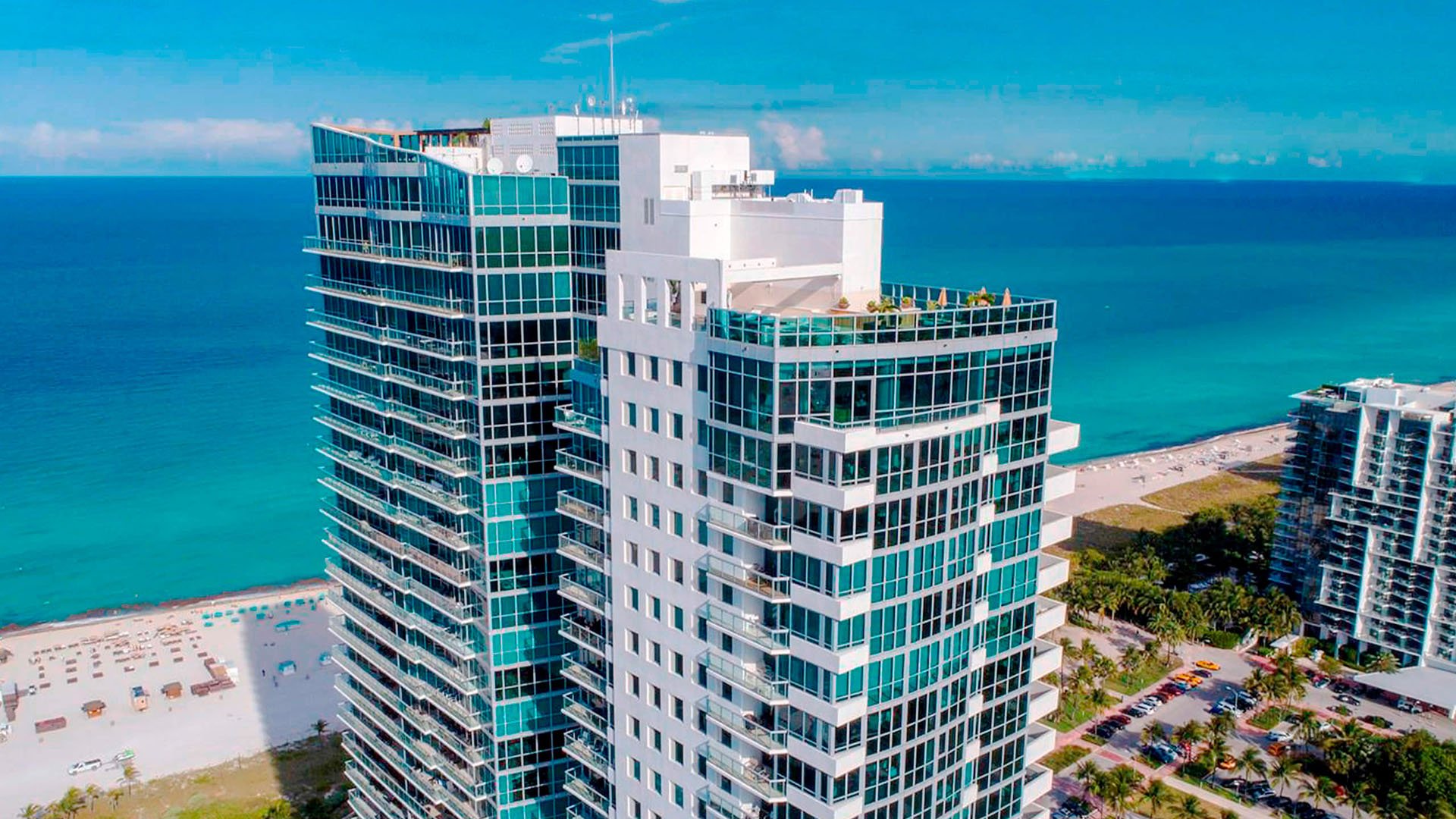
Setai Residences Miami Beach occupies a category that deserves a more nuanced read than a conventional luxury condominium. Its appeal is not limited to the view, the sand, or the address. It is the blend of direct Miami Beach oceanfront living and a hospitality overlay that gives ownership a resort-caliber rhythm while preserving a residential framework.
For 2026 buyers, that distinction matters. The strongest buyers in this cycle are not simply pursuing trophy finishes or recognizable names. They are asking whether the lifestyle benefit is durable, whether the building is stewarded with discipline, and whether the total annual carrying cost still makes sense once insurance, reserves, maintenance, and service expectations are evaluated together.
That is why Setai Residences Miami Beach belongs in the same conversation as both a lifestyle asset and an ownership structure. It is oceanfront, it is service-led, and it is best understood as condo-hotel ownership rather than as a standalone tower with a simple residential operating model.
Low-density is often used as shorthand for privacy, calm arrival sequences, and a more composed amenity experience. At Setai, that theme aligns with the broader buyer desire for beachfront access without the feeling of a high-turnover resort. Still, a disciplined buyer should not treat low-density as a substitute for diligence.
The more useful question is practical: does the ownership experience feel residential in daily life, and do the operating documents support that feeling over time? Because Setai blends residential and hospitality uses, buyers should study rental rules, guest flow, service access, and how hotel operations affect privacy. The point is not to avoid hospitality. For many owners, hospitality is the reason to buy. The point is to understand precisely how it functions inside the ownership experience.
This is where Setai differs from a classic private condominium. A buyer comparing Setai Residences Miami Beach with South Beach peers such as Apogee South Beach or Continuum on South Beach is not choosing only between locations. The buyer is choosing between different definitions of privacy, service, access, and governance.
Setai’s strongest lifestyle differentiator is its direct oceanfront position. That cannot be replicated by finishes alone, and it is central to why high-net-worth buyers continue to consider the property when reviewing Collins Avenue and South of Fifth options. The value proposition is not purely about upside. It is about whether the building can deliver a recognizable luxury address, true beachfront access, and service that makes ownership feel effortless.
In 2026, that lens is especially important. Buyers should separate lifestyle value from speculative appreciation. A residence that is used often, enjoyed deeply, and carried responsibly can be an intelligent holding even when the market is selective. Conversely, an emotionally compelling view can become less attractive if the carrying costs feel misaligned with usage, rental flexibility, or long-term stewardship.
That is why Setai is best viewed first as a capital preservation conversation. The service, location, and scarcity must justify the total annual obligation. If they do, the ownership thesis can be compelling. If they do not, the buyer should keep comparing.
Setai should be compared against premier Miami Beach oceanfront properties where service, privacy, and scarcity define the buyer pool. This includes the established South Beach luxury set and newer or alternative beachfront interpretations. A buyer looking at Faena House Miami Beach may be drawn to design identity and a distinctive Collins Avenue presence. A buyer considering The Perigon Miami Beach may be evaluating a different type of contemporary beachfront offering.
The comparison should not become a beauty contest. The better process is to ask four questions. First, does the unit provide the view corridor and elevation that will matter over a full ownership cycle? Second, does the physical condition reduce near-term capital friction? Third, do the rental rules match the buyer’s intended use? Fourth, does the building’s governance support long-term confidence?
Those questions belong in every serious buyer’s guide review of branded residences and hotel-influenced ownership. Setai’s advantage is that its lifestyle proposition is easy to understand. The buyer’s task is to determine whether the operating realities are equally persuasive.
At Setai, broad building appeal does not remove unit-level risk. Line, elevation, view corridor, condition, and rental limitations can materially affect value. Two residences in the same property can serve very different ownership goals depending on exposure, layout, privacy, and how the owner plans to use the property.
A buyer planning frequent personal use may prioritize the quietest, most residential-feeling line. A buyer focused on occasional occupancy may study flexibility, guest flow, and whether hotel operations enhance or dilute the experience. A buyer concerned with capital preservation should look beyond surface finishes and ask how the residence will feel after several years of ownership, seasonal weather exposure, and ongoing building stewardship.
Oceanfront buildings also demand a different maintenance mentality. Salt air, wind exposure, insurance costs, and reserve discipline are not abstract talking points. They are part of the economics of owning on the beach. A polished lobby and a memorable pool deck matter, but disciplined association oversight, credible maintenance planning, and transparent ownership costs matter more.
The right Setai buyer is not necessarily seeking the newest object in the market. It is the buyer who wants Miami Beach with hotel-caliber service, direct sand access, and a recognizable address, while still thinking like an owner rather than a guest.
That buyer may own in other markets, visit seasonally, or want a lock-and-leave South Florida base. They may value a setting where staff, amenities, and beachfront convenience reduce friction. But they should also be comfortable underwriting the building as a hybrid ownership environment. The hospitality overlay is not a side feature. It is core to the experience.
For buyers who want a purely private residential atmosphere, Setai may require closer examination. For buyers who want resort-style convenience without leaving a residential ownership framework, it can be highly relevant. The decisive factor is not whether the property is impressive. It is whether the impression holds up after reviewing documents, rules, operating costs, and the specific residence being purchased.
Is Setai Residences Miami Beach a conventional condominium? It is better understood as a luxury oceanfront condominium with a hospitality overlay, making it distinct from a standalone private condo.
Why does the condo-hotel structure matter to buyers? It can influence service levels, guest flow, rental rules, and the day-to-day residential feel of the property.
What is Setai’s strongest lifestyle advantage? Its direct Miami Beach oceanfront setting is the clearest differentiator for buyers prioritizing beach access and service.
Should buyers focus mainly on views and finishes? No. Views and finishes matter, but ownership costs, association discipline, maintenance planning, and reserves are equally important.
How should a 2026 buyer think about value at Setai? The central question is whether the service, location, scarcity, and ownership structure justify total annual carrying costs.
Are all units at Setai likely to perform the same way? No. Line, elevation, view corridor, condition, and rental limitations can materially affect value and usability.
Why are rental rules important at Setai? Rental flexibility can shape both ownership economics and the feel of the building, especially in a hospitality-influenced property.
What should buyers compare Setai against? Buyers should compare it with premier Collins Avenue and South of Fifth oceanfront properties where privacy, service, and scarcity matter.
Is Setai best suited for speculative buyers? It is better suited to buyers who value lifestyle, capital preservation, and sustainable carrying costs over short-term speculation.
What is the simplest diligence priority before buying? Review the specific unit, the operating documents, the cost structure, and how hotel operations affect the residential experience.
For a discreet conversation and a curated building-by-building shortlist, connect with MILLION.
If branded residences are on your mind — as a home or as an allocation — we would be glad to share what we are seeing, privately.
Begin a quiet conversation