Ocean House Surfside offers a boutique oceanfront proposition centered on privacy, limited scale, and a calm residential atmosphere. In 2026, discerning buyers should weigh that appeal alongside a disciplined review of association governance, financial records, insurance, maintenance planning, and potential assessments.
For the 2026 buyer, privacy is no longer evaluated in isolation. It must be weighed alongside a more exacting ownership question: how well does a condominium’s intimate character align with its governance, financial planning, maintenance obligations, and capacity to absorb future costs?
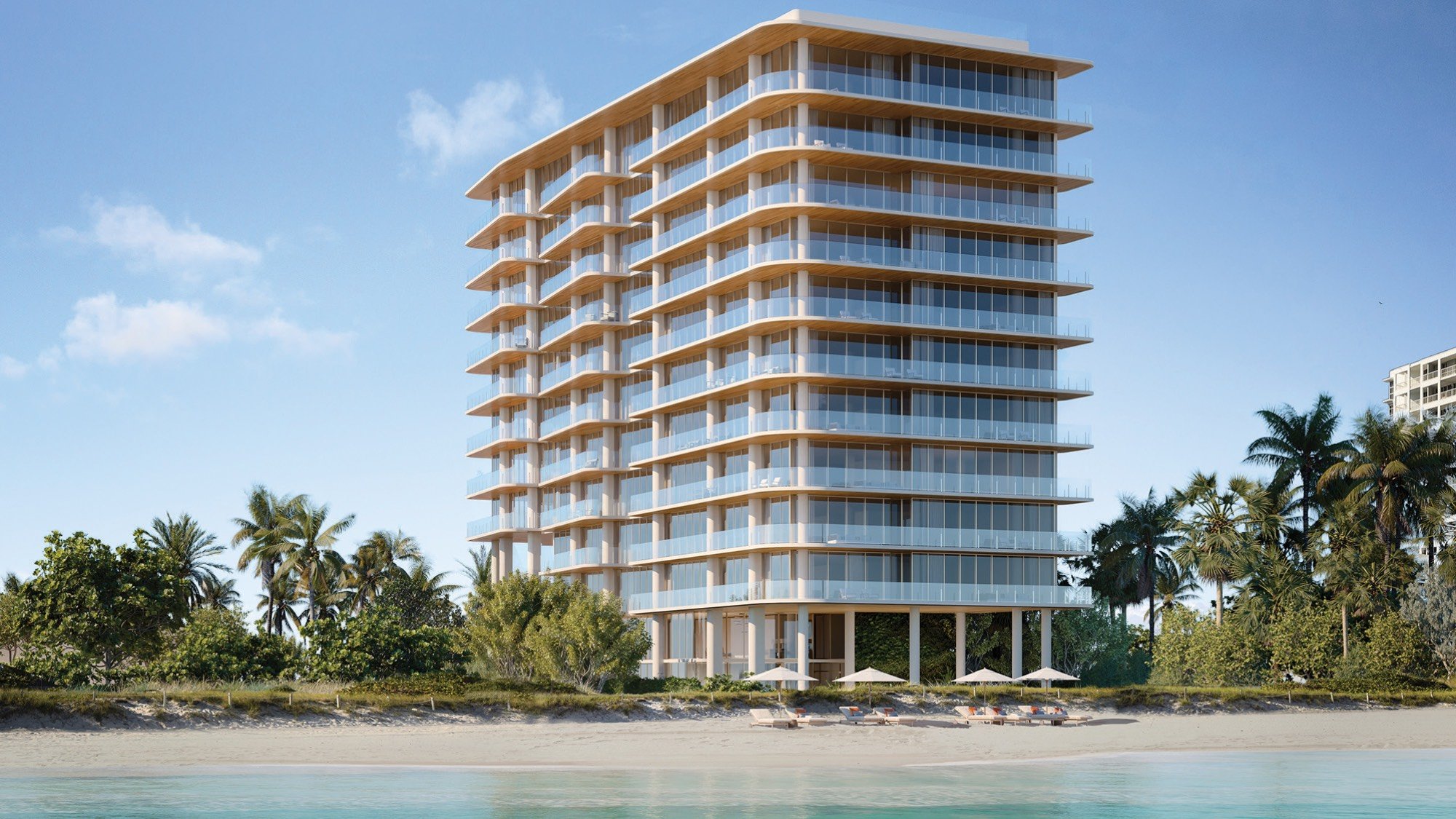
Ocean House Surfside presents a clear lifestyle proposition. Positioned as a boutique oceanfront condominium in Surfside, it is designed for buyers who prefer a lower-density residential experience to the movement and scale of a large resort tower. Beach proximity, exclusivity, and a smaller resident population are central to that appeal.
The atmosphere matters. Fewer residents can mean quieter common areas, a more personal relationship with shared spaces, and less of the high-traffic hospitality rhythm found in larger properties. Yet sophisticated buyers should treat this privacy as the beginning of the analysis, not the conclusion.
A limited condominium community may offer a level of discretion that cannot easily be replicated in a heavily occupied tower. It can also make the size and composition of the ownership group especially consequential. When fewer owners share responsibility for common property, each buyer should understand how costs are allocated, how decisions are made, and how the association plans for substantial obligations.
That is not an adverse conclusion about Ocean House Surfside. No inference should be made about its structural condition, reserve funding, insurance position, assessments, or legal compliance without current records. It is simply the ownership discipline appropriate to any boutique condominium, particularly in a market where building stewardship receives close attention.
The useful question is not whether small is inherently better than large. It is whether the building’s financial and administrative framework is proportionate to its scale. Privacy has value, but durable ownership depends on the machinery behind the serenity.
A serious review should extend beyond finishes and views. Buyers and their advisers should request current association materials and examine budgets, financial statements, reserve information, meeting minutes, insurance documentation, pending or contemplated assessments, maintenance planning, and available engineering or inspection records. Any legal or statutory conclusions should come from qualified counsel reviewing the current documents and applicable requirements.
Meeting minutes can be particularly revealing. They show what owners and directors are discussing, how priorities are set, and whether major items appear resolved, deferred, or still under consideration. Budgets should be read for their assumptions as well as their totals. Insurance documentation should be evaluated for scope, deductibles, exclusions, and the practical exposure that may remain with owners.
This is also where the resale contract demands precision. Due-diligence rights, document delivery, financing conditions, and the treatment of known or potential assessments should be addressed with professional advice. A polished residence does not replace an informed understanding of the association.
The most durable principle is simple: evaluate the residence, the building, and the ownership entity as three related but distinct assets.
Ocean House is positioned for buyers who want Surfside’s village-like setting without moving to a detached waterfront estate. That proposition becomes clearer when buyers compare different expressions of coastal luxury rather than treating every oceanfront condominium as interchangeable.
In the immediate market, Arte Surfside and Fendi Château Residences Surfside can help frame a Surfside-focused search. Farther along the coast, Oceana Bal Harbour offers another reference point for buyers considering the broader northern beaches corridor.
The purpose of comparison is not to declare a universal winner, but to isolate preferences. How much resident activity feels comfortable? Is the buyer seeking a broad amenity program or a restrained residential atmosphere? Does the ownership structure appear understandable? Are recurring costs and potential capital needs acceptable relative to the privacy received?
Before making an offer, define the lifestyle premium separately from the ownership risk. The lifestyle premium may include beachfront access, exclusivity, calm common spaces, and the appeal of a smaller community. Ownership risk requires documentary answers.
A disciplined buyer should establish which records require review, who will interpret them, and which findings would alter price, terms, timing, or the willingness to proceed. If information is incomplete, the response should be further inquiry and suitable contractual protection-not assumption.
Ocean House Surfside may resonate most strongly with buyers who value condominium convenience but resist the scale and circulation of a resort environment. Its low-density identity is therefore both an aesthetic advantage and a prompt for sharper diligence. In 2026, the strongest purchase decision preserves both sides of that equation: private enjoyment and informed ownership.
What defines Ocean House Surfside’s appeal? Its positioning centers on boutique scale, oceanfront proximity, exclusivity, and a calm residential atmosphere.
Why does a smaller resident population matter? It can support quieter shared spaces and a more private experience than a higher-density tower.
Does boutique scale automatically reduce ownership risk? No. Scale does not replace a review of governance, finances, maintenance planning, insurance, and association records.
What association documents should a buyer request? Buyers should seek current budgets, financial statements, reserve information, minutes, insurance materials, assessment information, and available inspection or engineering records.
Can buyers assume the building satisfies current legal requirements? No. Compliance should be evaluated through current official documentation and advice from qualified counsel.
Should privacy command a premium? Privacy can carry meaningful lifestyle value, but the premium should be considered alongside recurring costs and potential capital obligations.
How should meeting minutes be used? Read them for active concerns, deferred decisions, planned work, owner priorities, and the board’s approach to stewardship.
Is Ocean House designed like a large resort condominium? Its stated positioning favors exclusivity and a residential atmosphere over a broad, high-traffic resort program.
What should buyers compare beyond the residence itself? Compare community scale, shared-space patterns, governance, financial planning, insurance, maintenance strategy, and contractual protections.
Who is the clearest fit for Ocean House Surfside? A buyer seeking Surfside beachfront access and condominium convenience without the intensity of a larger resort environment may find it compelling.
To compare the best-fit options with clarity, connect with MILLION.
If branded residences are on your mind — as a home or as an allocation — we would be glad to share what we are seeing, privately.
Begin a quiet conversation