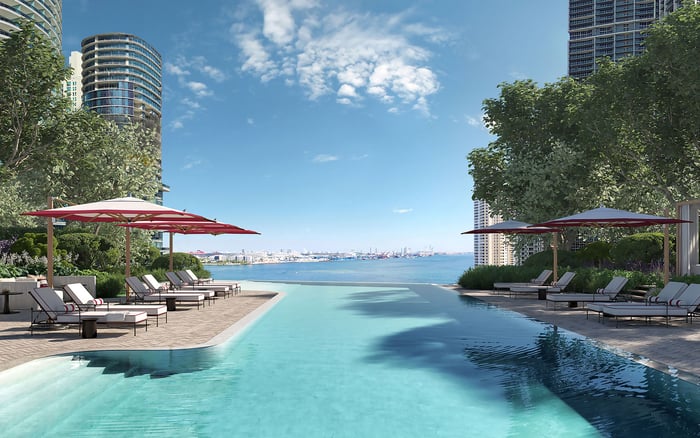
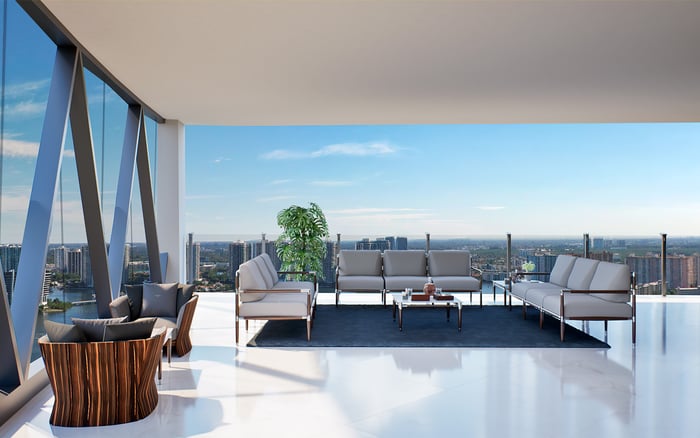
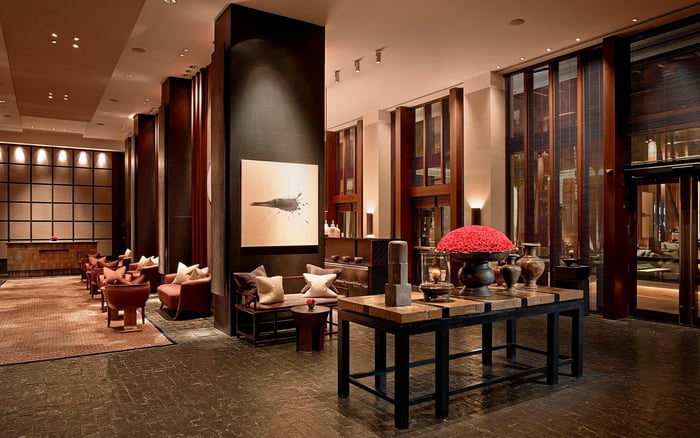
Arbor Coconut Grove presents a low-rise, neighborhood-led alternative for buyers who value privacy, mainland mobility and disciplined condominium ownership over direct beachfront access and resort-scale amenities.
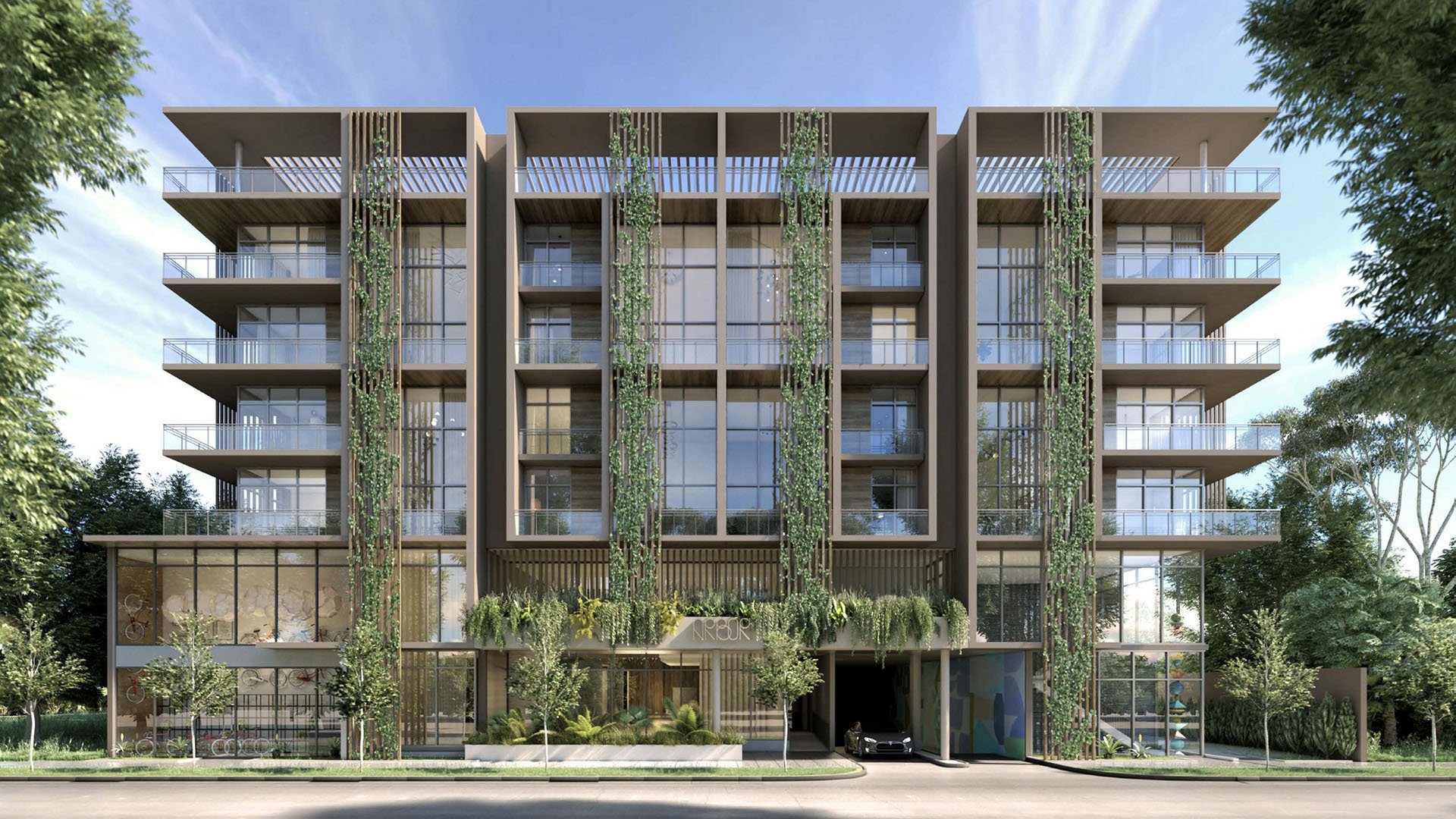
For a globally mobile buyer, a Miami residence is no longer judged solely by its view, architecture or amenity deck. The more revealing question is how seamlessly it fits the owner’s actual patterns of arrival, departure and daily use. Arbor Coconut Grove enters that conversation as a low-rise, design-focused boutique condominium in Coconut Grove, removed from the operating rhythm of a beachfront resort district.
Its appeal does not depend on replicating the branded towers of Miami Beach or Sunny Isles Beach at a smaller scale. Instead, Arbor emphasizes privacy, residential design and integration with a walkable, village-style neighborhood. For buyers arriving through South Florida’s private-aviation gateways, that mainland position can reduce dependence on the causeway routes associated with beach properties. Ground travel may therefore be more predictable, although every buyer should test routes on the days and at the hours that matter personally.
A mainland address does not eliminate Miami traffic. It changes the routes on which an owner is likely to depend. Arbor allows buyers to consider a residence without making a beach crossing part of every arrival or departure. That distinction can matter to an owner moving between aircraft, home, neighborhood destinations and the waterfront.
The appropriate diligence is practical: test prospective airport routes during representative time windows rather than relying on a single estimated drive. Consider weekday and weekend patterns, seasonal activity and the final streets approaching the property. A private-aviation strategy is only as effective as the ground itinerary supporting it.
Coconut Grove also places residents near parks and marinas, making it relevant to owners who combine aviation with boating or yacht use. The point is not immediate access to every mode of travel. It is the potential to organize air, ground and water movements around a mainland base with less habitual reliance on beach corridors.
Arbor is positioned for a buyer who views the Grove itself as the amenity. Its walkable, village-style setting offers a distinctly different luxury proposition from direct ocean frontage. Neighborhood parks and marinas become part of the weekly routine, while the building’s lower vertical density provides an alternative to ultra-tall condominium living.
This is where comparisons should become precise rather than aspirational. A buyer considering Mr. C Tigertail Coconut Grove, Park Grove Coconut Grove or Four Seasons Residences Coconut Grove can use each property to clarify preferences regarding scale, service and residential atmosphere. The purpose is not to identify a universal winner, but to determine whether Arbor’s restrained amenity profile and neighborhood integration better suit the intended pattern of ownership.
The trade-off must remain explicit. Arbor does not offer direct beachfront living. Buyers seeking immediate sand access, an oceanfront identity or hospitality-style amenities may find the Grove proposition incomplete. Those who consider these features secondary may regard the absence of a beach address as a form of operational simplicity.
Lower vertical density and a more restrained amenity program can feel inherently disciplined. Neither characteristic alone proves that carrying costs will be lower or governance simpler. Boutique scale describes the residential experience, not the quality of the condominium’s balance sheet.
Before committing, request and review current HOA fees, insurance obligations, reserve funding, any assessments and the rules governing rentals. Examine resale inventory as well. These factors shape flexibility, liquidity and annual ownership costs, regardless of how private or design-led a building appears.
For readers using buyer’s guides as a decision framework, the essential distinction is between emotional fit and ownership evidence. Arbor may satisfy the desire for discretion, low-rise living and neighborhood access. The documents must independently show whether the condominium’s finances and rules support the buyer’s holding period and intended use.
Begin with use. Decide how many months the residence will be occupied, who will use it and whether rental flexibility holds any value. Then map the journeys that define ownership: private-aviation arrivals, business appointments, dining, park access and marina activity. A residence can be beautifully located in theory yet poorly aligned with an owner’s recurring itinerary.
Next, compare what is absent as carefully as what is present. Arbor’s restrained amenity profile may suit an owner who does not want a hospitality-style experience. It also requires the buyer to identify which services are essential and confirm how they are delivered. Do not assign value to amenities that will rarely be used, but do not underestimate services that materially support frequent arrivals.
Finally, test the exit assumptions. Review competing resale inventory, applicable rental restrictions and the financial commitments that could affect future buyers. Ownership discipline means choosing the right lifestyle while maintaining clarity about cost, governance and eventual resale.
The strongest fit is a buyer who prefers privacy and residential character to skyline-scale spectacle; values Coconut Grove’s parks, marinas and village setting; and accepts that direct beach access is not part of the proposition. This owner may also value a mainland base because it reduces routine dependence on beach causeways after private-aviation arrivals.
The weaker fit is equally clear. A buyer whose Miami identity depends on oceanfront living, resort amenities or immediate beach access should not rationalize those priorities away. Arbor is most persuasive when chosen for what it is: a non-beach-dependent luxury residence centered on neighborhood access, lower vertical density and mobility.
Is Arbor Coconut Grove a beachfront condominium? No. Its proposition centers on Coconut Grove’s mainland neighborhood lifestyle rather than direct beachfront access.
Why can Arbor appeal to private-aviation users? Its mainland location can reduce reliance on causeway routes commonly used to reach Miami Beach residences.
Does a mainland location guarantee faster airport travel? No. Buyers should test relevant routes by day and time because actual ground conditions vary.
What defines Arbor’s residential character? It is a low-rise, design-focused boutique condominium that emphasizes privacy and neighborhood integration.
How does Arbor differ from ultra-tall luxury towers? Its low-rise format offers lower vertical density and favors residential restraint over skyline-scale spectacle.
What neighborhood features support the ownership experience? The Coconut Grove setting places residents near parks and marinas within a walkable, village-style context.
Can Arbor suit an owner who also boats? Its proximity to marinas may be relevant to buyers combining private aviation with boating or yacht use.
Does boutique scale imply lower HOA costs? No. Buyers should verify current fees, insurance obligations, reserves and assessments rather than assume savings.
Which ownership rules deserve attention? Review rental rules, reserve funding, insurance obligations, assessments and current resale inventory before buying.
Who may prefer another location? Buyers prioritizing immediate beach access, oceanfront living or a hospitality-style amenity program may prefer a beach district.
For a discreet conversation and a curated building-by-building shortlist, connect with MILLION.
If branded residences are on your mind — as a home or as an allocation — we would be glad to share what we are seeing, privately.
Begin a quiet conversation