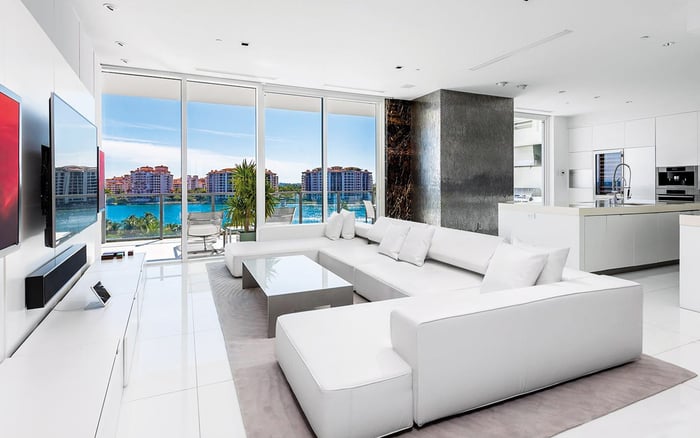
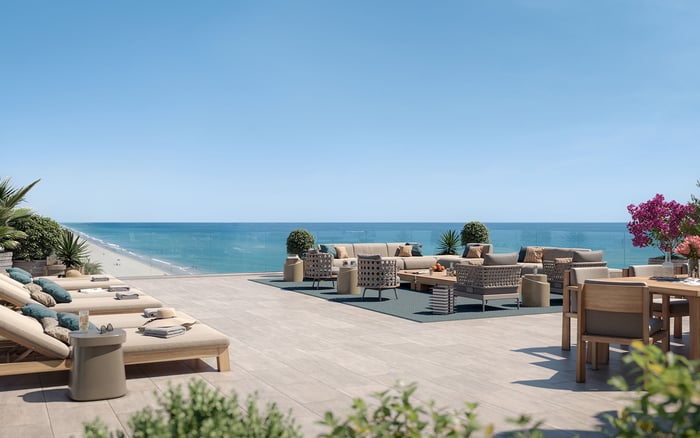
A disciplined framework for evaluating a South Beach residence intended for seasonal use, from building rules and carrying costs to arrival readiness, privacy, storage, and eventual resale.
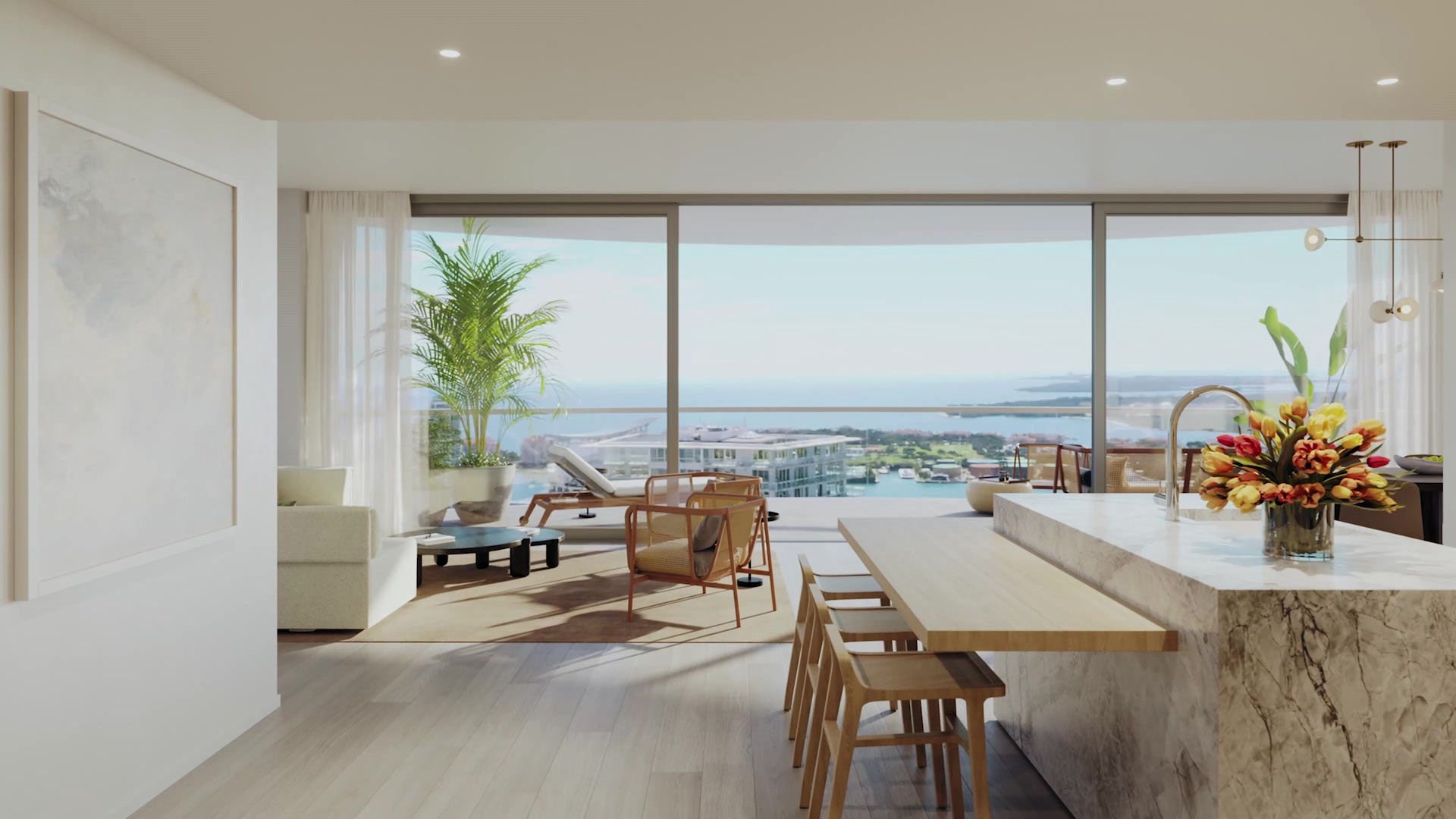
A seasonal purchase in South Beach should begin with a calendar, not a view. Decide when you expect to arrive, how long you will stay, who may accompany you, and whether family or guests will use the home in your absence. A residence that feels effortless for an extended winter stay may prove less suitable for frequent, shorter visits.
For a second-home buyer, the essential question is whether the property will perform well while occupied and remain manageable while vacant. Write a concise ownership brief covering bedrooms, workspace, entertaining, privacy, service, storage, parking, outdoor space, and your tolerance for building activity. This will keep an emotional search anchored to practical priorities.
Seasonal ownership makes building operations particularly important. Before concentrating on finishes, examine access procedures, staffing expectations, delivery handling, guest protocols, contractor rules, move-in procedures, and the process for authorizing entry while you are away. Verify every material point directly in current governing and transaction documents.
A useful comparison may include established names such as Apogee South Beach and Continuum on South Beach, but the exercise is not about choosing by reputation. It is about testing each candidate against your operating brief, then confirming that the specific residence and building policies align with it.
Rules can influence daily enjoyment, future plans, and the ease of accommodating others. Review leasing provisions, minimum rental periods, application procedures, guest registration, renovation windows, vehicle policies, storage assignments, and restrictions affecting pets. If family members, household staff, or advisers will visit independently, clarify how access is approved and documented.
Do not treat a verbal explanation as a substitute for review by qualified legal and financial advisers. Request the current declaration, bylaws, rules, budgets, financial materials, meeting records, insurance information, and disclosures applicable to the transaction. The aim is not merely to identify prohibitions, but to understand how the building functions in practice and whether its culture suits your preferred level of discretion.
Purchase price is only one component of seasonal ownership. Build an annual model encompassing association charges, property taxes, insurance, utilities, interior maintenance, cleaning, management, repairs, furnishing care, vehicle arrangements, and professional oversight. Include a reserve for replacements and unplanned work rather than assuming a perfectly static year.
Apply the same discipline when comparing an oceanfront preference with another waterfront orientation. Value a premium feature in relation to your use, not simply its visual appeal during a showing. If a terrace, service program, or additional parking space will materially improve every stay, it may merit priority. If it will rarely be used, its ongoing cost warrants greater scrutiny.
Evaluate a seasonal residence as a system. Consider climate control, leak detection, appliance shutoff procedures, window treatments, lighting controls, connectivity, backup access, and the ability to monitor or service the home remotely. Establish who will inspect the residence during an extended absence and how urgent decisions will be escalated.
Look beyond staging during the physical inspection. Open cabinetry, assess luggage and owner storage, study the route from parking to the residence, and consider where deliveries wait. Step onto the balcony and evaluate privacy, exposure, noise, furniture placement, and maintenance needs during the periods when you are most likely to occupy the home.
Some owners want a highly assisted arrival; others value independence and minimal interaction. Neither approach is inherently superior. The right building supports your preferred rhythm without imposing unnecessary complexity.
When considering The Ritz-Carlton Residences® South Beach or Five Park Miami Beach, ask the same precise questions you would of any candidate. Which services are included? Which require separate arrangements? How are requests handled, and what happens when the residence is vacant? Confirm rather than assume.
Even a long-term seasonal home should be assessed through the lens of a future buyer. Favor a coherent layout, genuinely useful storage, intuitive access, and operating costs you can explain. Highly personalized improvements may enhance your experience, but consider how readily they could be retained, adapted, or reversed.
In Miami Beach, lifestyle appeal and ownership discipline should reinforce each other. Before signing, assemble a final decision sheet recording verified rules, projected annual costs, inspection findings, renovation implications, service arrangements, and unresolved questions. The best choice is not necessarily the most dramatic residence. It is the one that removes friction from arrival, occupancy, departure, and eventual transition.
What should a seasonal buyer decide before touring? Define expected stay periods, household size, guest patterns, service preferences, storage needs, and the annual ownership budget.
Why review the building before focusing on finishes? Building rules and operations can affect access, guests, renovations, deliveries, rentals, and the management of a vacant home.
Which documents deserve professional review? Request the current governing documents, financial materials, insurance information, meeting records, disclosures, and transaction documents relevant to the residence.
How should carrying costs be compared? Model the complete annual commitment, including association charges, taxes, insurance, utilities, maintenance, management, and a contingency reserve.
What makes a residence easier to leave vacant? Clear oversight, reliable monitoring, controlled access, preventive maintenance, and a documented response plan can reduce operational uncertainty.
Should rental flexibility influence the purchase? Yes, if leasing may matter later. Before relying on that option, verify current restrictions, approval procedures, and related costs.
How important is owner storage? It can be central to effortless arrivals, providing secure, practical placement for clothing, luggage, equipment, and personal items.
What should be tested during a showing? Test circulation, privacy, noise, natural light, storage, parking access, delivery routes, outdoor usability, and the practical arrival sequence.
How should buyers evaluate services? Separate included services from optional arrangements, identify who provides each service, and confirm how requests are managed during absences.
What is the final decision test? Choose the residence that best aligns verified rules, annual cost, operating ease, privacy, personal use, and future flexibility.
If you'd like a private walkthrough and a curated shortlist, connect with MILLION.
If branded residences are on your mind — as a home or as an allocation — we would be glad to share what we are seeing, privately.
Begin a quiet conversation