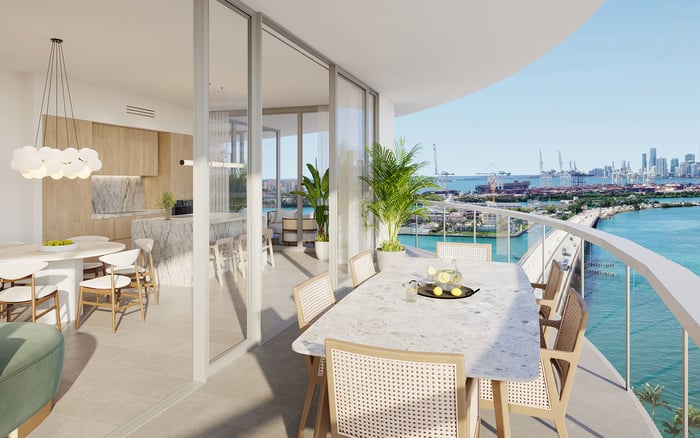
For devoted hotel guests considering ownership at The Setai or The Surf Club, the decisive questions concern residential access, service charges, carrying costs and the rights that accompany a particular residence.
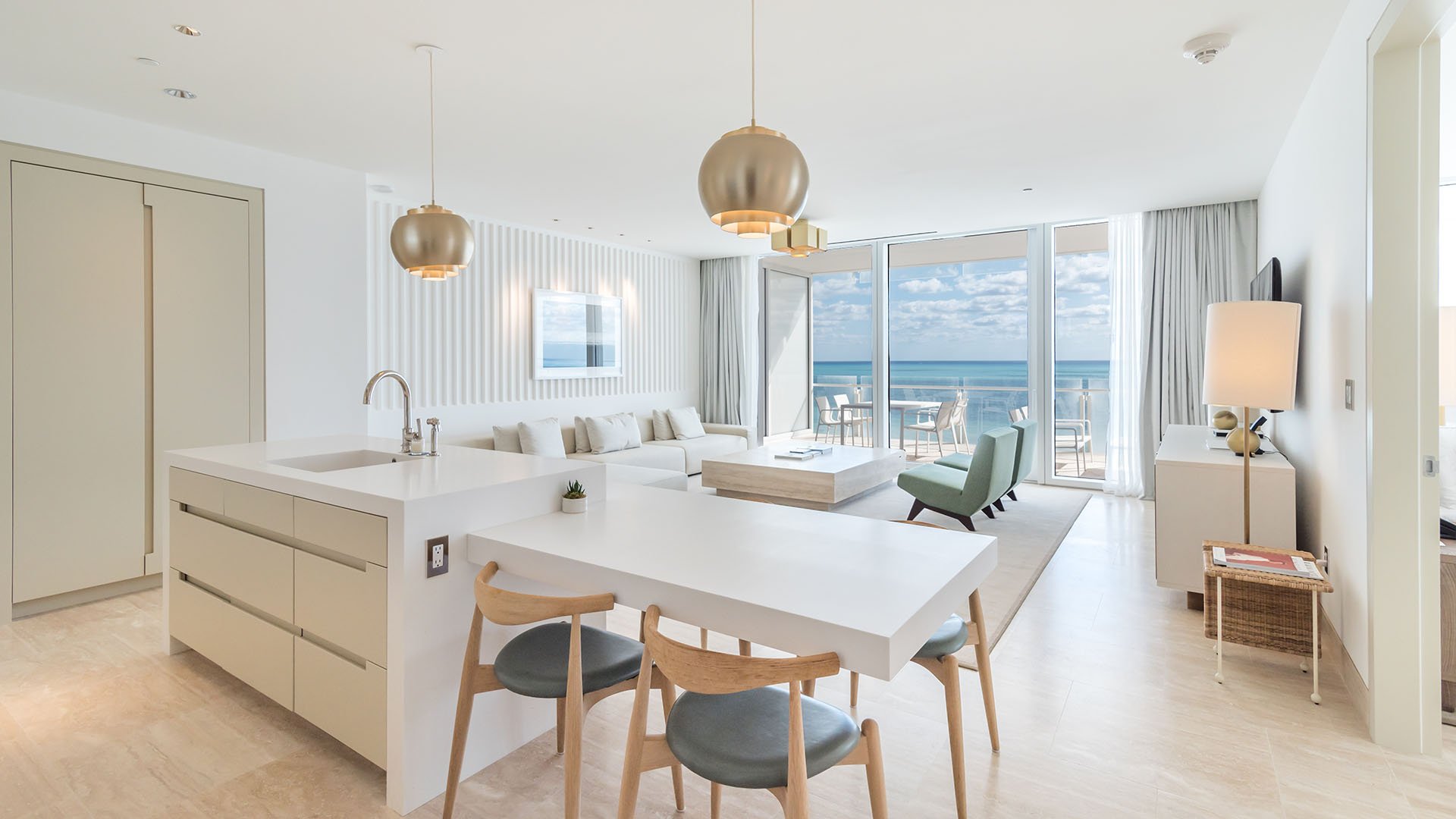
The move from favorite hotel guest to residence owner begins with an appealing proposition: make a place you already enjoy part of everyday life. At Setai Residences Miami Beach and The Surf Club Four Seasons Surfside, that familiarity can sharpen a buyer’s preferences. It should not replace a careful reading of what ownership delivers.
A memorable stay establishes how a property feels as a guest. A purchase creates a different relationship, governed by residential documents, association obligations and service agreements. The essential question is not whether the hotel is exceptional, but whether the specific residence offers the access, privacy and operating arrangements you want for years to come.
The best transition preserves the pleasure of returning while making the obligations equally clear. Treat hotel familiarity as useful personal knowledge, not contractual assurance.
Three categories deserve separate attention: residential amenities, services available for an additional charge, and benefits advertised for hotel accommodations. They may overlap in daily experience, but buyers should not treat them as interchangeable.
The Surf Club’s residential offering includes pool and beach service, access to a Four Seasons spa and fitness center, private residential lobbies with Four Seasons arrival service, and a designated Four Seasons concierge. These features address both leisure and the practical details of coming home.
Its advertised à-la-carte services include butler service, housekeeping and pre-arrival provisioning. The menu also includes in-residence dining, in-residence spa treatments and grocery provisioning. Availability does not mean inclusion in recurring ownership charges. Confirm pricing, booking conditions and which services apply to the residence under consideration.
For a frequent visitor, that distinction can materially change the purchase calculation. Daily housekeeping and occasional provisioning represent very different patterns of use, even when both are available at the same property.
Located at 9011 Collins Avenue, Surfside, Florida 33154, The Surf Club offers a documented residential arrival sequence distinct from the hotel’s public spaces. Private lobbies and arrival service matter to buyers who value a clear separation between a destination hotel and their own front door.
Pool and beach service, together with spa and fitness access, provide a tangible starting point for evaluating daily life. Families should also investigate Kids for All Seasons, which is promoted within the residential offering. Ask about applicable ages, scheduling, reservations and charges rather than assuming every family member’s needs are automatically covered.
Repeat hotel guests should note an important distinction. Surf Club residential-suite accommodations advertise 24-hour concierge, valet parking, twice-daily housekeeping and 24-hour in-room dining. Those accommodation benefits do not, by themselves, establish what private owners receive automatically.
Before purchasing, request a written explanation of residential entitlements and optional services. The practical test is simple: describe an ordinary week in residence, then match each expected service to its governing terms and cost.
For a buyer drawn to The Setai in Miami Beach, affection for the hotel should lead to a precise set of residential requirements. Identify what made previous stays compelling, then distinguish essential ownership requirements from occasional preferences.
If housekeeping, dining access or arrival assistance is central to the decision, request written confirmation of the arrangements applicable to the residence. Do the same for family and guest access, any rental program participation, and the treatment of services when the owner is absent. These are questions to resolve, not benefits to assume.
A historical five-year sales metric places The Setai at approximately $2,419 per square foot across 46 sales. That figure provides context-not a current asking price, an appraisal or a valuation of a particular apartment. It cannot establish today’s inventory or the economics of a specific purchase.
Evaluate the residence and its governing documents together. Familiar surroundings may reduce emotional uncertainty, but they do not eliminate financial or operational due diligence.
The Surf Club’s private residences are listed as sold out, while purchase inquiries remain invited. That status is not proof that resale opportunities do not exist. Establish current availability separately, including the terms and service arrangements attached to any particular offering.
Two recorded transactions illustrate the scale of individual purchases: residence S-PH2, measuring 5,675 square feet, sold for $38.2 million on July 25, 2025; residence N-721, measuring 5,321 square feet, sold for $27,319,500 on May 29, 2026.
These sales are individual reference points, not a building-wide price schedule. Nor should they be compared directly with The Setai’s five-year historical average to calculate a Surf Club premium. Different units and measurement periods do not support that conclusion.
For an acquisition, build the comparison around relevant residence-level evidence and verified carrying costs. Purchase price is only one part of the commitment; service usage and association obligations belong in the same decision.
Evaluate a second home both while occupied and while empty. Ask who can prepare the residence before arrival, what provisioning entails, and how housekeeping or other requested services are authorized and billed. At The Surf Club, advertised pre-arrival and grocery provisioning make these particularly useful questions.
For either property, request association budgets, insurance allocations, reserve information and assessment details. Review rental restrictions, owner-access agreements and service-fee schedules before treating any anticipated use as settled. Neither rental flexibility nor a particular maintenance charge should be assumed from the hotel experience.
Buyers also considering Four Seasons Hotel & Private Residences Fort Lauderdale should apply the same document-led comparison. A shared hospitality name is no substitute for checking the terms of each residential offering.
Ultimately, the right choice is the one whose written arrangements support your preferred routine: arriving for a weekend, staying for a season or hosting family. Preserve the emotional reasons for buying, but require the ownership package to stand on its own.
Explore your next residence with MILLION.
If branded residences are on your mind — as a home or as an allocation — we would be glad to share what we are seeing, privately.
Begin a quiet conversationNo. Hotel accommodation benefits do not establish private owners’ entitlements; confirm residential access and services in the applicable documents.
The Surf Club, Four Seasons Private Residences is at 9011 Collins Avenue, Surfside, Florida 33154.
The offering includes pool and beach service, spa and fitness access, private residential lobbies with arrival service, and a designated Four Seasons concierge.
They are advertised as à-la-carte residential services. Buyers should confirm applicable charges and terms rather than assume inclusion in ownership costs.
The residential service menu includes in-residence dining, in-residence spa treatments and grocery provisioning. Confirm pricing and booking conditions before relying on them.
Kids for All Seasons is promoted within the residential offering. Buyers should confirm participation requirements, scheduling and any charges.
No. The published status is sold out, but purchase inquiries remain invited; current resale availability requires separate confirmation.
The approximately $2,419-per-square-foot figure reflects 46 sales over five years. It is not a current asking price or an appraisal of an individual residence.
No. Individual Surf Club transactions and The Setai’s historical building-level average are not directly comparable measures.
Request association budgets, insurance allocations, reserves, assessment details, rental rules, owner-access agreements and service-fee schedules.