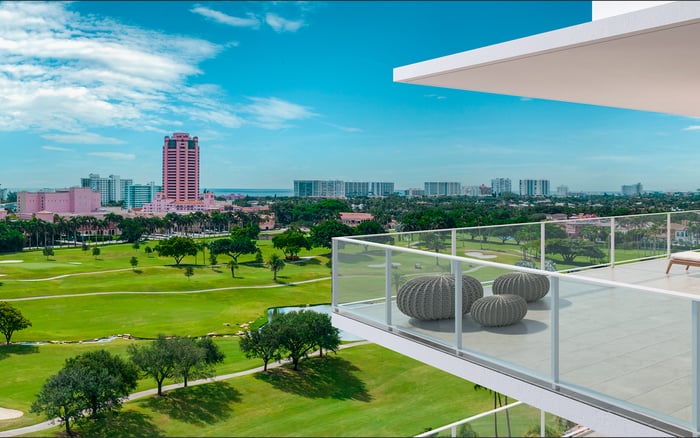
A due-diligence framework for evaluating how service standards at ALINA Residences Boca Raton may translate into the practical experience and obligations of residential ownership.

At Alina Residences Boca Raton, buyers evaluating service culture should look beyond presentation and consider how brand standards may affect everyday ownership. The central question is whether the operating model supports consistent arrivals, access, communication and request handling while preserving the privacy expected of a home.
Service promises are best treated as a starting point for due diligence rather than a substitute for it. Buyers can ask how stated standards are documented, who is accountable for delivery and which elements are governed by condominium documents or management agreements.
A residential service culture becomes tangible through ordinary interactions. Guest access, deliveries, maintenance communication and owner requests can reveal whether procedures are clear and consistently applied.
Prospective owners should ask how requests are recorded, transferred between team members and escalated when unresolved. It is also useful to understand which services are included, which may involve separate charges and which depend on third-party availability.
Consistency matters because ownership extends beyond a single arrival or isolated interaction. Buyers assessing ALINA should consider whether the service framework appears suitable for their expected use, whether as a primary home or a residence occupied less frequently.
Staffing descriptions alone do not explain service quality. Relevant questions include the roles assigned to on-site personnel, the procedures used for visitors and vendors, and the channels available when an owner needs assistance.
Access controls should also be reviewed in practical terms. Buyers may wish to understand how guests are authorized, how deliveries are managed and how exceptions are handled without compromising resident privacy.
Accountability connects these procedures to ownership. Management responsibilities, association oversight and resident rules can help define where service expectations begin and end.
Buyers can place ALINA within a broader Boca Raton review by considering Glass House Boca Raton, The Residences at Mandarin Oriental Boca Raton and Mr. C Residences Boca Raton. These project references can support a comparison of positioning, management expectations and the relationship between brand identity and residential operations.
The comparison should not rest on labels alone. Buyers should examine the documents and current disclosures available for each property, then test whether the operating approach aligns with their expectations for privacy, convenience and oversight.
Before making an ownership decision, buyers should review the applicable association budget, fee structure, rules, management agreement and service inclusions. These materials may clarify how operations are funded, which responsibilities belong to management and what owners must arrange separately.
Questions should be specific. Ask about current procedures for guests, packages, requests, complaints and after-hours issues. Confirm whether any promoted service is guaranteed by governing documents or remains subject to operational change.
A strong review also considers long-term supportability. Staffing, contracts and association priorities can evolve, so current terms should be verified directly through the appropriate property representatives and ownership documents.
What does service culture mean in residential ownership? It refers to the procedures, staffing practices and accountability structures that shape everyday owner and guest interactions.
Why should buyers look beyond branding? A brand name does not by itself establish which services are included, how they are delivered or how they are governed.
Which documents can clarify service obligations? Buyers should review applicable condominium documents, association budgets, rules, fee schedules and management agreements.
What should buyers ask about staffing? They should ask which roles are on site, when assistance is available and how requests are transferred or escalated.
How can buyers evaluate guest access? Buyers can request an explanation of authorization procedures, vendor access and the handling of exceptions.
Are all concierge-style requests necessarily included? Not necessarily. Buyers should confirm whether a service is included, separately charged or dependent on a third party.
Why does request tracking matter? Clear tracking can help establish responsibility and support continuity when more than one team member is involved.
How should ALINA be compared with other Boca Raton projects? Compare current documents, operating responsibilities and service inclusions rather than relying only on presentation or labels.
Can residential service offerings change? Operational practices may change, so buyers should verify current terms and identify which commitments appear in binding documents.
What is the central due-diligence question? Buyers should determine whether the documented operating model aligns with their expectations for privacy, convenience, cost and accountability.
For a discreet conversation and a curated building-by-building shortlist, connect with MILLION.
If branded residences are on your mind — as a home or as an allocation — we would be glad to share what we are seeing, privately.
Begin a quiet conversation