A discreet buyer’s guide to evaluating tower security, from access credentials and staffing procedures to structural inspections, reserves, and biometric privacy.
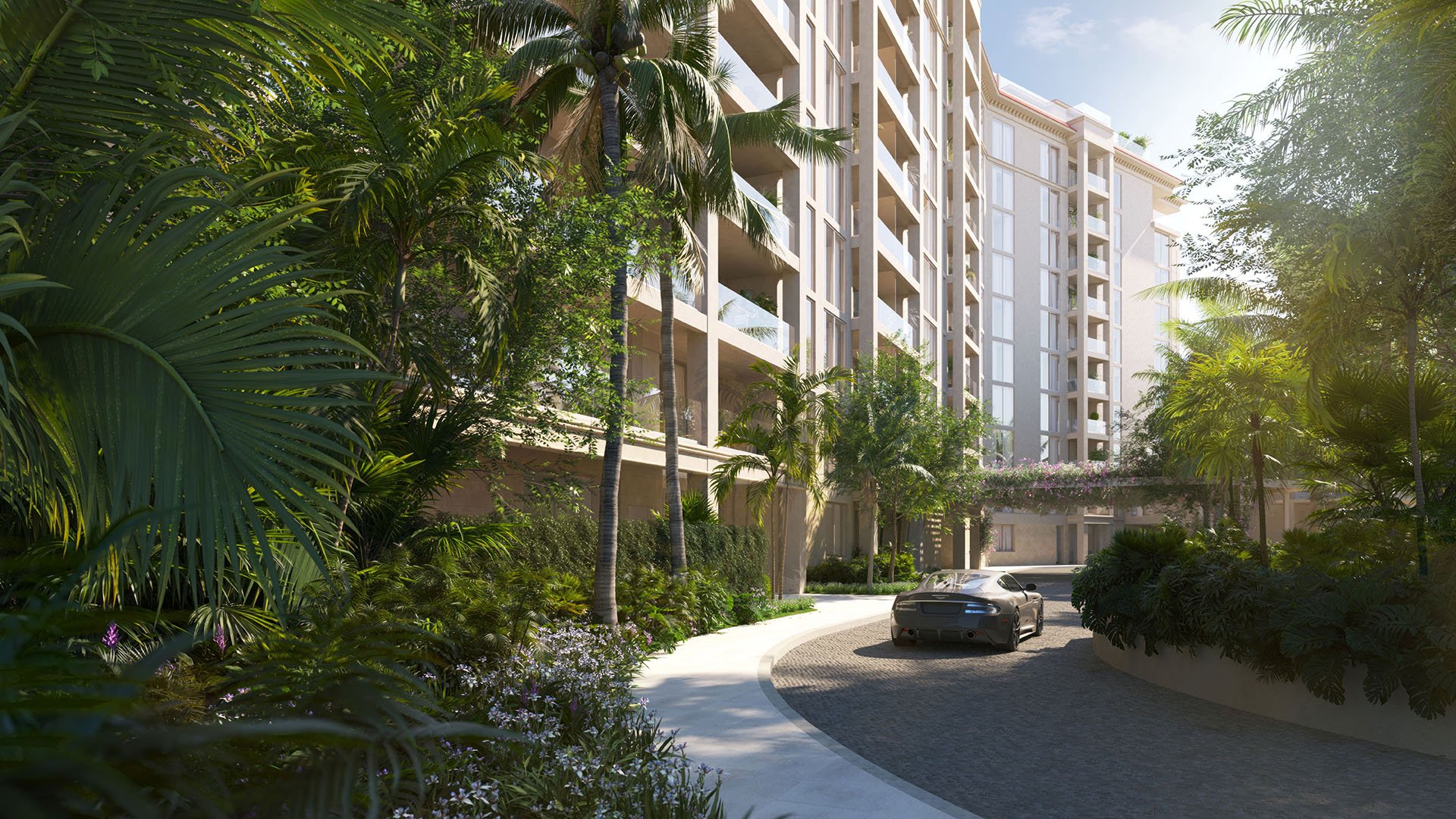
A beautifully managed arrival is reassuring. It is not, by itself, evidence of a secure building. Before buying in a South Florida luxury tower, separate two questions: how does the property protect residents day to day, and what do its structural and financial records establish about the building itself?
These are distinct diligence tracks. A milestone inspection evaluates structural condition, not guards, cameras, or access control. Sophisticated entry technology, in turn, does not resolve an outstanding structural deficiency or establish that repairs are funded. A thorough purchase review brings both tracks together without allowing one to substitute for the other.
For a buyer considering Una Residences Brickell, the starting point should be the same as elsewhere: request property-specific documentation and speak with management rather than drawing conclusions from presentation or address.
Ask management to explain the resident journey from arrival to the apartment door. Which entrances require credentials? What permissions apply to elevators and shared spaces? Who approves guests, contractors, household employees, and deliveries? Ask whether those permissions expire and how they are withdrawn when circumstances change.
Then distinguish hospitality from security responsibility. Who verifies authorization, who handles exceptions, and who takes over when the usual contact is unavailable? Request a description of actual staffing coverage rather than assuming reception and security are interchangeable.
A useful demonstration is procedural, not theatrical: ask management to walk through a hypothetical unauthorized visitor or lost credential. The objective is to understand accountability without requesting sensitive system configurations or information that could expose residents.
An access system matters as much for its follow-through as for its hardware. Ask what controls identify possible credential sharing, repeated denied-entry attempts, or permissions that should have been revoked. Then ask who reviews those events and what action follows.
Camera-equipped credential systems and activity dashboards can be designed to flag these patterns. Installation alone does not demonstrate effective investigation or reduced crime. Ask management to explain the review process and, where appropriate, demonstrate it using nonpersonal or sample information.
When evaluating Jade Signature Sunny Isles Beach, apply that same distinction between capability and practice. Do not infer any particular system from the building’s profile; ask management what is actually in use, who administers it, and how access changes are documented.
Ask which areas are monitored, whether footage is reviewed live or after an event, how long it is retained, and who can authorize access. Treat every answer as building-specific. A camera visible in the lobby does not establish coverage, retention, or response procedures elsewhere.
If facial authentication is used, request written policies addressing consent, storage, retention, deletion, and third-party sharing. Ask what alternative entry method is available and what happens to a departing resident’s biometric information. Clarify who answers a privacy request and whether an outside provider holds the data.
For buyers considering Five Park Miami Beach, these are questions to resolve directly, not assumptions to make about installed technology. The diligence goal is a clear account of access and privacy, not a particular brand of equipment.
Florida’s milestone-inspection program covers residential condominium and cooperative buildings, including mixed-ownership buildings, with three or more habitable stories. The standard threshold is age 30, followed by inspections every 10 years. Confirm the applicable deadline with the local building department rather than applying a blanket coastal-age rule.
Request the complete milestone-inspection report and the inspector’s summary. Do not accept “the building passed” as a substitute. Ask whether findings triggered a second-phase investigation, what deficiencies were identified, and whether any remain unresolved.
Associations must distribute the inspector-prepared summary to owners within 45 days of receiving it. For a purchase, request the applicable documents through the seller and association before closing. Have a qualified professional explain any findings you do not understand, particularly where the status of corrective work is unclear.
Request the Structural Integrity Reserve Study alongside the milestone documents. The reserve study addresses funding for major building components; it does not replace a structural inspection. Each answers questions the other does not.
Ask management to connect inspection findings and reserve recommendations to completed repairs, outstanding work, and potential special assessments. Which items are finished? Which remain open? What documentation supports completion, and what funding is intended for the remaining scope? Seek explanations that reconcile the documents, not a general assurance that everything is budgeted.
For a purchase at Four Seasons Hotel & Private Residences Fort Lauderdale, the same document-led approach applies. Neither branding nor an appealing service experience should substitute for reviewing the applicable records and asking property-specific questions.
Waterfront appeal should not distract from practical questions about disrupted access. Ask what happens to entry controls during a power or communications outage, which relevant systems have backup support, and how residents receive instructions. Request the building’s explanation rather than assuming a particular generator runtime or level of continuity.
Ask how management coordinates emergency access, communicates changes to residents, and supports owners who are away. A second-home buyer should clarify how an authorized representative is recognized and how permissions are updated remotely.
These are diligence questions, not claims about any tower’s preparedness. Seek a usable description of responsibilities and resident procedures while recognizing that some operational details should remain confidential.
Resale buyers should organize the review into three categories: documents received, explanations requiring confirmation, and issues still unresolved. Keep structural findings separate from daily security observations, then assess both before committing.
Qualifying inspection reports and reserve studies are association records subject to disclosure requirements. That does not mean a prospective buyer has unrestricted access to incident files, surveillance footage, or residents’ personal information. Ask for permissible summaries, written policies, or a nonidentifying explanation when sensitive records cannot appropriately be shared.
The strongest outcome is not a claim of perfect security. It is a clear understanding of who is responsible, how procedures operate, what the building’s condition requires, and which questions remain open.
Explore South Florida residences with a more discerning buyer’s perspective at MILLION.
If branded residences are on your mind — as a home or as an allocation — we would be glad to share what we are seeing, privately.
Begin a quiet conversationNo. It evaluates structural condition and whether substantial structural deterioration exists, not guards, cameras, or access controls.
The program covers residential condominium and cooperative buildings, including mixed-ownership buildings, with three or more habitable stories.
State guidance identifies age 30 as the standard threshold, with repeat inspections every 10 years. Confirm the tower’s applicable deadline with the local building department.
Request the complete milestone-inspection report and inspector’s summary through the seller and association. Ask whether a second-phase investigation was required and whether deficiencies remain unresolved.
Associations must distribute the inspector-prepared summary to owners within 45 days of receiving it.
No. It addresses funding for major building components and should be reviewed alongside the structural inspection documents.
Ask how permissions are granted, limited, and revoked, and how management investigates possible credential sharing or denied-entry events.
Request written policies covering consent, storage, retention, deletion, and third-party sharing. Ask what alternative entry method is available.
Disclosure requirements for qualifying association records do not establish unrestricted access to surveillance footage, incident files, or residents’ personal information.
Ask management to reconcile findings and reserve-study recommendations with completed repairs, outstanding work, and potential special assessments.