A practical framework for Seattle buyers deciding whether a West Palm Beach property should serve as a seasonal retreat or a full-time residence, with an emphasis on use, ownership responsibilities and property-specific due diligence.

For a Seattle buyer, the central question is whether a West Palm Beach property will be an occasional retreat or the setting for everyday life. A second home can be selected around easy arrivals, manageable absences and the quality of shorter stays. A primary residence must pass a broader test involving work routines, storage, privacy, guests and year-round practicality.
Begin by defining the anticipated pattern of use. Consider who will occupy the home, how long visits may last, whether plans could shift toward full-time living and how much property oversight feels comfortable. This brief should guide the choice of property type before architecture, finishes or branding take over the search.
A useful comparison groups candidates by property type, location, condition and ownership structure. A detached home, a conventional condominium and a new waterfront residence can present very different responsibilities. Asking price alone does not capture those distinctions.
For each candidate, organize the review around acquisition terms, recurring expenses, insurance requirements, disclosed assessments, anticipated work and any professional services needed during an absence. Figures and documents should be confirmed for the specific residence rather than inferred from another building or neighborhood.
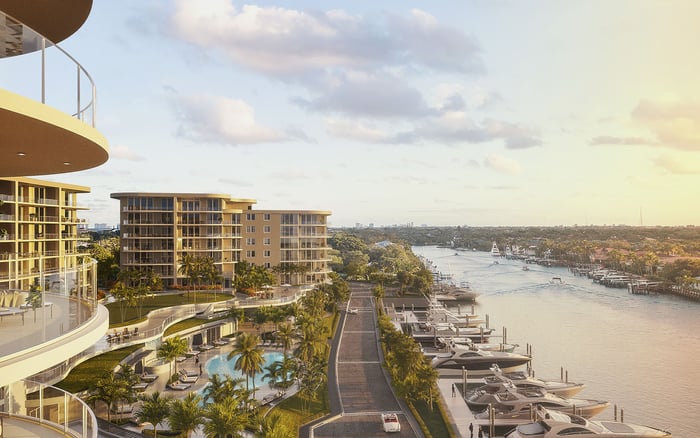
Seattle buyers considering new residences can compare Mr. C Residences West Palm Beach with The Ritz-Carlton Residences® West Palm Beach. The purpose of that comparison is not to select a brand in isolation, but to test each option against the buyer's own occupancy plan, preferred setting and ownership expectations.
A full-time home should support repeatable daily routines. Review the floor plan for work areas, practical storage, guest separation, privacy and the movement between living spaces. Consider how the residence will function during ordinary weeks rather than judging it only as a vacation setting.
The ownership format also deserves attention. A detached residence may require a plan for exterior care and oversight during travel. A condominium buyer should determine whether the building's operations, rules and services suit full-time occupancy. Those conclusions should come from current documents and direct due diligence.
A primary buyer may also want to assess adaptability. A room that works for occasional guests may need to serve as a regular office, while storage that appears adequate during a short visit may feel limited over a longer stay. Testing these details before purchase helps keep the decision connected to actual daily use.
A seasonal property should be evaluated around arrival, departure and the periods between visits. Buyers can ask how the residence will be secured, monitored and maintained while vacant, who will coordinate access when necessary and which responsibilities remain with the owner.
Condominium living may suit a lock-and-leave objective, but suitability remains building-specific. Review current governing documents, maintenance responsibilities, insurance requirements, disclosed assessments, financing considerations and leasing restrictions before relying on assumptions about convenience or flexibility.
Waterfront candidates such as Forté on Flagler West Palm Beach and Alba West Palm Beach can be assessed within the same disciplined framework. Compare the particular residence, view orientation, floor plan, condition, ownership costs and expected frequency of use rather than treating waterfront inventory as a single category.
If leasing flexibility matters, request current written information for the specific property and obtain appropriate professional guidance. Do not assume that one condominium's rules or practices apply to another.
First, model occupancy honestly. Short, concentrated visits may place greater weight on streamlined ownership, while extended stays can make storage, work areas and residential-scale layouts more important.
Second, compare complete ownership profiles. Place recurring obligations, property care and disclosed building matters alongside the purchase terms so that materially different options can be evaluated on a consistent basis.
Third, protect flexibility. Plans may evolve from seasonal use to full-time occupancy or in the opposite direction. Favor a residence capable of supporting the most plausible next chapter without depending on unverified income, assumptions about future rules or broad claims about the market.
The final choice should follow the intended lifestyle. A primary residence is the stronger fit when the property must carry the full rhythm of daily life; a second home is more appropriate when selective occupancy and a clear plan for absences define the brief.
What is the first decision for a Seattle buyer considering West Palm Beach? Decide whether the residence must support full-time routines or primarily shorter, seasonal stays.
How should buyers compare different property types? Group candidates by property type, location, condition and ownership structure, then compare their complete ownership profiles.
What should a primary-residence buyer prioritize? Focus on daily layout, work areas, storage, privacy, guest arrangements and year-round practicality.
What should a second-home buyer prioritize? Examine arrival logistics, security, maintenance, oversight and the responsibilities that continue during absences.
Is a condominium automatically suitable as a second home? No. Suitability depends on the specific building's documents, operations, costs, restrictions and the buyer's intended use.
What should buyers review before relying on rental flexibility? Request current governing documents and written information for the specific property, then seek appropriate professional guidance.
Why should waterfront residences be compared separately? Their settings, floor plans, view orientations, condition and ownership obligations can differ, so each candidate requires an individual review.
How can a buyer evaluate future flexibility? Consider whether the residence could accommodate longer stays, full-time use or more frequent absences without depending on unverified assumptions.
Should branding determine the purchase? No. A branded residence should still be tested against the buyer's occupancy plan, preferred setting, layout needs and ownership expectations.
What is the best way to shortlist comparable options for touring? Start with location fit, delivery status, and daily lifestyle priorities, then compare stacks and elevations to validate views and privacy.
When you're ready to tour or underwrite the options, connect with MILLION.
If branded residences are on your mind — as a home or as an allocation — we would be glad to share what we are seeing, privately.
Begin a quiet conversation