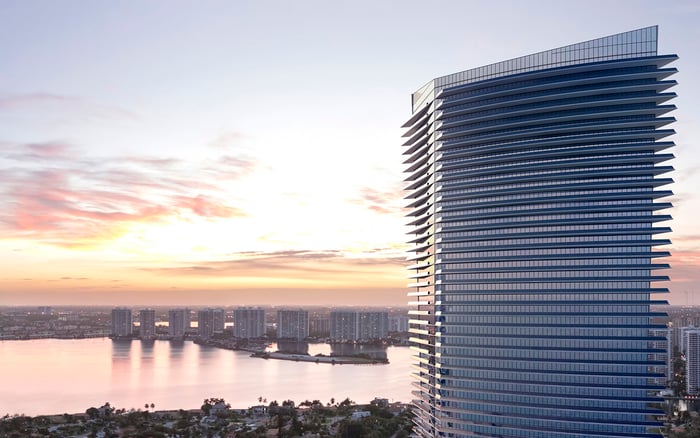
For yacht owners relocating from Austin, the Aventura residence and berth should be evaluated as one coordinated acquisition, with particular attention to vessel fit, live-aboard legality, marina rights, route constraints, and everyday crew access.
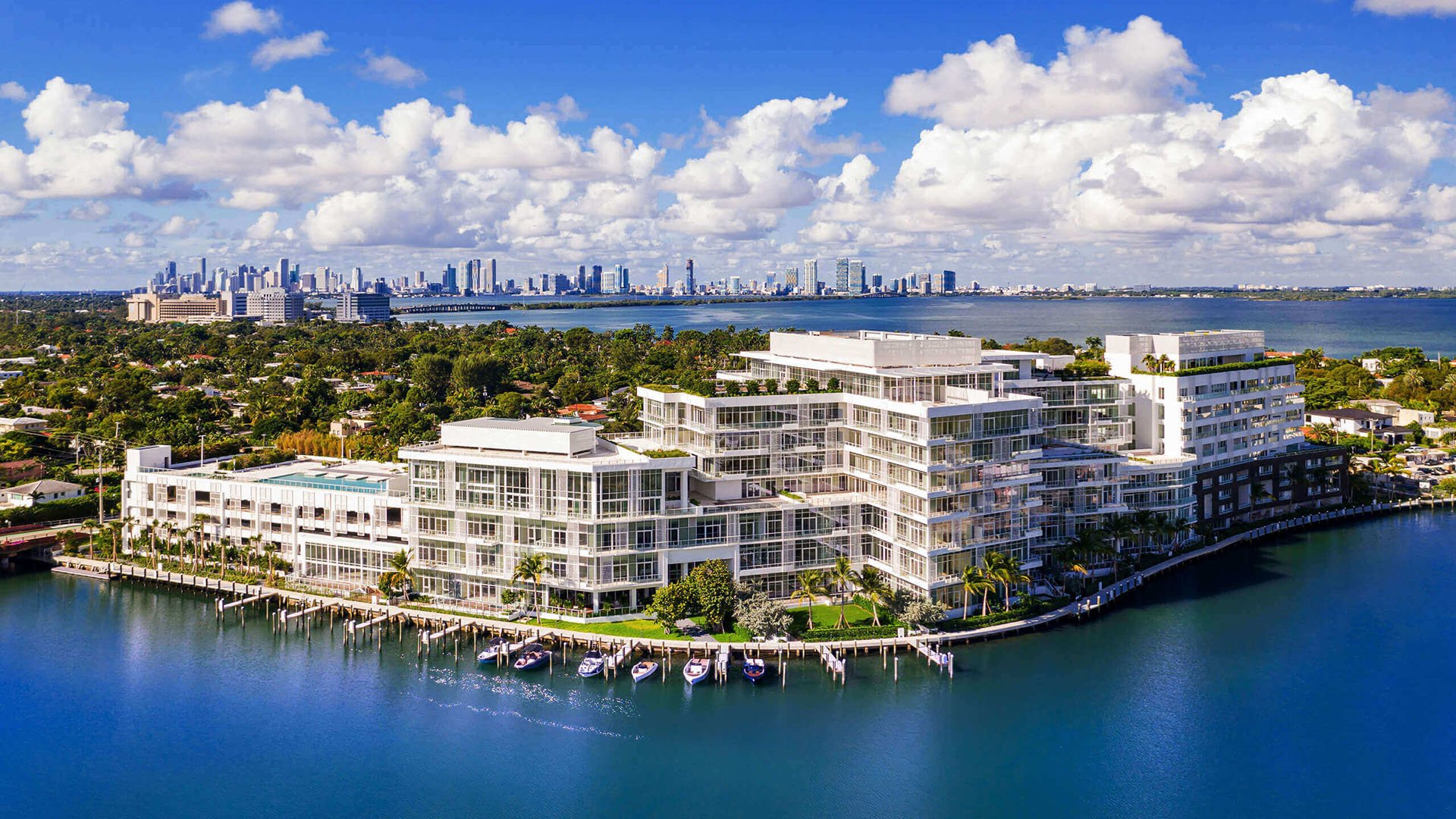
For an Austin household relocating to Aventura with a substantial yacht, the property search extends beyond the residence. The buyer must also understand the legal and operational relationship among the home, the berth, the vessel, and the people responsible for it.
A water view does not itself establish docking rights, and access to a residential slip should not be treated as confirmation that crew may stay aboard. Eligibility, vessel dimensions, utilities, transfer terms, rental rights, and access procedures can depend on separate marina and association documents.
The residence, berth, and crew plan should be resolved before either commitment becomes nonrefundable.
This is where an Austin-to-Aventura relocation differs from a conventional luxury move. The decision must account for waterfront living, marina access, boat-slip rights, private-community procedures, and vessel-specific due diligence as parts of one operating plan.
A residence and a berth may be governed by different agreements, approval processes, and operating rules. Buyers should determine whether a slip is deeded, assigned, licensed, leased, or offered only when available. They should also confirm whether residence ownership is required and whether the berth can be transferred, rented, renewed, or sold separately.
Live-aboard permission requires its own review. The presence of shore power, security, or other marina services does not establish that an owner or crew member may occupy the yacht overnight or on a continuing basis. Written confirmation should come from the parties responsible for the marina, association, and applicable legal review.
The diligence file should include the recorded property documents, marina agreement, association rules, insurance requirements, access procedures, and any approvals tied to the vessel. Verbal assurances should not substitute for language that can be reviewed before closing.
Aventura offers waterfront residential settings with differing relationships to dockage. Some residences may be associated with private slips, while others may require the owner to arrange dockage independently. A nearby marina can sometimes support the preferred residential choice, but the distance between home and yacht must work for the owner, captain, crew, contractors, and provisioners.
The comparison should focus on legal availability and daily usability rather than the visual proximity of a building to the water. Buyers should ask who controls the berth, who approves the vessel, what services are available, and what happens if the berth becomes unavailable.
The residential search can include Avenia Aventura while the yacht review proceeds as a parallel workstream. If the search expands to nearby Miami-Dade communities, Bentley Residences Sunny Isles and One Park Tower by Turnberry North Miami provide additional residential comparisons. In each case, the home should be assessed separately from any marina arrangement unless the governing documents expressly connect them.
Terms such as “ocean access” do not answer every navigational question. The captain should evaluate the complete route, the intended berth, and the yacht’s operating profile. That review should address length overall, beam, loaded draft, air draft, maneuvering room, tides, bridge considerations, and inlet conditions as applicable.
The berth review should also cover shore-power compatibility, utility metering, fueling logistics, sewage pump-out, hurricane procedures, haul-out options, storage, parking, insurance, deposits, fees, and maintenance access. These items affect whether a nominally suitable slip can function as a dependable operating base.
Measurements and approvals should be documented rather than inferred from marketing descriptions. The buyer should also determine whether a future replacement yacht would require a new approval or a different berth.
Crew access deserves the same precision as vessel fit. The buyer should determine whether captains, engineers, contractors, cleaners, provisioners, and delivery drivers can enter independently, obtain recurring credentials, park nearby, and reach the yacht without an owner escort.
Private-community and marina procedures may differ. The operating plan should trace the full path from arrival at the property to boarding the vessel, including tools, replacement parts, food, luggage, catering, and emergency response. Permitted working hours, advance notice, vendor insurance, sponsorship requirements, and temporary credentials should all be confirmed.
If crew cannot stay aboard, the owner may need a separate accommodation plan. That plan should account for travel time to the berth, early departures, late arrivals, emergencies, and the storage of personal or operational items. Solving crew housing after closing can create avoidable friction even when the residence and yacht berth otherwise work well.
When the yacht is central to the relocation, the residence and berth should be negotiated on compatible timelines. The buyer’s advisers can assess whether the residential commitment should depend on securing acceptable dockage and required approvals.
Berth documentation should align with the expected closing date, vessel specifications, ownership structure, insurance, and crew plan. The file should identify the controlling agreement, approval conditions, payment obligations, access rights, transfer provisions, renewal terms, and responsibilities during severe weather.
The captain can evaluate navigation, vessel fit, and daily operations. Real estate and maritime counsel can address the respective contracts, title questions, association documents, marina rules, and regulatory considerations. Insurance advisers can determine whether the proposed arrangement satisfies applicable coverage requirements.
A coordinated acquisition should include alternatives. The buyer should consider what happens if the preferred slip is unavailable, the vessel is not approved, live-aboard use is restricted, crew access proves impractical, or a later yacht does not fit.
A backup plan might involve another suitable marina, temporary dockage during the move, separate crew accommodation, or a residence selected for convenient access to more than one dockage option. The goal is not simply to secure a waterfront address; it is to create a reliable South Florida base for both household and yacht operations.
For an Austin owner accustomed to planning mobility by road, Aventura adds a marine transportation system shaped by waterways, private access, marina infrastructure, and vessel requirements. Evaluating the home and yacht plan together can produce a more coherent relocation and reduce the risk that one commitment undermines the other.
For discreet guidance on coordinating an Aventura residence with yacht and crew requirements, connect with MILLION.
If branded residences are on your mind — as a home or as an allocation — we would be glad to share what we are seeing, privately.
Begin a quiet conversationYes. Coordinating both decisions helps the buyer test whether the home, dockage, vessel, and crew plan work as one system.
No. Docking rights depend on the applicable property, marina, and association documents.
Not necessarily. Live-aboard permission should be verified in writing for the specific marina and berth.
Confirm length overall, beam, loaded draft, air draft, and any other dimensions required by the marina or route.
The captain should evaluate navigation, maneuvering, vessel dimensions, and operational suitability for the intended route and berth.
Review eligibility, approvals, transfer rights, renewal provisions, utilities, fees, insurance, access, and severe-weather responsibilities.
They determine whether crew, contractors, provisioners, and deliveries can reach the vessel efficiently under community and marina rules.
The owner may need separate nearby accommodation that supports the vessel’s operating schedule and emergency needs.
If the yacht is central to the move, the buyer’s advisers should evaluate an appropriate dockage contingency before the commitment becomes nonrefundable.
It gives the owner an alternative if the preferred berth is unavailable, unsuitable, or not approved for the vessel.