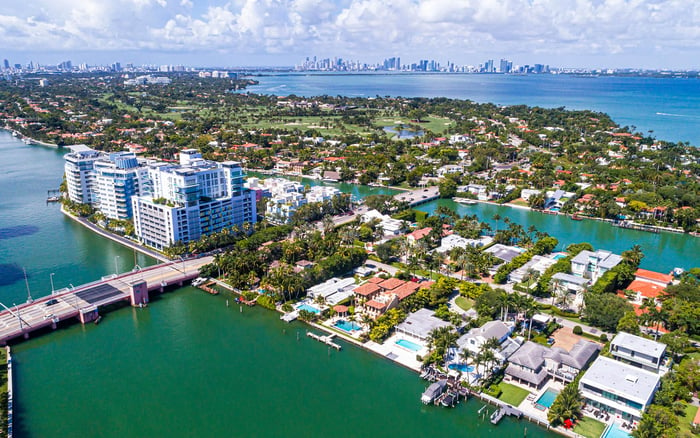
A refined waterfront purchase requires a close reading of seawall responsibility, site elevation, drainage, protected building systems, insurance, governance, and the surrounding public infrastructure.
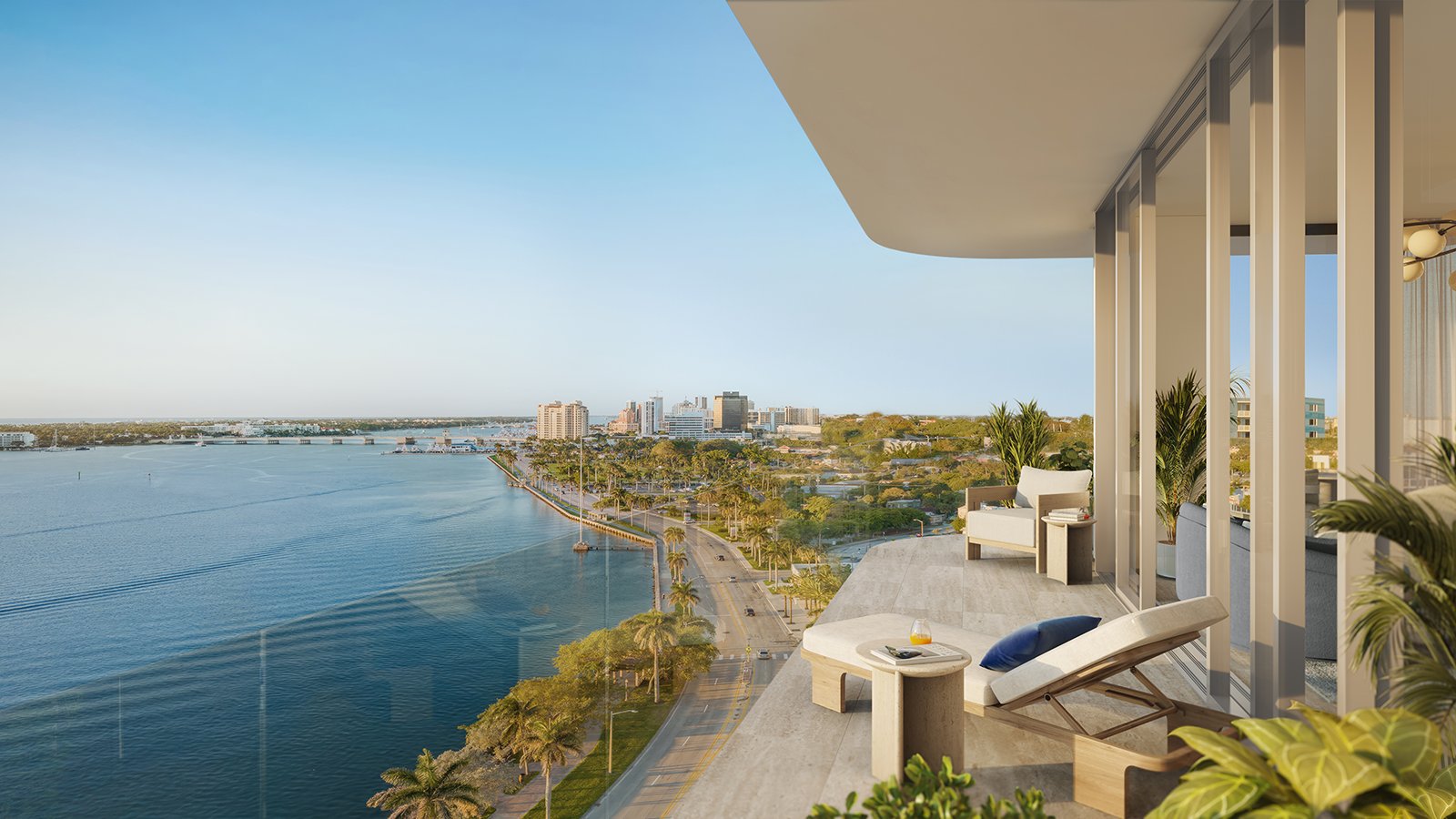
At The Ritz-Carlton Residences® South Beach, the waterfront setting is central to the appeal. Yet the same proximity to the water that creates its beauty also shapes the questions a discerning buyer should ask. Architecture, amenities, service, and brand remain important, but each belongs within a broader analysis of coastal exposure.
For an ultra-premium residence, resilience is not a single specification. It is an interconnected system encompassing the seawall, elevation, drainage, protected building equipment, insurance, condominium finances, and nearby public infrastructure. This is particularly relevant for second-home buyers, who may not be present when severe weather approaches or when access and utility conditions change.
The guiding principle is simple: waterfront value should be evaluated across the intended ownership horizon, not merely at the moment of purchase.
A seawall warrants more than a visual inspection from the promenade. Buyers should seek clarity on its current condition, maintenance history, expected remaining service life, and any anticipated repair or replacement plans. The relevant question is not simply whether a barrier exists, but how it is expected to perform and be maintained over decades.
Ownership and responsibility matter equally. Is the seawall privately maintained, publicly maintained, or subject to a more complex arrangement? Which entity can authorize work, and who ultimately pays? In a condominium, those answers may connect directly to reserves, budgets, assessment authority, and the timing of capital projects.
No brand name or water view should substitute for property-specific documentation. The same discipline should guide evaluations of branded residences throughout coastal South Florida.
Elevation should be examined at both the parcel and building levels. A general impression of Miami Beach cannot establish how water may interact with a particular site, entrance, garage, or occupied area.
Drainage belongs in the same analysis. Water may arrive through rainfall, surface flow, or subsurface pathways, so a seawall cannot be evaluated in isolation. Buyers should understand where water is intended to move, how it is removed, and which areas could remain vulnerable when multiple conditions occur together.
An elevation certificate, flood maps, engineering records, and available site documents can help a buyer and qualified advisers frame the analysis. The objective is not to reduce a complex coastal property to a single label, but to understand how the site's layers of protection work together.
The most consequential questions often concern spaces less visible during a polished tour. Entrances, garage access, mechanical systems, electrical equipment, and other critical infrastructure should all be reviewed for flood protection.
A residence can remain physically intact while daily life is interrupted. Inaccessible streets, utility outages, drainage constraints, and suspended services can affect habitability even when the private building performs as intended. Buyers should therefore consider both direct building exposure and indirect disruption.
This approach also applies when comparing other oceanfront options, such as The Perigon Miami Beach or Setai Residences Miami Beach. Each property should be evaluated on its own records, physical conditions, governance, and surrounding infrastructure.
Insurance is not merely a closing requirement. Availability, premiums, deductibles, exclusions, and coverage structure can materially influence the long-term cost of waterfront ownership. A buyer should review the association's insurance program alongside any coverage appropriate for the individual residence, with close attention to what each policy does and does not address.
Governance determines whether resilience planning can be translated into action. Reserve levels, maintenance schedules, decision-making authority, and the ability to levy assessments all affect how future work may be funded. Condominium documents, budgets, reserve studies, meeting records, and insurance policies can reveal whether responsibilities are clearly assigned.
For an investment purchase, this analysis also informs holding costs and the potential for future capital demands. For an owner-user, it speaks to continuity, comfort, and confidence.
Consistency makes comparisons more useful. A purchaser considering South Beach residences, including Continuum on South Beach, can apply the same sequence of questions to every candidate: seawall condition and responsibility, elevation, drainage, protected systems, insurance, governance, and public infrastructure.
The result is not a simplistic declaration that one waterfront property is safe and another is not. It is a clearer understanding of which risks have been identified, which protections are documented, who controls the response, and how future costs may be allocated. That is the level of inquiry appropriate to a significant coastal acquisition.
Before committing, buyers should coordinate the available engineering records, condominium documents, elevation information, flood mapping, reserve materials, and insurance terms. Legal, engineering, insurance, and financial advisers can then assess the documents within their respective disciplines.
The essential insight is that resilience has no single proxy. A new finish, celebrated name, or commanding panorama cannot answer questions about subsurface water, garage access, reserve capacity, or public streets. The strongest purchase decision connects those details into a cohesive, long-term ownership picture.
Why is the seawall central to waterfront due diligence? Its condition and maintenance planning influence how waterfront protection may perform across a multi-decade ownership horizon.
Who may be responsible for seawall repairs? Responsibility may be private, public, or governed by another arrangement, so buyers should confirm ownership and future funding obligations.
Can South Beach's general elevation describe a specific property? No. Elevation should be reviewed at the parcel and building levels rather than inferred from the broader neighborhood.
Why should drainage be evaluated with the seawall? Floodwater can arrive through rainfall, surface flow, or subsurface pathways, making drainage part of the same resilience system.
Which building areas deserve particular attention? Entrances, garages, mechanical systems, electrical equipment, and other critical infrastructure warrant careful review.
Can a protected building still face storm disruption? Yes. Inaccessible roads, utility outages, drainage problems, and interrupted services can affect access and habitability.
Which insurance terms matter beyond the premium? Buyers should examine availability, deductibles, exclusions, coverage structure, and premiums.
How does condominium governance affect resilience? Reserves, maintenance planning, decision-making authority, and assessment powers shape how protective work can be funded.
What documents can support a property-specific review? Relevant materials may include engineering records, condominium documents, elevation certificates, flood maps, reserve studies, and insurance policies.
What is the best way to compare waterfront residences? Apply the same framework to each property, evaluating seawalls, elevation, drainage, systems, insurance, governance, and public infrastructure together.
If you'd like a private walkthrough and a curated shortlist, connect with MILLION.
If branded residences are on your mind — as a home or as an allocation — we would be glad to share what we are seeing, privately.
Begin a quiet conversation