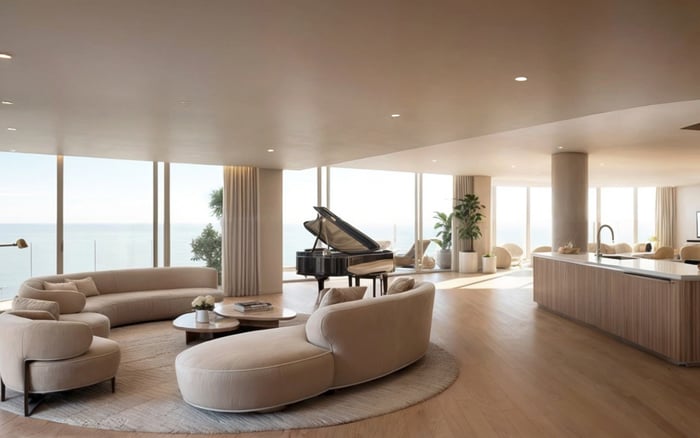
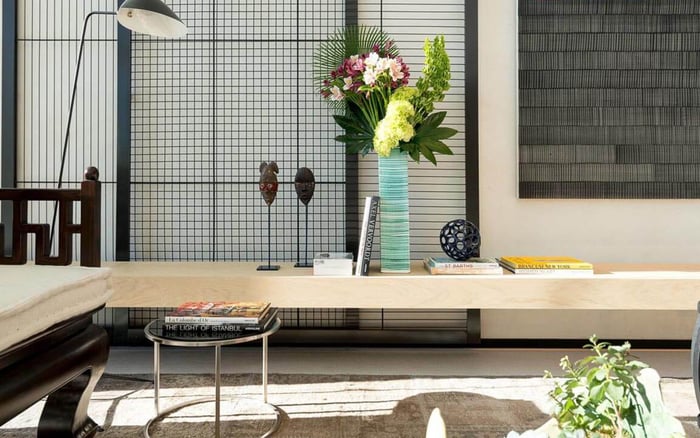
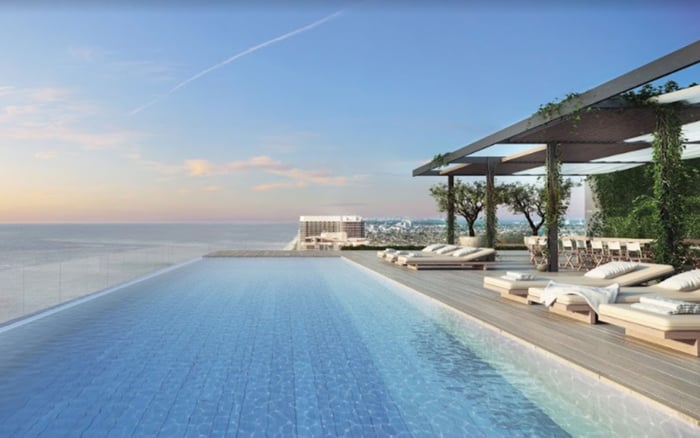
Rivage Bal Harbour’s proposed penthouse wellness features invite a more exacting kind of due diligence. Here is how buyers can distinguish specifications from measured performance, clarify residence-level scope, and secure a practical handover plan.
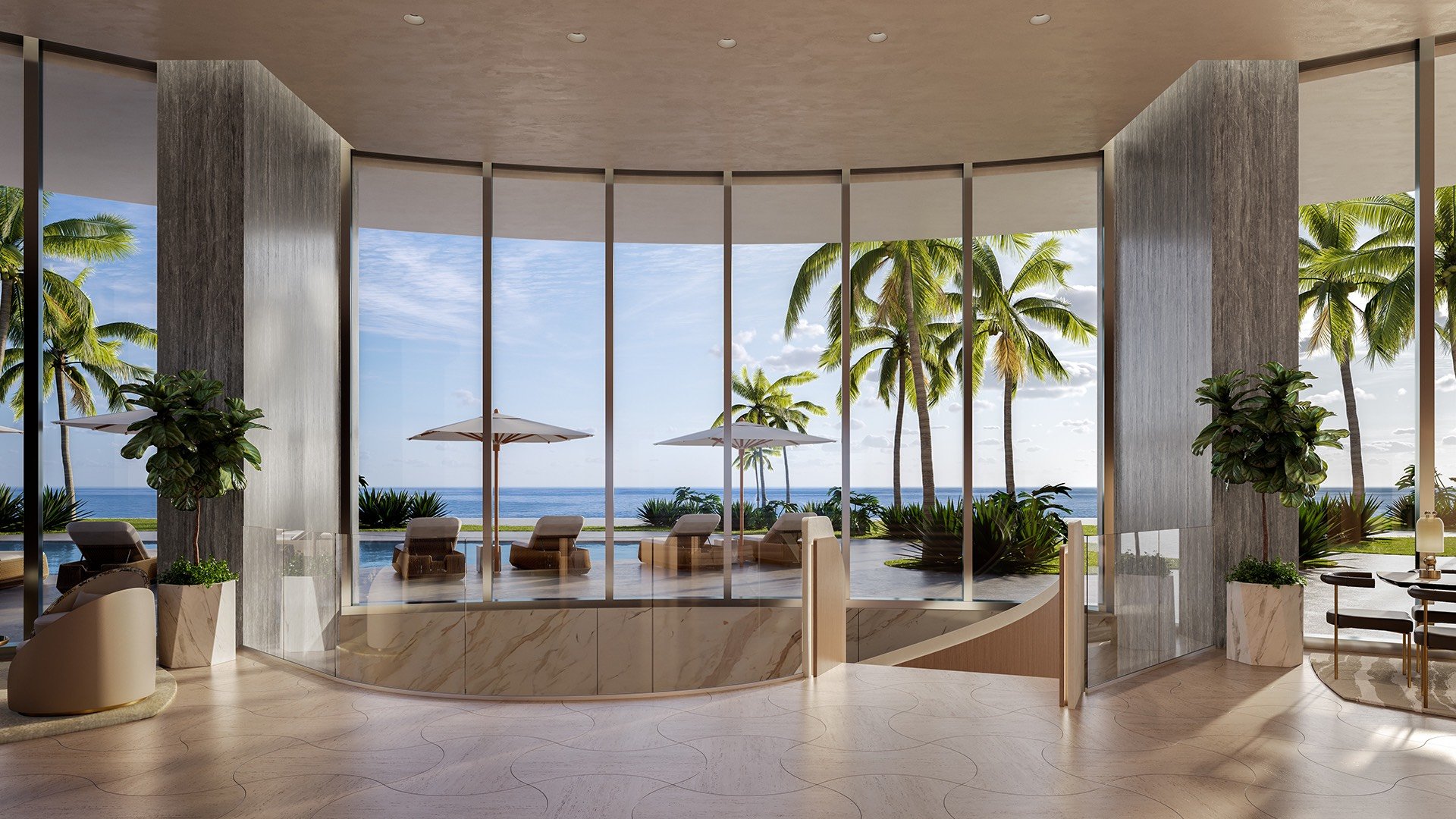
At Rivage Bal Harbour, the proposed wellness offering raises a precise question: what will a buyer be able to verify? The development is marketed as a 25-story, 56-residence oceanfront building at 10245 Collins Avenue, with a development team comprising Related Group, Rockpoint, and Two Roads Development.
Its advertised amenity program spans approximately 25,000 square feet, including a luxury spa and ocean-view fitness pavilion. Yet the most consequential questions about indoor wellness extend beyond the amenity tour. Air purification, water treatment, and lighting demand a different kind of evaluation from stone finishes or poolside service.
For a discerning purchaser, the objective is not to dismiss wellness language. It is to translate that language into a defined specification, evidence of performance, and an operating plan that remains clear after closing.
The first distinction is scope. Marketed claims for advanced air and water purification, circadian lighting throughout, and sleep-optimized bedrooms apply to the upper penthouse. They do not establish that every residence receives the same systems. Nor should proposed equipment be described as confirmed installations.
Buyers should request a written schedule divided into three categories: base-building infrastructure, standard residence equipment, and penthouse-specific upgrades. Each category should identify the spaces served, the equipment proposed, and whether the feature forms part of the purchase specification.
The shared spa program, including a hammam and plunge pools, belongs in a separate conversation. Those facilities establish nothing about drinking-water treatment inside a residence. Equally, a recovery suite or red-light therapy offering does not validate the air delivered to a bedroom.
That discipline also sharpens comparisons. A buyer considering Oceana Bal Harbour alongside Rivage should request residence-specific documentation for each, rather than assume that properties in the same market have equivalent systems.
For air systems, begin with the mechanical design rather than the adjective “advanced.” Ask for HVAC and ventilation drawings, equipment manufacturers and models, filter MERV ratings, and identification of any proposed HEPA stages. If UV-C or ionization devices are proposed, request their technical details as well.
These requests define a verification agenda; they do not indicate that Rivage has committed to any particular technology. The central question is what the selected residence is intended to receive.
Next, ask the project team to state its design targets and explain how independent commissioning will evaluate them. A useful handover testing brief would address particulate matter, carbon dioxide, volatile organic compounds, ozone, and humidity room by room. Request written test conditions and results tied to the residence, rather than a general equipment brochure.
Specifying a filter and demonstrating conditions in the finished home are separate steps. Buyers should seek both, along with an agreed process for investigating and correcting results that fall short of the written targets. Neither equipment specifications nor test results should be framed as a promise of improved health or sleep.
“Water purification” is incomplete as a purchase specification until its scope is clear. Ask which water supplier serves the property, what central treatment is proposed, and which in-unit treatment models are included. Then map those systems to the outlets they serve.
A drinking-water tap, shower, and bath are not interchangeable points of delivery. Buyers need written confirmation of whether treatment serves selected drinking taps only or extends to bathing fixtures. Shared pools and spa water should remain outside that potable-water discussion.
To assess performance, request accredited-laboratory testing at the relevant outlets for the contaminants the proposed equipment claims to reduce. Ask the technical team to tie the testing brief to those specific claims and explain how results will be evaluated.
A meaningful handover package should connect three things: the promised treatment, the installed model, and outlet-level evidence. Without that connection, a broad purification claim remains difficult to assess, however polished the presentation.
Rivage’s residence descriptions include travertine bathroom surfaces, marble countertops, and custom light fixtures. These are finish specifications, not evidence of circadian-lighting performance. Likewise, the upper penthouse’s advertised circadian lighting establishes a proposed feature, not a demonstrated biological outcome.
Ask for the tunable color-temperature range, scheduling strategy, and control platform. The documentation should explain which rooms and fixtures participate, how the programmed sequence operates, and what commissioning will confirm at delivery.
Before accepting the system, buyers should also request a demonstration of its programmed settings and controls. The aim is to reconcile the installation with the written lighting design, rather than accept the word “circadian” as a complete specification.
For purchasers also evaluating The Well Bay Harbor Islands, the same questions provide a consistent basis for comparison without assuming the projects use equivalent equipment. Design intent, installed functionality, and claimed health benefits should remain distinct categories.
Because these Rivage systems are proposed features, verification should proceed in stages. Before purchase, seek written scope, equipment schedules, and design targets. Before handover, request commissioning records and the agreed air, water, and lighting checks. At delivery, reconcile the installed equipment with the purchase-agreement specifications.
Ask for written confirmation of responsibility at each step. Who supplies the records? Who arranges testing? Who addresses discrepancies? A feature is easier to evaluate when the acceptance process is defined before the residence is ready.
Maintenance deserves the same attention. Request filter-replacement schedules, service responsibilities, consumable availability, and a clear division of obligations between building management and the owner. A private wellness specification should address practical upkeep, not simply initial installation.
The strongest buyer file would bring together the scope schedule, equipment details, commissioning records, outlet and room testing, lighting-control documentation, and maintenance responsibilities. These are recommended evidence requests, not confirmed Rivage delivery commitments.
Certification requires equal care. The publicly disclosed wellness descriptions do not establish WELL, Fitwel, or LEED certification. Buyers seeking these credentials should request documentation identifying the applicable scope and status, without assuming either certification or its absence.
Ultimately, the distinction is between a compelling proposition and a verifiable residence. Rivage’s proposed penthouse wellness features deserve evaluation on specific terms: what is included, what will be tested, and who will maintain it. That is how an ambitious specification becomes an informed purchase decision.
For a discreet perspective on South Florida residences and buyer due diligence, explore MILLION.
If branded residences are on your mind — as a home or as an allocation — we would be glad to share what we are seeing, privately.
Begin a quiet conversationThe marketed air purification, water purification, and circadian-lighting claims are associated with the upper penthouse. They do not establish equivalent systems in every residence.
They should be treated as proposed features rather than confirmed installed equipment. Buyers should reconcile the delivered systems with their written purchase specifications.
Request a written schedule separating base-building systems, standard residence equipment, and penthouse-only upgrades. It should identify the equipment and spaces served.
Ask for HVAC and ventilation designs, equipment models, filter MERV ratings, and details of any proposed HEPA, UV-C, or ionization components.
Request independent commissioning and room-by-room testing for particulate matter, carbon dioxide, volatile organic compounds, ozone, and humidity against written design targets.
No. Hammam and plunge-pool amenities do not establish treatment of potable water inside a residence.
Identify the treatment equipment and outlets served, then request accredited-laboratory testing for the contaminants that equipment claims to reduce.
No. Buyers should request the tunable color-temperature range, scheduling strategy, control platform, and commissioning records for the proposed lighting system.
The phrase describes an advertised specification, not a demonstrated sleep or health outcome. Buyers should evaluate the underlying equipment and controls separately.
The disclosed wellness descriptions do not establish any of those certifications. Request documentation of the applicable scope and status rather than assuming certification or its absence.