A collector’s pre-closing guide to Ziggurat Coconut Grove, separating condominium approval, technical wall capacity, municipal permitting, and vendor insurance before an installation is committed.
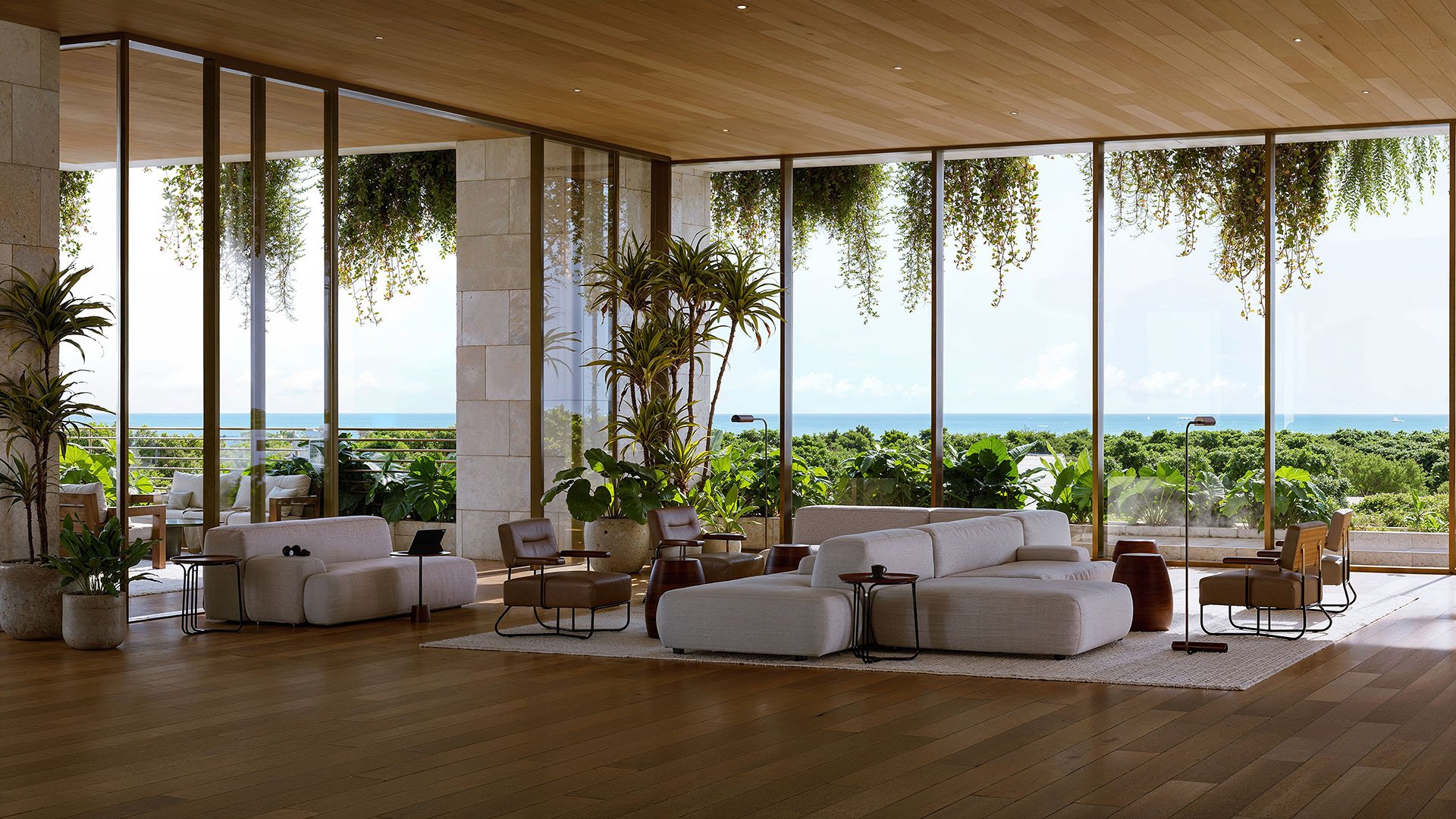
For a collector buying at Ziggurat Coconut Grove, the most consequential design question may be deceptively simple: can the intended work be installed exactly where-and how-the owner envisions? Resolve that question during the purchase review, not after an installer has unpacked the collection.
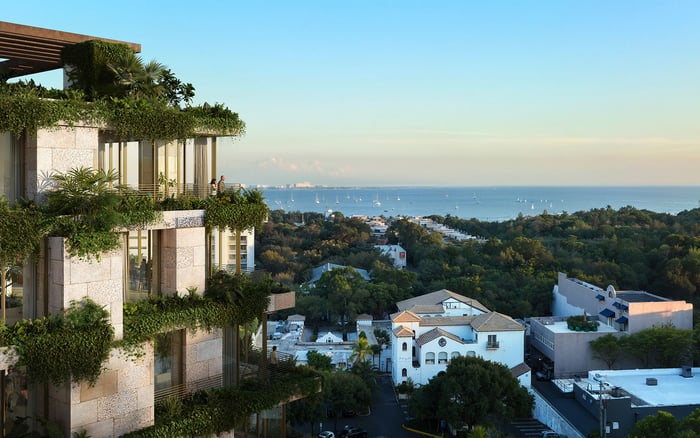
Ziggurat is a mixed-use condominium development at 3101 Grand Avenue in Coconut Grove, described as comprising 19 residences. Its developer is Coconut Grove Condo, LLC, a Delaware limited liability company. Those particulars establish the setting, not the installation permissions within an individual residence.
Unit-specific wall-loading limits, approved anchoring systems, art-installation procedures, vendor insurance limits, and elevator rules remain unresolved in this review. That is not evidence of a prohibition or a defect. It is a reason to obtain written, residence-specific answers before making the collection central to a purchase decision.
Three questions require separate answers: does the condominium permit the proposed work, can the relevant wall or support accommodate it, and does the installation require municipal authorization? A favorable answer to one does not settle the others.
A building permit does not replace condominium-association approval where that approval is required, nor does it authorize work that violates association rules. Conversely, an association’s acceptance of an installation is not a municipal determination about construction or electrical work.
Before closing, request the current governing documents and any applicable alteration or installation requirements. Confirm who can approve the proposed scope, what must be submitted, and whether the answer applies to the specific residence and artwork. A general assurance that residents may display art is not enough.
For buyers also considering Opus Coconut Grove, ask the same questions independently. An approval pathway established for one property should never be assumed to apply at another.
A visually suitable wall is not, by itself, a documented mounting surface. This review has not established a numerical wall-load allowance or an approved fastening system for Ziggurat. A universal weight threshold is therefore no substitute for unit-specific technical guidance.
Prepare an installation brief identifying each work’s dimensions, total installed weight, proposed location, and mounting approach. Include the frame, backing, brackets, and any other hardware in the information submitted for review. For projecting, suspended, or unusually heavy elements, ask a qualified technical professional what assessment is appropriate.
Request available drawings or written details for the intended wall, then have the installer and relevant professional assess the proposed anchoring method. Ask whether penetrations, concealed services, finishes, or structural components affect the design. These are diligence questions, not confirmed conditions at Ziggurat.
The useful deliverable is a documented installation solution tied to a specific location. If that solution remains unresolved, preserve flexibility in the layout rather than committing to a placement the residence has not yet been shown to accommodate.
Ordinary artwork hanging should not automatically be characterized as permit-required. The distinction lies in the work proposed. New electrical, plumbing, and mechanical work can raise permitting questions, including when an installation introduces integrated lighting or powered elements.
Ziggurat is within the City of Miami. Confirm installation-specific requirements with the city rather than treating general county requirements as a final answer for the residence.
Ask the city and the contractor who may obtain any required permit and whether a recorded Notice of Commencement is needed before inspections. Do not equate the artwork’s purchase price with the value of the installation work.
For a buyer evaluating Four Seasons Residences Coconut Grove alongside Ziggurat, a clearly defined installation scope offers a more useful comparison than a broad question about whether either residence is suitable for art.
A vendor insurance certificate belongs in the pre-installation file, but first identify the required coverage. Ziggurat’s vendor policy limits and additional-insured requirements remain unresolved in this review. Do not fill that gap with a presumed industry standard.
Confirm any applicable contractor licensing, documentation, and insurance requirements with the city and the contractor. Keep those requirements separate from the condominium’s own vendor insurance terms.
Ask the condominium’s authorized representative for its current written requirements, including required coverage categories, limits, additional-insured parties, and supporting documentation. Have the vendor’s insurance professional address those requirements and clarify whether its coverage applies to the proposed operations.
Separately, ask your insurance adviser how the collection is protected during transport, handling, and installation. The condominium’s acceptance of a vendor certificate should not be assumed to resolve every exposure involving the artwork. Keep insurance acceptance distinct from technical approval of the mounting design.
Elevator procedures remain an open diligence item, not a confirmed Ziggurat policy. Ask about reservations, delivery access, permitted work hours, protective measures, package dimensions, and any applicable deposits or charges. Obtain answers before committing to a delivery slot or installation team.
For oversized works, request a route assessment that accounts for packaging and handling equipment, rather than relying solely on the artwork’s finished dimensions. Clarify who coordinates access and who receives the installation documents.
Buyers comparing Park Grove Coconut Grove can use the same logistics review while obtaining that property’s requirements separately. The objective is not to rank buildings by assumed convenience, but to understand whether each residence supports the intended collection.
Before committing, organize four files: condominium permissions, technical mounting guidance, permitting determinations, and vendor insurance with delivery arrangements. For each pending answer, identify who must provide it and which decision depends on it.
If a particular installation is essential to the purchase, discuss with counsel how to address that dependency in the transaction. For permitted work, request passed-inspection documentation or an applicable Certificate of Completion or Occupancy before final contractor payment. Those certificates validate code compliance for the relevant completed project, not approval of every future installation.
The strongest purchase decision aligns the residence with the collection through documented permissions and a workable installation plan-not assumptions about either.
For a discreet perspective on South Florida residences and buyer priorities, explore MILLION.
If branded residences are on your mind — as a home or as an allocation — we would be glad to share what we are seeing, privately.
Begin a quiet conversationZiggurat is a mixed-use condominium development at 3101 Grand Avenue in Coconut Grove, Miami.
Ziggurat is described as comprising 19 condominium residences. That count does not establish installation permissions within any individual unit.
The developer is Coconut Grove Condo, LLC, a Delaware limited liability company.
Unit-specific wall-loading limits and approved anchoring systems remain unresolved in this review. Request technical guidance for the exact wall and proposed installation.
No. A building permit does not replace required condominium approval or authorize work that violates association rules.
This review does not establish an automatic permit requirement for ordinary artwork hanging. Confirm the actual scope with the City of Miami, particularly when construction or new electrical work is involved.
Confirm requirements with the City of Miami and the contractor responsible for the proposed work. General county requirements are not a substitute for an installation-specific municipal determination.
Vendor coverage limits and additional-insured requirements remain unresolved in this review. Obtain the condominium’s current written requirements before scheduling access.
Ask the City of Miami and the contractor whether the proposed installation requires a recorded Notice of Commencement before inspections. Do not equate the artwork’s purchase price with the value of the installation work.
Request documentation of passed inspections or an applicable Certificate of Completion or Occupancy. Keep those records separate from condominium approval and insurance documentation.