A buyer-focused review of the documents needed to evaluate wine-room storage, backup power, climate monitoring, and delivery handling at Mr. C Residences West Palm Beach.
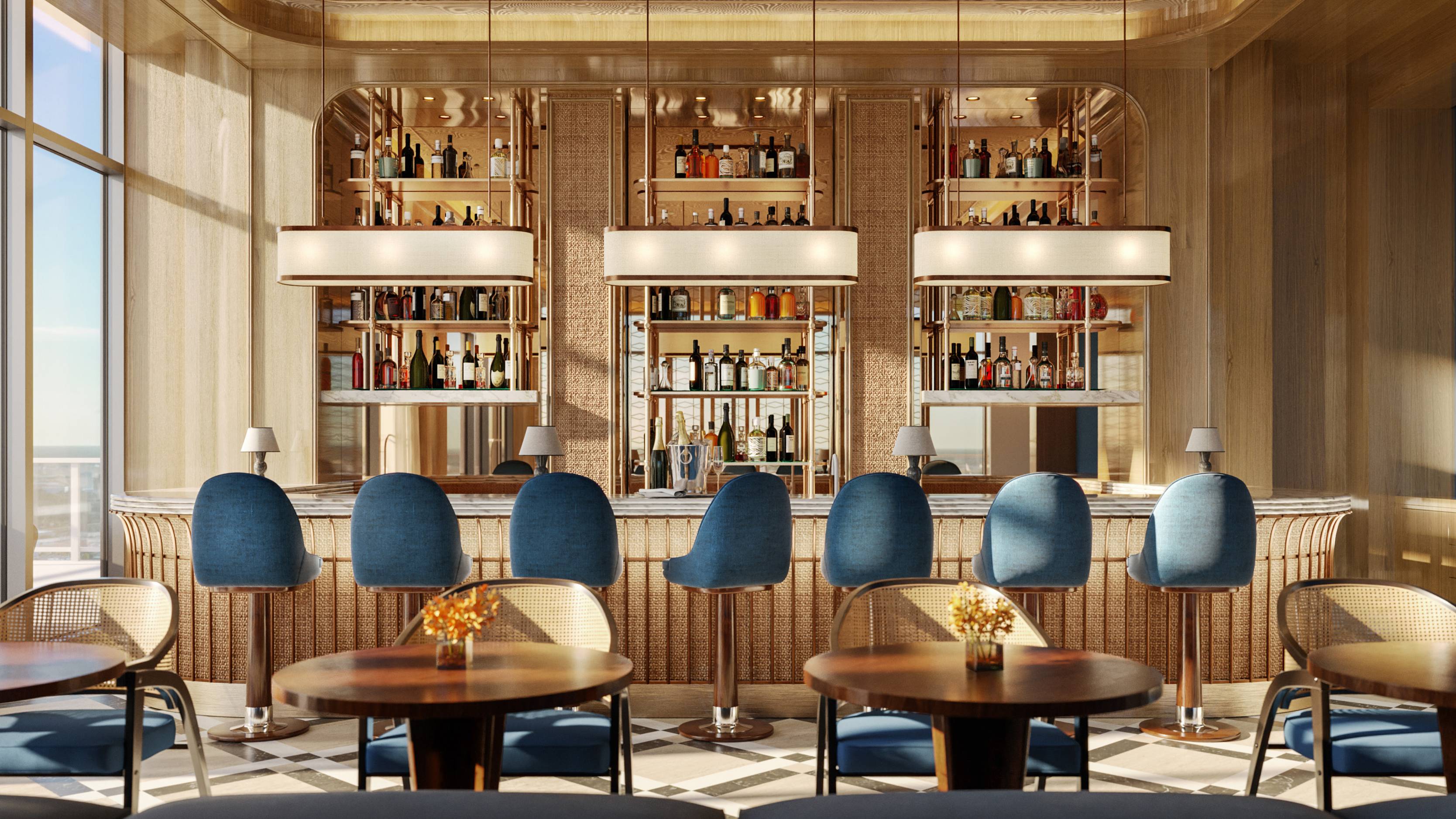
For a collector considering Mr. C Residences West Palm Beach, the most consequential questions may lie between a delivery's arrival and a bottle reaching the table. A private dining room and wine room are advertised amenities. Neither description alone establishes a managed-storage service or a commitment to protect an owner's collection.
That distinction is not a judgment on the property. It is the starting point for disciplined due diligence. Dedicated wine-room backup power, detailed delivery procedures, and historical climate readings remain undocumented in the public materials reviewed. This does not establish that equipment is absent, records do not exist, or an incident has occurred.
For a buyer who values discreet, dependable service, the objective is straightforward: establish which protections are documented, who is responsible for them, and whether those obligations support the intended use of the residence.
Begin with use rights, not refrigeration specifications. Whether the wine room accommodates owner collections, serves private dining, or operates under a managed-storage arrangement remains unconfirmed in public descriptions. So do private lockers, assigned storage cages, individual bottle inventories, and owner storage contracts.
Request written confirmation of room ownership, permitted use, communal versus private storage, access hours, and concierge control. If owner storage is available, ask how bottles are identified, who may retrieve them, and which agreement governs custody. A room suited to an evening's entertaining should not automatically be treated as a long-term collection solution.
If Alba West Palm Beach is also on the shortlist, apply the same use-rights questions rather than assuming that amenity descriptions represent equivalent services. Compare documented permissions and responsibilities, not the appeal of a room's name.
Dedicated generator backup, an uninterruptible power supply, and redundant refrigeration for the wine room remain unspecified in the project materials reviewed. Whether its climate control uses independent HVAC equipment or separate monitoring is also unconfirmed.
The inquiry should therefore go beyond whether the building has a generator. Request the generator one-line diagram and load schedule, together with written confirmation of the equipment served. Address refrigeration, climate sensors, monitoring controls, networking, and access controls individually.
Ask for fuel-duration assumptions and available transfer-switch test records. Have a qualified mechanical or electrical adviser assess what happens during transfer, whether an interruption requires manual intervention, and how equipment returns to normal operation. Ask separately about refrigeration redundancy: backup electricity and backup cooling equipment are different questions.
The goal is a documented operating sequence, not a general assurance. If protection depends on staff action, obtain the responsible role, response procedure, and fallback arrangement in writing before relying on it for a substantial collection.
The wine-room temperature setpoint, relative-humidity range, and permitted duration of climate excursions remain unspecified in the amenity descriptions reviewed. Sensor calibration schedules, alarm thresholds, and notification or escalation procedures are also undocumented there.
Request the intended temperature and humidity targets first, then seek available readings, alarm histories, maintenance logs, and corrective-action records. Twelve months of records, where available, is a useful scope for the request-not an assertion that such a history exists. If operations have not begun, seek commissioning records and a future reporting plan instead.
Read the records together. Ask how readings are captured, whether gaps are identified, who receives an alarm, and how responses are recorded. A specified target alone does not demonstrate that conditions remained within it.
The residences' advertised high-speed-internet prewiring and motorized-shade provisions do not establish dedicated in-residence wine-cellar monitoring. Buyers planning private storage should evaluate that installation separately, including its monitoring and power arrangements, rather than extend assumptions from the communal amenity.
Concierge-oriented and hotel-related services are described, but a detailed chain of custody for wine, perishables, alcohol, or high-value shipments remains undocumented in the materials reviewed. The receiving location, carrier access to residential floors, and photographic or electronic proof-of-delivery procedures are also unconfirmed.
Ask management to walk through a proposed delivery: where it arrives, who accepts it, how acceptance is logged, where it waits, and how the resident is notified. Request the written procedure supporting that explanation, including signature requirements and the treatment of visibly damaged packages.
Refrigerated package storage, maximum holding times, and after-hours arrangements remain unspecified in the materials reviewed. Treat these as explicit questions, not assumed extensions of concierge service. Confirm what happens when a delivery cannot be accepted or the resident cannot be reached.
For a buyer also considering Forté on Flagler West Palm Beach, use the same delivery scenario in both inquiries. This creates a consistent comparison without presuming either property's procedures or performance.
Seasonal ownership adds a practical question: who completes the handoff when the owner is away? Request rules for deliveries to vacant residences, authorization of a designated recipient, holding limits, and instructions for shipments arriving outside receiving hours.
Then examine the contractual allocation of risk. Liability for missing, damaged, delayed, or temperature-compromised deliveries is not allocated in the amenity materials reviewed. Have counsel review the purchase contract, declaration, association rules, service agreements, warranties, liability limits, and claim deadlines. Discuss relevant exclusions with an insurance adviser.
Keep storage and delivery obligations distinct. Permission to accept a package does not establish responsibility for maintaining its temperature or storing it indefinitely. Access to a wine room likewise does not establish insurance coverage for its contents.
Before relying on the amenity for a collection, assemble a concise decision file: permitted-use terms, equipment specifications, backed-up loads, climate targets, available monitoring records, delivery procedures, and governing agreements. Identify unresolved questions and the party expected to answer each.
For a substantial collection, independent advice on wine storage or mechanical and electrical systems may help determine whether the documented arrangement suits the intended use. Professional off-site storage is also worth comparing, particularly while access, operating procedures, or contractual protections remain unresolved.
The purchase decision need not turn on whether every preferred feature is offered. It should turn on whether the buyer understands what is offered, what remains unconfirmed, and which responsibilities are enforceable. Amenity marketing should not be treated as a technical warranty.
For a discreet perspective on your South Florida residential shortlist, connect with MILLION.
If branded residences are on your mind — as a home or as an allocation — we would be glad to share what we are seeing, privately.
Begin a quiet conversationYes, a private dining room and wine room are advertised. Those descriptions do not establish managed collection storage or verified operating performance.
Dedicated generator backup, an uninterruptible power supply, and redundant refrigeration are not specified in the reviewed materials. Their absence from those materials does not establish that they are unavailable.
The reviewed descriptions do not verify private lockers, assigned storage cages, bottle inventories, or owner storage contracts. Obtain written storage rights before planning to keep a collection there.
Request the generator one-line diagram, load schedule, fuel-duration assumptions, and available transfer-switch test records. Seek specific confirmation covering refrigeration, monitoring, networking, and access controls.
The reviewed amenity materials do not specify temperature setpoints, relative-humidity ranges, or permitted excursion durations. Ask for these parameters together with alarm thresholds and response responsibilities.
Request twelve months of temperature and humidity records where available, together with alarm and maintenance histories. If operations have not begun, request commissioning records and a future reporting plan.
No; advertised internet prewiring and motorized-shade provisions do not document dedicated in-residence wine-cellar monitoring.
Refrigerated package storage, holding limits, after-hours procedures, and signature requirements are not specified in the reviewed materials. Obtain the applicable receiving and handoff procedures in writing.
The reviewed amenity materials do not allocate that liability. Have counsel examine governing agreements, liability limits, and claim deadlines, and discuss coverage exclusions with an insurance adviser.
Professional off-site storage is worth comparing for a substantial collection, especially while operating protections remain unconfirmed. Independent storage or engineering advice can help assess the proposed arrangement.