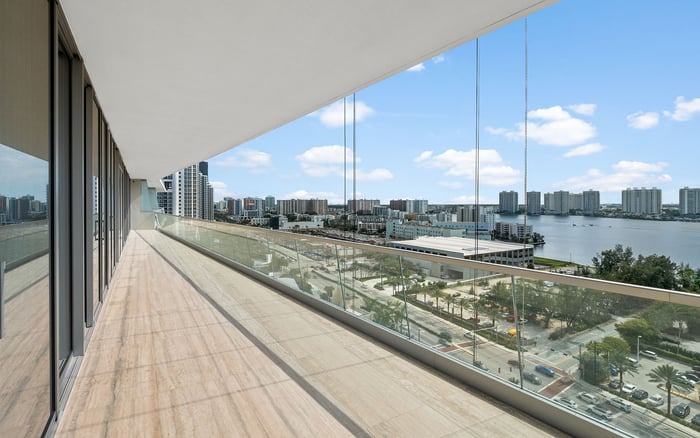
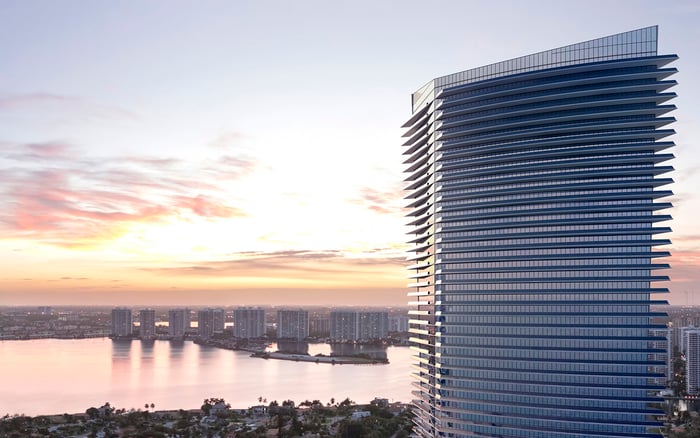
For seasonal owners in Aventura, resilience begins with three coordinated plans: accurate residency records, clearly assigned residence management, and written authority to act before a storm.
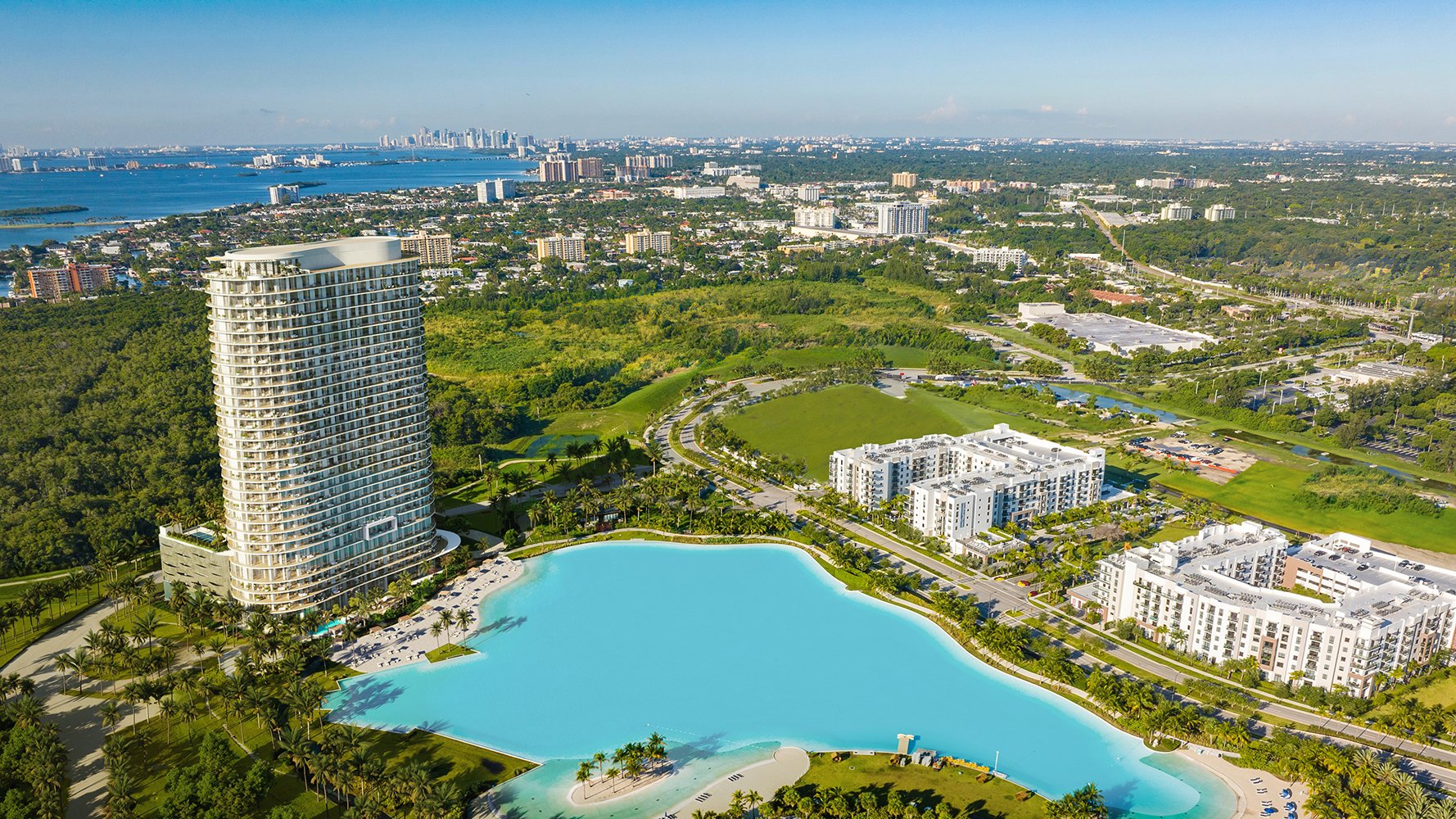
An Aventura residence should offer a graceful arrival, not a succession of unresolved decisions. For owners dividing their year among several homes, that ease depends on coordinating three calendars: personal occupancy, property-tax eligibility, and storm readiness. Each serves a distinct purpose. A travel ledger cannot substitute for a permanent-residence determination, and a management agreement should not be assumed to authorize every emergency action.
The objective is a residence that remains well managed while its owner is elsewhere, with responsibilities settled before time becomes scarce. Buyers considering Avenia Aventura can make these questions part of their ownership planning: who holds access, who receives notices, and who may approve protective work? These are due-diligence questions, not representations about the project's services.
Keep the answers in a single ownership file, while maintaining a clear distinction between tax evidence and operational instructions. Resilience depends as much on clear authority as on physical preparation.
The tax question here is Florida property-tax homestead eligibility, not federal tax residency or another jurisdiction's day-count rules. There is no universal 183-day shortcut for this analysis. Days spent in Aventura should be recorded accurately, but they are not the sole homestead test.
Eligibility depends on the property being the owner's permanent residence or the permanent residence of a legally or naturally dependent person. January 1 is the statutory reference date for ownership and permanent-residence status for the relevant tax year. Permanent residency is a factual determination initially made by the property appraiser, not an automatic benefit of purchasing a Florida home.
Relevant evidence can include declared domicile, voter registration, driver's license, vehicle registration, tax filings, utility use, mailing address, and the location of dependents. The practical priority is consistency: maintain records that truthfully reflect how the residence is used. A meticulously organized file cannot, by itself, turn seasonal use into permanent residence.
The standard application deadline is March 1 of the tax year, using Form DR-501 submitted to the county property appraiser. Owners with obligations elsewhere should have their advisers assess those rules separately rather than repurpose the homestead analysis.
Before an extended absence, consider a written handover covering access credentials, emergency contacts, active contractors, insurance contacts, and unresolved maintenance. Assign one lead contact and a backup so responsibility does not fall between the owner, household staff, and outside vendors.
A useful inspection record identifies when a visit occurred, what was checked, what changed, and which issues require approval. Agree on the inspection cadence with the residence manager and review any relevant policy conditions. There is no universal inspection interval to prescribe here; frequency should be established for the particular residence and arrangement.
For buyers also weighing One Park Tower by Turnberry North Miami, the same management questions belong in the comparison. Ask what support would be contractually included and what would require a separate appointment. Do not infer private residence-management responsibilities from a project's name or positioning.
Close the handover by confirming that the responsible people have accepted their roles, not merely received an email.
The Atlantic hurricane season runs from June 1 through November 30. Seasonal travel plans should account for that full window, with preparations made before departure rather than deferred until a forecast demands immediate decisions.
A written storm protocol is an operational recommendation, not a universal Aventura authorization form. Consider having counsel and the management team define its scope, including:
Who may enter the residence and which vendors may receive access.
Which protective actions are approved in advance, subject to building rules.
What spending requires owner consent and who serves as backup approver.
How decisions, expenses, photographs, and unresolved issues will be recorded.
Make any spending authority explicit; do not assume a standard emergency limit. Distinguish authorization to protect the property from authority to undertake substantial repairs. Include an escalation path when the owner cannot be reached, without granting ambiguous permission to do whatever seems necessary.
Safety remains the boundary. Miami-Dade County retains primary responsibility for hurricane evacuation, including emergency evacuations. Private instructions must not be treated as permission to disregard official directions or require staff to remain in unsafe conditions. Plan post-storm access around safety and applicable restrictions.
For a condominium owner, the private plan should align with the association's procedures. Ask management to clarify access arrangements, vendor permissions, communications, and the division between unit-level tasks and building-level actions. Obtain that clarification before relying on a private contractor to perform storm work.
A comparison extending into Sunny Isles Beach, including Turnberry Ocean Club Sunny Isles, calls for the same discipline. The relevant question is not whether a residence feels fully serviced, but which responsibilities are actually assigned in the governing documents and service agreements. No particular project's storm capabilities should be assumed.
Consider sharing an agreed contact sheet among the owner, designated representative, and building management. A contractor's telephone number is useful; confirmation that the contractor can be admitted and is authorized for the intended task is more useful still.
Aventura participates in the National Flood Insurance Program, making flood insurance available for homes, condominiums, apartments, and commercial buildings, including properties that have never flooded. Properties in designated flood-hazard areas with certain federally backed mortgages generally require flood insurance.
Standard homeowners insurance does not cover flood damage. Separate flood coverage therefore warrants its own review, rather than being treated as an assumed component of a broader insurance package. Ask an insurance adviser to explain what the proposed coverage protects and how it relates to any condominium coverage.
Physical preparation and insurance solve different problems. Written authority may enable timely protective action, but it does not establish coverage. Likewise, an insurance policy does not appoint someone to inspect the residence, document conditions, or communicate with building management.
Resilience also belongs in renovation planning. In Aventura, qualifying improvements or reconstruction totaling 50% or more of a building's market value within one year can trigger flood-resistant requirements applicable to new construction. Owners should clarify how that threshold applies before approving a substantial scope of work, especially where private work intersects with building-wide projects.
Potential flood-protection measures include regrading, small floodwalls, waterproofing, watertight door closures, and elevation above the applicable flood level. These are options for professional assessment, not interchangeable solutions for every residence. Confirm feasibility, permissions, and responsibility before selecting an intervention.
A well-coordinated ownership plan brings the calendars back together: accurate residency evidence, a documented departure handover, and storm authority that is clear, limited, and understood. The result is not a promise of immunity, but a more deliberate way to own.
Explore South Florida residences with an ownership perspective at MILLION.
If branded residences are on your mind — as a home or as an allocation — we would be glad to share what we are seeing, privately.
Begin a quiet conversationNo. Florida property-tax homestead eligibility depends on permanent-residence facts and multiple indicators, not a universal 183-day test.
January 1 is the statutory reference date for the relevant homestead tax year. Ownership alone does not establish eligibility.
The standard deadline is March 1 of the tax year. Form DR-501 is submitted to the county property appraiser.
Evidence can include declared domicile, voter registration, driver's license, vehicle registration, tax filings, utility use, mailing address, and the location of dependents. The property appraiser initially determines permanent residency.
The official Atlantic hurricane season runs from June 1 through November 30. Seasonal owners should coordinate departures and management arrangements with that window.
No. Flood damage requires separate coverage, so owners should review flood protection independently of their standard homeowners policy.
Yes. Aventura's participation in the National Flood Insurance Program makes flood insurance available for eligible property types, including properties that have never flooded.
Consider defining access, approved protective actions, spending authority, backup decision-makers, and documentation. This is a recommended operational framework, not a universal Aventura form or spending limit.
Miami-Dade County retains primary responsibility for hurricane evacuation, including emergency evacuations. Private residence-management instructions should not conflict with official directions.
Yes. Qualifying improvements or reconstruction totaling 50% or more of a building's market value within one year can trigger flood-resistant requirements applicable to new construction in Aventura.