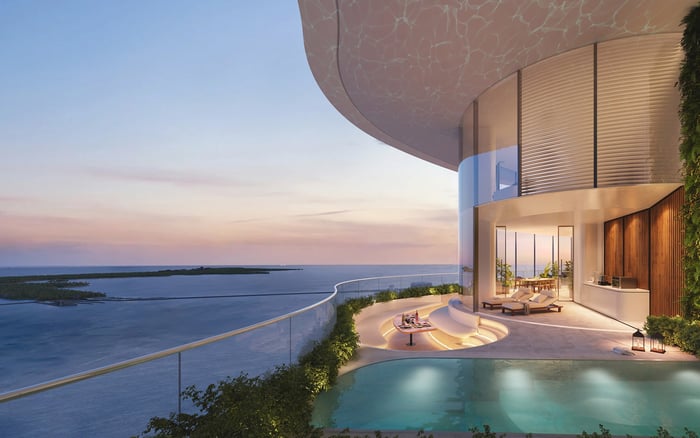
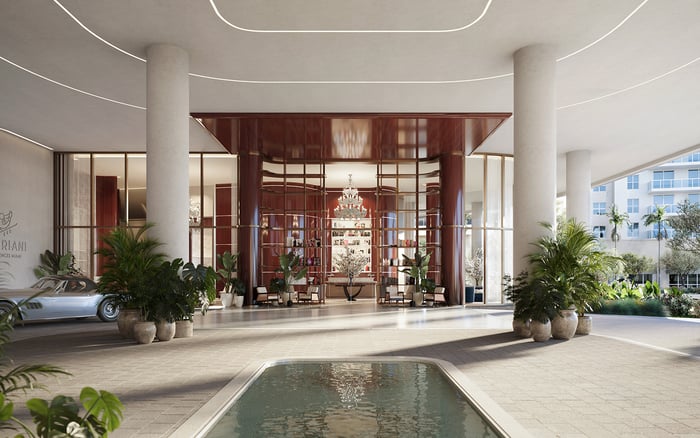
A buyer-focused framework for comparing orientation, elevation, obstruction risk, daily usability, and relative scarcity when reserving a premium residence line.
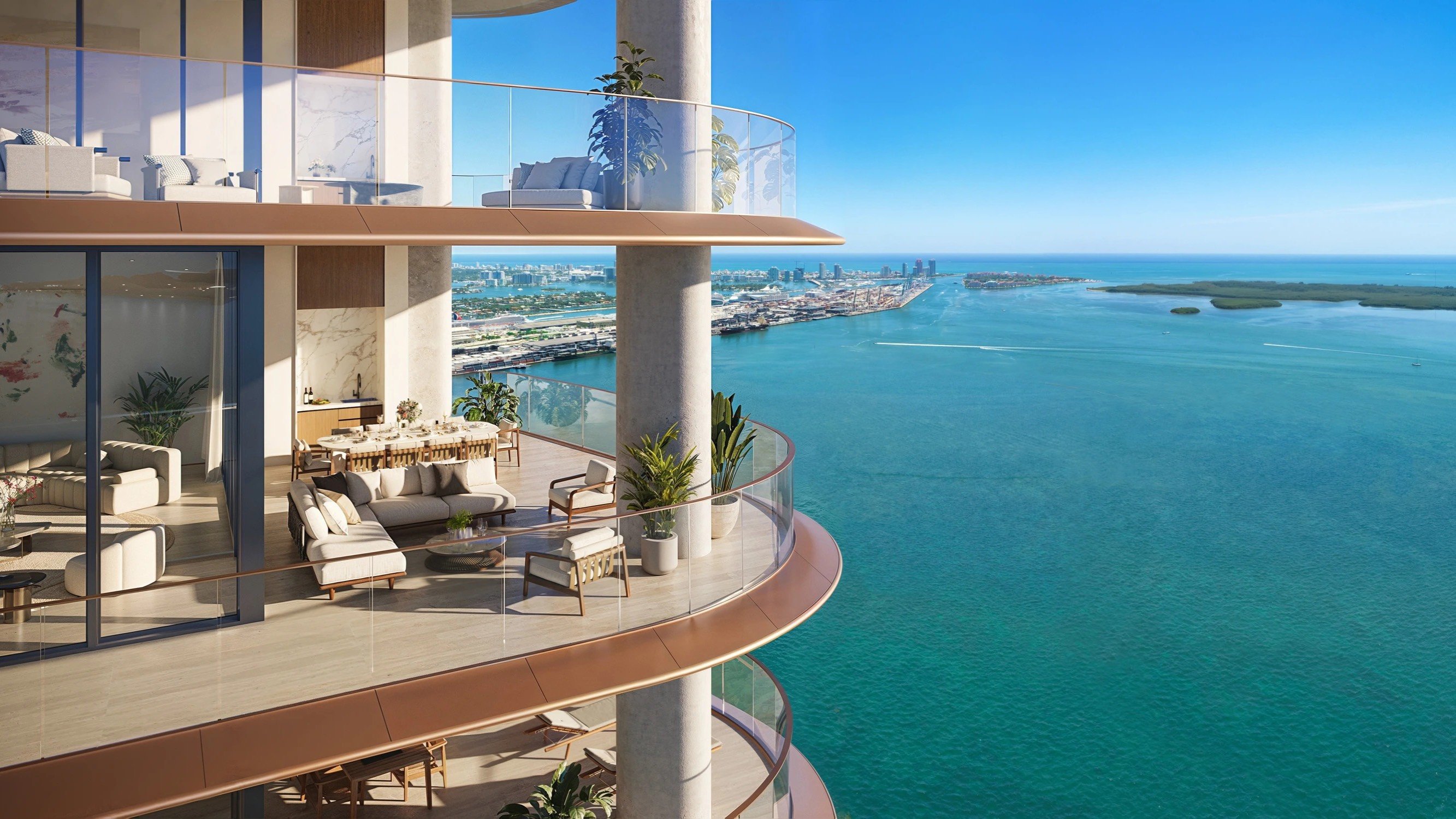
At The Residences at Mandarin Oriental, Miami, buyers evaluating a reservation should look beyond the floor plan and study the line: the vertical stack of residences sharing a similar orientation and view geometry.
The objective is not simply to select the most dramatic presentation. It is to determine which outlook is attractive, usable, and comparatively difficult to reproduce or interrupt. That requires evaluating what is visible, how the sightline is framed, and which assumptions support its perceived value.
Break each outlook into distinct elements rather than relying on a broad marketing label. Water, horizon, skyline, foreground open space, and views between structures can contribute differently to visual appeal, privacy, and durability.
A wide viewing cone should be assessed differently from a narrow angle that relies on a gap between buildings. For a mixed composition, identify which element supports most of the premium and whether that element remains visible from the rooms and terraces that matter most.
Renderings can help illustrate intent, but buyers should compare them with current plans and floor-specific materials. Any conclusion about a corridor should remain conditional until the relevant documents and sightlines have been reviewed.
Elevation should not be evaluated in isolation. Compare multiple floors within the same line, then compare competing lines at similar elevations. This can clarify whether the price difference appears tied to height, orientation, layout, or the point at which a specific obstruction is cleared.
Review both total price and price per square foot when figures are available. Total price shows the capital commitment, while price per square foot can help normalize residences of different sizes. Neither measure alone isolates the value assigned to the outlook.
The most useful benchmark is the nearest credible alternative-the residence a rational buyer would select if the preferred line were unavailable. Comparing only the favored line with a materially different option can exaggerate or obscure the apparent premium.
Scarcity should be evaluated at the level of the individual sightline. A compelling outlook is not automatically protected, and a premium should not rest solely on current conditions.
Review the viewing cone and investigate the parcels, structures, and potential changes that could affect it. Relevant diligence may include architectural plans, floor-specific renderings, sightline studies, ownership records, applicable development controls, approved plans, and redevelopment potential. Buyers should rely on qualified professionals for document interpretation and verification.
Comparisons with The Residences at 1428 Brickell and Una Residences Brickell can help frame alternatives without assuming that one setting or view type is universally superior. The purpose is to compare how each candidate residence derives its appeal and which assumptions affect that appeal.
A view premium should reflect how the residence functions throughout the day. Consider light, glare, heat, privacy, terrace comfort, and the relationship between neighboring balconies and interior glass lines. Evaluate the outlook from living areas, bedrooms, and outdoor spaces, including seated and standing positions.
A skyline-oriented outlook may be experienced differently by day and night, while a water-oriented view may place greater emphasis on foreground openness. A mixed outlook may offer variety, but its value still depends on how effectively the layout frames each component.
Brand identity and service may influence a buyer's overall comparison, but they do not replace residence-specific diligence. Buyers considering other branded options may also review The Residences at Mandarin Oriental Boca Raton while assessing each residence on its own orientation, elevation, layout, and sightline conditions.
Score each candidate line across five categories: current visual quality, viewing-cone breadth, dependence on existing gaps, benefit from elevation, and difficulty of replication. Adjust the weighting to reflect intended use and personal priorities.
Next, document the assumptions behind each score. Separate what is shown in current project materials from what depends on neighboring conditions or future outcomes. This makes it easier to identify where additional diligence is needed before a reservation decision.
Finally, compare the preferred line with the closest realistic substitute. A defensible premium should reflect the combined value of the residence, its daily usability, and the relative resilience of its outlook-not the view label alone.
What is a premium residence line? It is a vertical stack of residences with a generally consistent orientation and similar view geometry across floors.
Which view components should buyers evaluate? Separate water, horizon, skyline, foreground open space, and views between structures rather than treating them as one category.
Is the highest floor automatically the best value? No. Height should be considered alongside orientation, layout, sightline breadth, and the conditions affecting the viewing cone.
How should elevation be compared? Review several floors within one line and then compare competing lines at similar elevations to identify what may be driving the premium.
Why does the width of a viewing cone matter? It helps buyers distinguish an expansive outlook from a narrow angle that depends heavily on a specific gap or foreground condition.
How should buyers assess a mixed water-and-city view? Identify which component carries most of the appeal and confirm how both elements are framed from the principal rooms and terraces.
What materials can support view diligence? Buyers may review current plans, floor-specific renderings, sightline studies, and relevant property or development records with qualified professionals.
How can buyers compare line premiums? Consider total price and price per square foot, then measure the preferred line against the nearest credible alternative.
Does branding eliminate view risk? No. Brand identity does not replace analysis of a residence's orientation, elevation, layout, and sightline assumptions.
What makes a view premium more defensible? A stronger case combines present appeal, daily usability, a broad or well-framed outlook, and fewer assumptions about surrounding conditions.
If you'd like a private walkthrough and a curated shortlist, connect with MILLION.
If branded residences are on your mind — as a home or as an allocation — we would be glad to share what we are seeing, privately.
Begin a quiet conversation