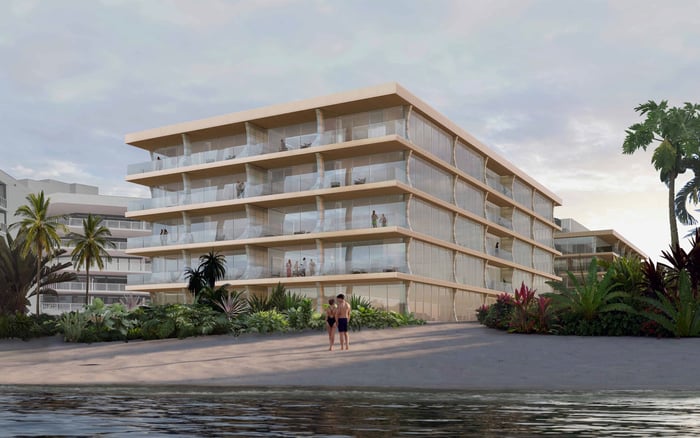
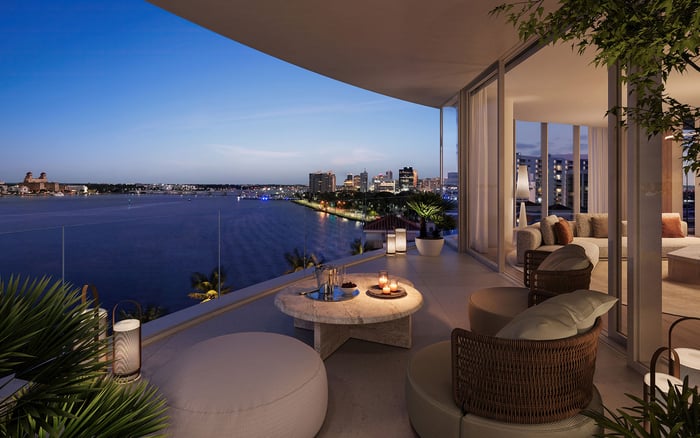
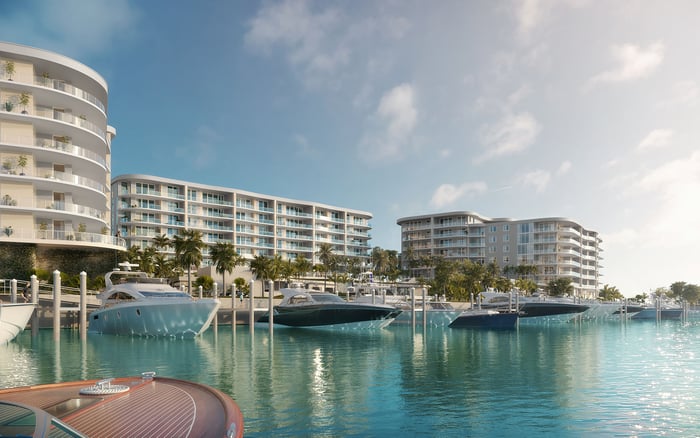
A disciplined framework for comparing Shorecrest residence lines by orientation, elevation, view durability and the long-term scarcity of defensible outlooks.
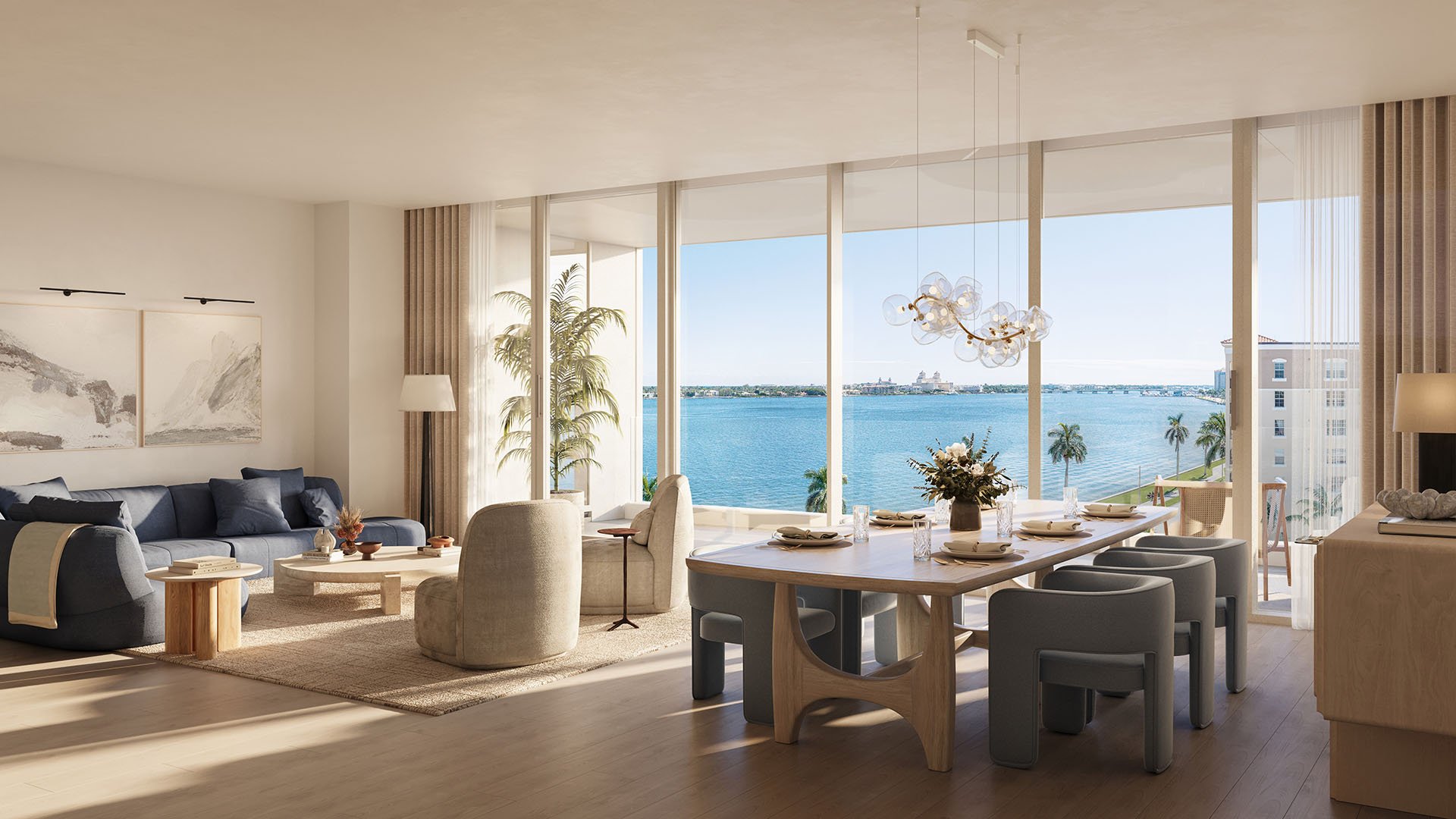
At Shorecrest Flagler Drive West Palm Beach, residence selection should begin with a careful review of orientation and outlook. The instinct to prioritize the highest available floor is understandable, but elevation alone does not define a premium line. A lower residence with a broad, defensible corridor may offer stronger long-term value than a higher home whose outlook depends on a narrow angle across a developable parcel.
A useful hierarchy begins with direction, view width, viewing angle and exposure to potential obstruction. Floor level then refines the analysis. Interior square footage, terrace configuration, finishes and parking remain important, but they should not distract from an attribute that cannot be renovated later: the outlook itself.
For buyers evaluating West Palm Beach real estate, this distinction is especially relevant. A durable view may influence future buyer interest and resale liquidity independently of residence size.
For any line under consideration, buyers should determine what is visible from the primary living spaces, how broad the panorama feels when seated and whether structural elements interrupt the sightline. A stated orientation does not automatically establish the quality or durability of a view.
West-facing lines require a distinct calculation. Buyers can weigh sunset light and city-skyline exposure against the practical redevelopment potential of parcels within the view cone.
North- and south-facing lines can be highly site-specific because their outlooks may depend on the location, height and future use of neighboring land. Corner residences warrant particular attention because multiple exposures can reduce dependence on a single corridor. That redundancy may provide greater view resilience, even when one direction is less dramatic.
A nearby low-rise building is not proof of a permanent view. Buyers should investigate parcel ownership, applicable zoning, development rights and pending applications. The key question is not simply what stands there today, but what could legally and practically stand there in the future.
Before reserving, request the current stacking plan, survey, recorded easements and written confirmation of the residence’s floor and orientation. Marketing renderings can illustrate intent, but they are not evidence that a view will remain unobstructed. Neighboring-parcel zoning and active development applications should be reviewed directly.
A view may merit a larger premium when surrounding parcels have limited legal or practical capacity for taller construction. Conversely, an impressive outlook across land with substantial redevelopment potential should be priced with that uncertainty in mind. For waterview buyers, this is the difference between purchasing scenery and evaluating scarcity.
The cleanest approach is to compare the residence with waterfront homes of similar elevation, orientation and protection from future development. Price per square foot is a useful starting point, not a conclusion. Adjustments should account for floor height, terrace geometry, exposure, finishes, parking and the breadth of the usable view.
Nearby projects can help define the comparison set without implying that every residence is equivalent. Buyers may examine Forté on Flagler West Palm Beach, South Flagler House West Palm Beach and The Ritz-Carlton Residences® West Palm Beach as local reference points. The purpose is not to equate the offerings, but to isolate how the market may distinguish height, direction and view protection.
A disciplined comparison should separate the premium attributable to the interiors from the premium attributable to the corridor. If two otherwise similar residences differ materially in outlook, the buyer can estimate what is being paid for water, width and durability rather than accepting a single blended price.
Long-term scarcity is strongest when a desirable view is both visually compelling and difficult to replicate. The first quality is experiential; the second is analytical. Buyers should consider how many residences share the same orientation, whether alternate lines offer comparable panoramas and how exposed each corridor is to future construction.
This is where reservation strategy becomes more precise. Rank the available choices by defensibility first, then compare elevation and layout within the strongest group. If a corner line offers two meaningful exposures, assess whether that flexibility justifies its premium. If a higher floor merely extends the view without materially widening or protecting it, the incremental cost may be harder to defend.
The governing principle is simple: reserve the line whose most valuable attribute is least replaceable. At Shorecrest, identifying that line requires a careful review of each corridor and the parcels that may affect it.
Is the highest floor always the best choice at Shorecrest? No. A lower residence may offer better value when its view corridor is wider or more defensible.
How should buyers compare different orientations? Review what is visible from the primary rooms, the width of the outlook and the potential for future obstruction.
What should buyers examine in a west-facing line? Consider sunset light, skyline exposure and the possibility of future urban development within the view corridor.
Why can north- and south-facing views require more diligence? Their quality and durability may depend heavily on neighboring parcel location, height and redevelopment potential.
Can an existing low-rise property guarantee a permanent view? No. Ownership, zoning, development rights and pending applications require separate review.
Why might a corner residence command a premium? Multiple exposures may provide greater view resilience than a home dependent on one narrow corridor.
Which documents should be requested before reserving? Request the current stacking plan, survey, recorded easements and written confirmation of floor and orientation.
How should a view premium be benchmarked? Compare waterfront residences with similar height, orientation and protection from future development, then adjust for other material differences.
Should marketing renderings be treated as proof of a lasting view? No. Renderings do not establish legal or practical protection from future obstruction.
Can a defensible view affect resale performance? A scarce, durable corridor may support buyer appeal and liquidity independently of interior square footage.
For a tailored shortlist and next-step guidance, connect with MILLION.
If branded residences are on your mind — as a home or as an allocation — we would be glad to share what we are seeing, privately.
Begin a quiet conversation