For Manhattan buyers establishing a Downtown Miami residence, effortless ownership starts with explicit responsibilities. Separate association management from private absence care, document hurricane-protection duties, and agree on a safe, authorized post-storm access plan before leaving town.
For a Manhattan buyer establishing a home in Downtown Miami, the most valuable service may receive the least attention during a showing: knowing precisely who looks after the residence when its owner is elsewhere. An impeccably staffed arrival does not, by itself, establish a private-unit inspection program, a storm-preparation commitment, or permission for an outside representative to enter.
The distinction is not whether Miami management is more proactive than Manhattan management. It is where the association’s responsibilities end and the owner’s arrangements begin. Florida condominium law does not generally require periodic inspections of unoccupied units. Association access rights for necessary maintenance and damage prevention are not a standing obligation to conduct wellness checks.
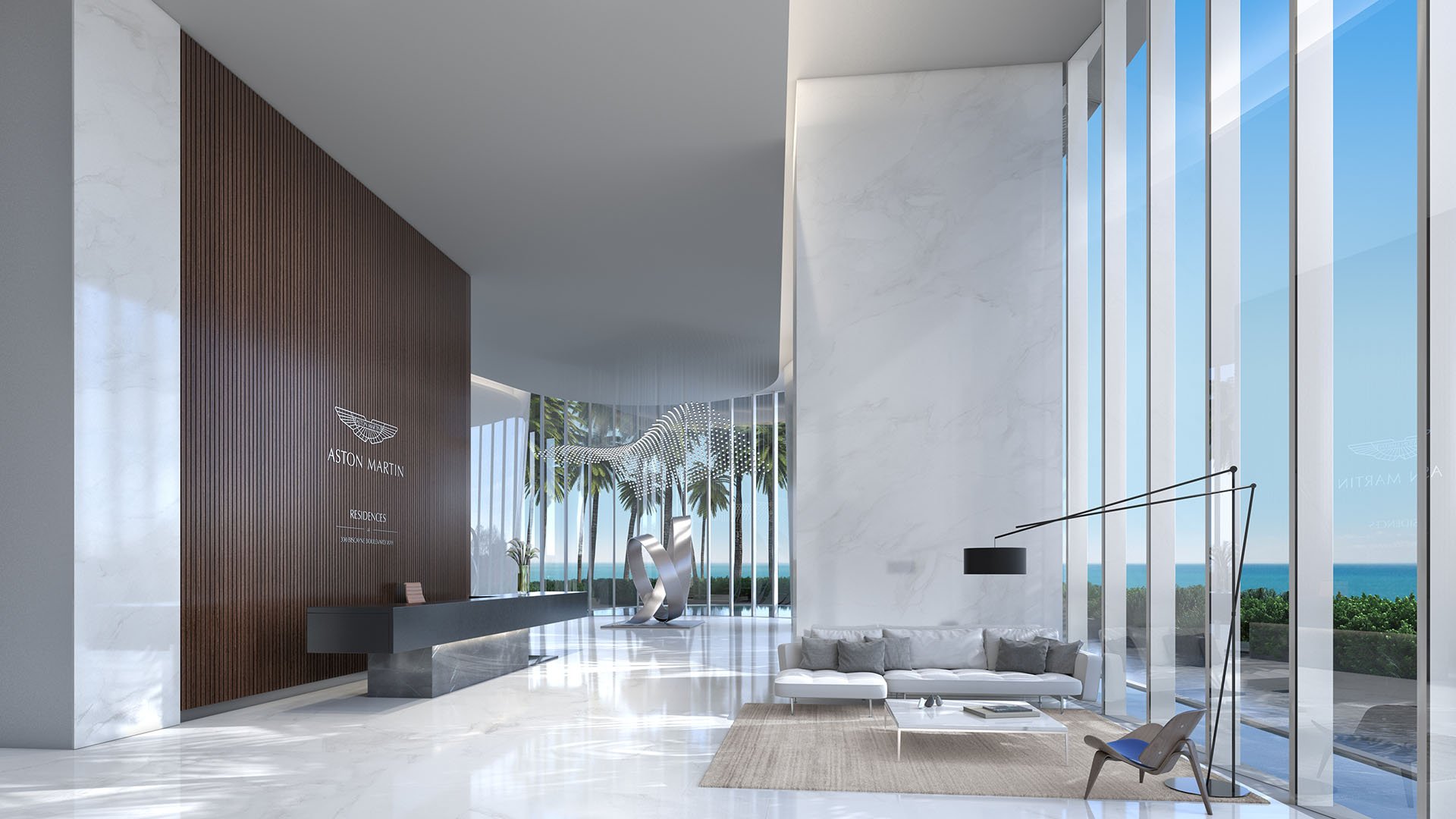
When considering Aston Martin Residences Downtown Miami, make the operational review as deliberate as the floor-plan review. Ask what is included, what requires a separate agreement, and who can authorize action when you are unavailable.
A property-management package can combine hurricane preparedness with tenant placement, rent collection, repairs, and financial administration. That combination may suit a rental investment, but it does not establish adequate care for a privately occupied residence. Choose for the work you need, not the package name.
Ask each candidate to put the following in writing:
The tasks included for a non-rented high-rise unit, with a proposed visit schedule.
The evidence delivered after visits, including dated photographs and exceptions requiring attention.
Who performs the work, who provides backup, and how access is coordinated with the building.
The spending authority, emergency escalation sequence, exclusions, and additional charges.
Request evidence of relevant qualifications and insurance appropriate to the proposed work; do not assume every provider offers the same protections. Ask how the firm handles competing storm-preparation requests and what happens if building access closes before a visit. A clear limitation is more useful than an expansive promise with no defined scope.
Routine access should align with the condominium’s governing documents and the owner’s authorization. A private service agreement is not a substitute for the access arrangements the building requires.
For a purchase at One Thousand Museum Downtown Miami, request the applicable procedures rather than assuming a particular level of service from the address. Identify the primary representative, an alternate, the permitted purpose of entry, and the process for updating authorizations. Keep association emergency access distinct from scheduled private visits.
Build a departure checklist around the actual residence. Discuss plumbing adjustments, approved hurricane-protection preparation, securing outdoor items, and reopening tasks where applicable. Have the provider distinguish observation from repair: noticing a condition does not necessarily mean the visitor is authorized or qualified to correct it.
Finally, define the communication chain. Specify who receives an urgent alert, when the alternate is contacted, and what the provider may approve without reaching you. The objective is continuity without ambiguity.
Florida condominium declarations must allocate responsibility for installing, maintaining, repairing, and replacing hurricane protection between owners and the association. That protection can include shutters, impact glass, code-compliant windows and doors, and other qualifying systems. It is not synonymous with shutters alone.
Start with the protection actually serving the unit, then read how the governing documents allocate responsibility. Ask who operates any deployable system, who verifies its condition, and who documents completion. Association authority to operate association-installed protection is not a guarantee that every residence has such protection.
If Casa Bella by B&B Italia Downtown Miami is on your shortlist, apply the same document-based review. Do not infer a particular system or service commitment from branding. Have counsel prioritize current statutory requirements and the specific declaration over older general explanations.
Florida law provides a process for associations to require owner-installed protection, including a majority ownership vote and a recorded certificate specifying the installation deadline. Request any applicable requirements and deadlines. Noncompliance with declaration or association-rule requirements can leave an owner responsible for resulting damage not covered by insurance.
Convert “hurricane service” into a task sheet. Depending on the residence and building rules, proposed work might include deploying or verifying shutters, securing balcony items, and checking relevant drainage conditions. Do not import a detached-home checklist into a tower without confirming which tasks apply and who controls the equipment.
Set the activation trigger, booking procedure, completion evidence, and access limitations before a storm threatens. Ask whether preparation begins automatically under the agreement or requires a separate instruction. Establish how unfinished tasks will be communicated if conditions or building restrictions prevent completion.
For buyers evaluating Waldorf Astoria Residences Downtown Miami, the question is contractual: what storm work, if any, is expressly included for the private residence? Keep association duties, private-provider commitments, and owner obligations on one responsibility sheet. Leave no task assigned merely to “management.”
Do not assume a universal Downtown Miami re-entry timetable or credential requirement. Establish who authorizes access, whether a private representative may enter, and how the building will communicate restrictions. Private authorization should never be treated as overriding official restrictions or building safety controls.
Separate permission to enter from readiness to occupy. Ask how the building will communicate any limitations affecting arrival, access, or essential services. Your representative’s first assignment should be an authorized condition assessment-not a promise that the residence will be ready for your flight home.
Agree in advance on photographs, a concise condition summary, immediate notifications, and the approval route for mitigation. Under applicable statutory emergency conditions, associations can arrange debris removal and mold mitigation, including removal of wet interior materials. Emergency powers may also permit work normally assigned to owners when necessary to prevent further damage or contagion.
The association’s master policy is not comprehensive coverage for everything inside the residence. Personal property and specified interior items, including floor coverings, cabinets, and appliances, fall outside its required property coverage. Review your own policy alongside the declaration with qualified advisers.
For non-insurable damage, repair responsibility follows the applicable maintenance provisions rather than automatically matching an insured-loss allocation. Qualifying emergency powers can also permit special assessments and borrowing without the owner approval otherwise required by governing documents. Account for those possibilities when setting emergency spending authority and available funds.
Before your first extended absence, assemble the declaration, access authorizations, service scope, insurance contacts, and storm instructions in one accessible file. Effortless ownership rests on explicit responsibilities.
For a considered approach to your Downtown Miami search, explore MILLION.
If branded residences are on your mind — as a home or as an allocation — we would be glad to share what we are seeing, privately.
Begin a quiet conversationFlorida condominium law does not generally require periodic inspections of unoccupied units. Owners should confirm any building-provided service and arrange private absence care where needed.
No. Statutory access rights for necessary maintenance and damage prevention do not create a standing obligation to conduct private-unit wellness checks.
Not necessarily. Ask whether the written scope covers your non-rented residence, including scheduled visits, departure preparation, and emergency communication.
Check the governing documents and building procedures, then establish the required owner authorization. Identify a primary representative and an alternate before leaving town.
The condominium declaration must allocate installation, maintenance, repair, and replacement responsibilities between owners and the association. Confirm the allocation for the protection actually serving your unit.
No. Qualifying protection can also include impact glass, code-compliant windows and doors, and other qualifying systems.
Failure to comply with applicable declaration or association-rule requirements can make an owner responsible for resulting damage not covered by insurance.
Do not assume a universal Downtown Miami timetable. Confirm authorization, building access procedures, and applicable official restrictions before entry.
No. Personal property and specified interior items, including floor coverings, cabinets, and appliances, fall outside the association’s required property coverage.
Under applicable statutory emergency conditions, associations may arrange mitigation and certain work normally assigned to owners when necessary to prevent further damage or contagion.