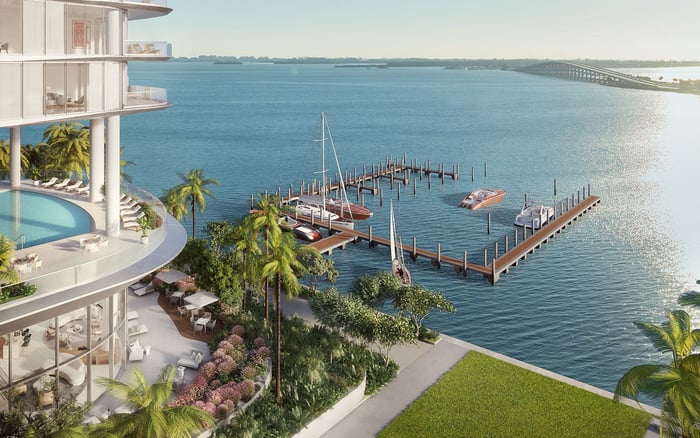
A Houston-to-Key Biscayne move deserves two coordinated plans: one for the residence and another for the yacht. Berth eligibility, delivery arrangements, local crew coverage, and hurricane readiness should shape the first year before the vessel arrives.
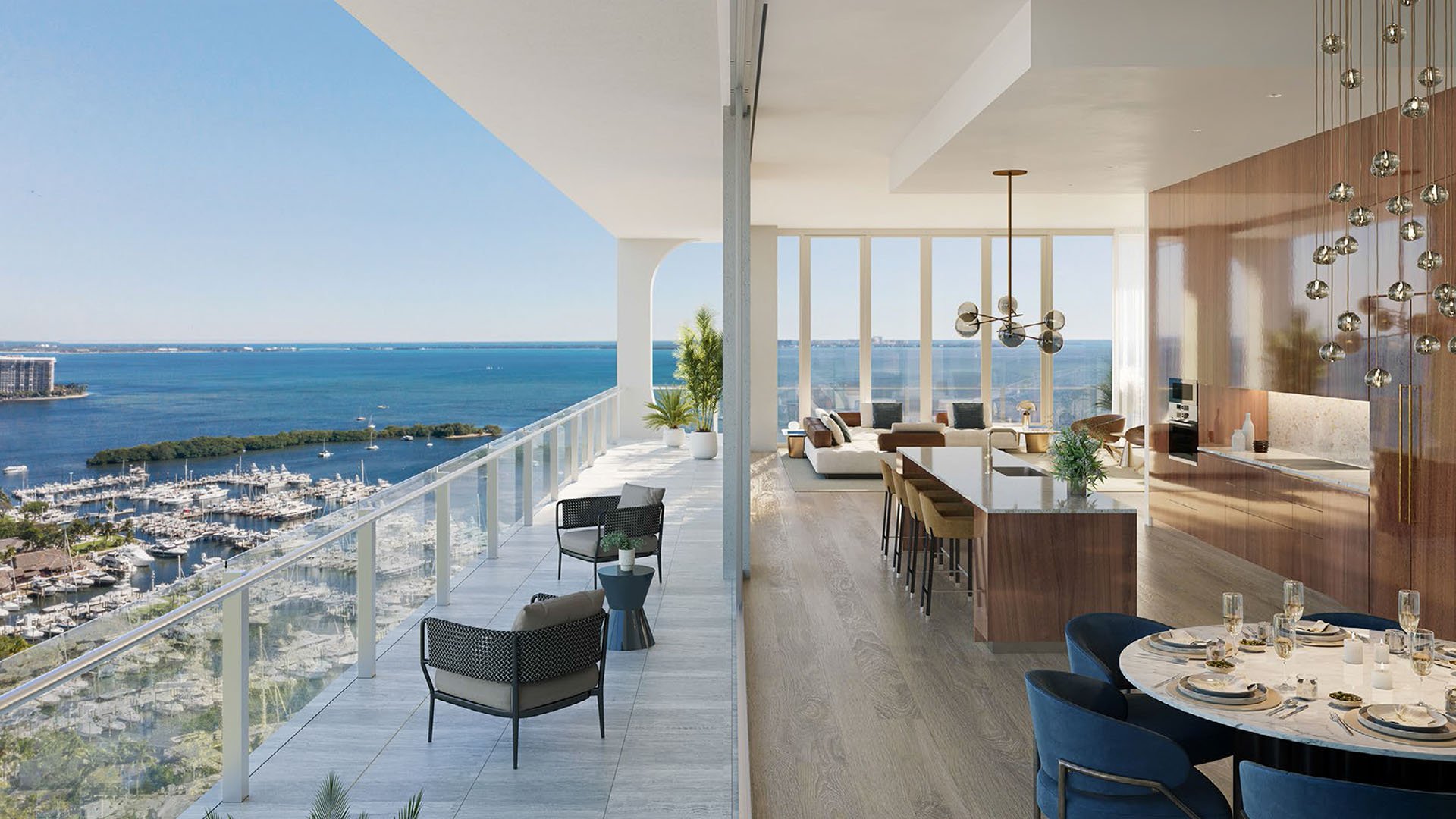
For a household relocating from Houston to Key Biscayne, the success of the first year is measured less by arrival day than by how effortlessly life settles afterward. A residence may be ready while the yacht’s receiving berth, delivery arrangements, and local support remain unresolved. Planning these separately protects both the move and the pleasure it is meant to deliver.
The essential distinction is simple: a residential purchase does not establish yacht-club membership, a permanent slip, vessel-specific acceptance, or hurricane support. When considering Oceana Key Biscayne, keep the home decision and the marine arrangements on parallel checklists. Neither should be assumed to settle the other.
Before committing to the vessel’s arrival, seek written confirmation of its receiving berth, arrival procedures, and the person responsible for accepting it. A successful relocation needs a handover, not merely a destination.
Key Biscayne Yacht Club’s marina comprises 98 wet slips and 39 dry slips. Its approximate 20-to-60-foot vessel accommodation range is useful for preliminary screening, but it establishes neither suitability nor availability for an individual yacht.
Membership category matters. Only Regular Members qualify for permanent slip or space assignments; Associate Members are eligible for long-term temporary dockage. Eligibility does not guarantee an available assignment. Resolve both questions before treating the club as the yacht’s settled home.
Short visits operate differently. Courtesy docks serve boats under 30 feet, while vessels over 30 feet require marina coordination for lunch or overnight visits. Designated O-rings are available first-come, first-served for boats and jet skis up to 25 feet. These arrangements should not be mistaken for permanent berthing.
Facilities and services include water, ice, sewage pump-out, two launch ramps, and a hoist rated for boats up to 6,000 pounds. Check which suit the vessel and tender rather than assuming every facility serves every yacht.
Keep receiving-berth and backup-berth discussions separate. Crandon Marina on Key Biscayne has an approximate screening limit of 80 feet, with fuel, a dive shop, charter facilities, and a 24-hour boat ramp. Confirm all operating details directly before scheduling arrival.
Dinner Key Marina in Coconut Grove offers another screening range, approximately 30 to 135 feet, alongside a separate mooring field. For buyers also considering Park Grove Coconut Grove, the useful comparison is the actual home-to-boat routine: access, handovers, provisioning, and the ability to reach the vessel when needed. Test that routine rather than assuming convenience from a map.
Matheson Hammock Marina in Coral Gables is another option to investigate, with wet slips and dry storage for vessels up to approximately 50 feet, plus launch lanes and fuel. A residential search that includes Ponce Park Coral Gables should still assess marine access independently of the property.
These dimensions are preliminary filters, not berth offers. Ask each marina to confirm length, beam, draft, approach depth, transient terms, availability, and storm procedures for the specific yacht. A mooring field is not interchangeable with a serviced slip, and an everyday berth is not automatically a storm refuge.
A Houston departure address does not determine a delivery route, transport method, cost, or arrival date. Before choosing a method, have the captain and prospective transport providers assess the vessel, departure location, receiving arrangements, and applicable insurance conditions.
Request comparable written scopes. Separate the proposed movement from preparation, crew travel, accommodation, fuel, receiving services, and any post-arrival work. Ask what happens if weather or berth readiness changes the schedule. Do not assume overland transport is inherently more predictable or that rotating delivery crew will reduce costs.
Keep the household move flexible enough to accommodate a different yacht arrival date. The residential closing should not impose an artificial deadline on a yacht move that still requires professional assessment.
Delivery crew, ongoing vessel care, and local storm representation are three distinct responsibilities. One person may cover several roles, but that should be an explicit arrangement, not an untested expectation during the owner’s absence.
Before arrival, assign responsibility for the receiving inspection, keys and access, marina communication, routine checks, and escalation of maintenance issues. Clarify who can authorize work and how approvals will be obtained while the owner is in Houston or traveling elsewhere.
For crew travel and lodging, obtain current quotes and confirm the intended occupancy arrangements directly. Do not assume the residence or marina can accommodate crew overnight. Distinguish a delivery engagement from continuing availability after the yacht is handed over.
The most important continuity question is practical: if the owner cannot reach the vessel, who has agreed to act, and with what authority and access?
Hurricane season runs June 1 through November 30. A move during that period should bring storm planning forward, not defer it until the household is unpacked.
Write a vessel-specific plan identifying where to go, what to do, and when to act. Establish storm-berthing arrangements in advance and nominate a trusted local person who can assist during the owner’s absence. Confirm the receiving marina’s own rules; planning guidance for one marina system should not be treated as another club’s operating policy.
The local marina-closure threshold is 39 mph sustained winds. Prepare ahead of that threshold; do not treat it as a signal to begin. Establish earlier action triggers with the captain and marina, allowing for the work the vessel actually requires.
Preparation includes doubling marina lines or considering dry-dock storage, removing movable equipment, and assembling additional lines, anchors, fenders, fender boards, and chafing gear. A dry run should include checks of batteries, bilge pumps, fuel systems, firefighting equipment, dock lines, ground tackle, and chafe protection.
For trailerable boats specifically, the recommendation is removal from the water and secure storage at least 48 hours before expected landfall. That is not a universal large-yacht evacuation deadline. Leave vessels when directed, and never ride out a hurricane or tropical storm aboard a boat.
Keep insurance policies, a current vessel photograph, marina and storage agreements, and emergency telephone numbers together and accessible to the designated representative. After arrival, test the handover arrangements and rehearse the storm plan before relying on either.
The objective is not simply to bring a yacht to South Florida. It is to establish a dependable routine around the home, the berth, and the people entrusted with both.
Explore a residential move shaped around your waterfront priorities with MILLION.
If branded residences are on your mind — as a home or as an allocation — we would be glad to share what we are seeing, privately.
Begin a quiet conversationA residential purchase does not establish yacht-club membership, a slip assignment, or acceptance of a particular vessel. Confirm each marine arrangement separately.
The marina has 98 wet slips and 39 dry slips. Those totals do not indicate current availability.
Only Regular Members qualify for permanent slip or space assignments. Associate Members are eligible for long-term temporary dockage, but eligibility does not guarantee availability.
Courtesy docks serve short visits by boats under 30 feet. Boats over 30 feet require marina coordination for lunch or overnight visits.
Crandon Marina, Dinner Key Marina, and Matheson Hammock Marina are options to screen. Confirm vessel dimensions, depth, availability, terms, and storm procedures directly.
Request vessel-specific written scopes from the captain and prospective transport providers. Separate movement costs from preparation, crew travel, accommodation, fuel, and receiving services.
Assign responsibility for delivery handover, ongoing care, and local storm assistance. Clarify access, communication, work authorization, and availability after delivery.
Hurricane season runs June 1 through November 30, and the local marina-closure threshold is 39 mph sustained winds. Preparations should be completed before that threshold.
No. The recommendation concerns removing trailerable boats from the water and securing them in storage at least 48 hours before expected landfall.
Never ride out a hurricane or tropical storm aboard a boat. Establish preparations and shoreside arrangements in advance, and leave vessels when directed.