For Copenhagen buyers relocating to Aventura, a seamless arrival begins with three separate reviews: condominium pet rules, any disability-related housing accommodation, and international animal-entry requirements. Written confirmation matters more than a pet-friendly description.
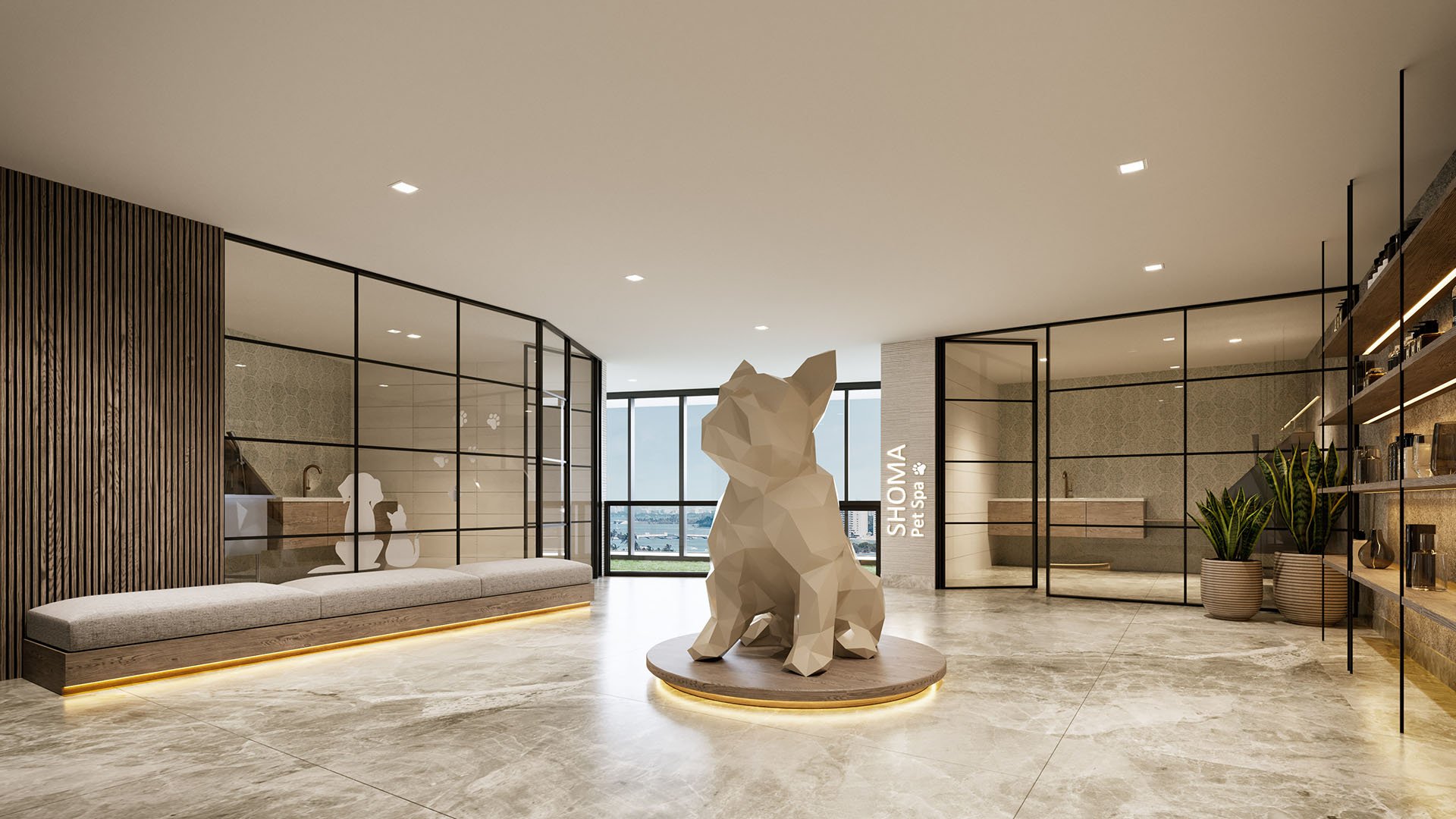
For a buyer relocating from Copenhagen to Aventura, the right residence must accommodate more than furniture and a preferred floor plan. It must support the household’s daily life, including the animals arriving with it. Animal arrangements deserve the same early attention as the purchase contract and move-in schedule.
Three separate reviews should guide the process: the condominium’s ordinary pet policy, any disability-related housing accommodation, and international animal-entry requirements. Housing approval does not establish permission to enter the United States. Compliant travel documents, in turn, do not resolve a building’s pet restrictions or replace an accommodation request.
Resolve uncertainty while there is still time to adjust the property shortlist, seek clarification, and coordinate travel-without the pressure of an approaching arrival date.
A pet-friendly description is a starting point, not a complete answer. Echo Aventura’s stated allowance is up to two pets for owners and tenants, with a combined weight of 50 pounds per unit. Privé’s stated allowance is two pets for owners and tenants, weighing up to 20 pounds each. Both allowances require confirmation against the association’s current written rules.
The distinction between combined and individual weight limits matters. A total allowance is not interchangeable with a per-animal cap. Confirm the number of animals permitted and how weight restrictions apply before assuming a residence will work.
For buyers considering Avenia Aventura, the same document-first approach belongs at the start of the review. Never assume that another Aventura property’s rules apply. Request the documents for the residence under consideration rather than relying on neighborhood expectations.
Obtain the governing documents and written pet policy before committing. Ask management to identify any registration steps, ordinary pet charges, and rules governing everyday movement through the building. These are questions to resolve, not requirements to presume exist everywhere.
A qualifying assistance animal is not an ordinary pet for housing-accommodation purposes. Service animals and emotional support animals have different legal protections, but either may qualify for a reasonable accommodation in housing. An association may therefore need to make an exception to an ordinary pet restriction.
Florida law provides individuals with disabilities who have service animals full and equal access to housing accommodations. A no-pets policy does not automatically defeat a qualifying disability-related request. Distinguish that legal framework from a discretionary exception sought simply because an ordinary pet exceeds a building’s limit.
When an accommodation is needed, ask early for the association’s procedure and the appropriate contact. Housing providers may request supporting information when needed to evaluate the request. Do not assume that every service or assistance animal requires a certificate-or that a document described as a certificate settles every question.
Keep accommodation correspondence separate from general pet registration and travel paperwork. A clear written record distinguishes what has been requested, what information is still needed, and what the association has decided. If a restriction or documentation demand is disputed, obtain advice from a qualified housing attorney before making a consequential purchase decision.
Florida law prohibits extra compensation for a service animal in housing while preserving liability for damage the animal causes. Accommodations for qualifying service animals can require ordinary pet deposits and fees to be waived. A fee waiver does not remove responsibility for actual damage; the two issues are distinct.
Accommodation rights also have limits. An animal presenting a direct threat that cannot be sufficiently reduced through another reasonable accommodation can provide grounds for denial. Keep the accommodation discussion specific to the animal and circumstances, rather than relying on a broad promise that restrictions never apply.
Public-access rules are a separate consideration. Florida public accommodations must modify policies to permit service animals used by individuals with disabilities, and those animals must generally remain under their handlers’ control. Housing accommodation for an emotional support animal is not equivalent to service-animal access in public settings.
For dogs entering the United States, federal import requirements are separate from condominium policy. The applicable paperwork depends on vaccination history and the animal’s recent country itinerary. A flight departing Copenhagen does not, by itself, establish which requirements apply.
One conditional requirement illustrates why that history matters: U.S.-vaccinated dogs that visited a high-risk rabies country during the preceding six months need a Certification of U.S.-Issued Rabies Vaccination form. This is not a universal checklist for dogs arriving from Denmark, nor does it establish Denmark’s current risk classification.
Before booking, assemble the dog’s vaccination records and recent travel history, then check the official requirements that apply to those circumstances. Recheck before departure. For other pets, consult the relevant official animal-import guidance rather than applying dog-specific rules by analogy.
Confirm airline arrangements, Copenhagen departure procedures, and any return-to-Denmark requirements separately. Do not infer cabin or cargo eligibility, departure documentation, or return-entry conditions from U.S. admission rules or a housing accommodation. Repeated travel calls for repeated review, not automatic reuse of the first journey’s paperwork.
Animal compatibility is also a practical question. During a viewing, walk the route you would use each day and ask how the building’s current rules affect arrival, departure, and common-area use. These questions complement the written policy; they do not replace it.
If the search expands to One Park Tower by Turnberry North Miami, begin a fresh policy review rather than carrying over conclusions from an Aventura shortlist. Each residence requires its own document review.
The same discipline applies when comparing Sunny Isles Beach options such as Bentley Residences Sunny Isles. Evaluate the household’s likely routine while requesting the applicable animal rules. Do not assume a particular policy from the project’s positioning.
Before committing, keep three distinct files ready for review: current building rules and written clarifications; any housing-accommodation request and response; and travel records checked against the applicable entry requirements. Identify unresolved questions rather than letting a general assurance stand in for a specific answer.
For the Copenhagen buyer, this is part of choosing a home that works from the first day. The objective is a residence whose rules, accommodation procedures, and everyday routines have been considered as carefully as its interiors.
For a considered approach to your Aventura property search, connect with MILLION.
If branded residences are on your mind — as a home or as an allocation — we would be glad to share what we are seeing, privately.
Begin a quiet conversationThe stated allowance is two pets totaling 50 pounds combined per unit for owners and tenants. Confirm the current rule directly with the association before committing.
The stated allowance is two pets weighing up to 20 pounds each per unit for owners and tenants. The association’s current written rules should be checked before relying on that description.
Yes, a qualifying assistance animal is not an ordinary pet for housing-accommodation purposes. An association may need to make a reasonable accommodation to its restrictions.
No. They have different legal protections, although either may qualify for a reasonable accommodation in housing.
Do not assume a universal certification requirement. A housing provider may request supporting information when needed to evaluate a disability-related accommodation request.
Florida law prohibits extra compensation for a service animal in housing, and qualifying accommodations can require ordinary pet fees and deposits to be waived. Liability for damage the animal causes remains.
An animal’s direct threat can provide grounds for denial if it cannot be sufficiently reduced through another reasonable accommodation. Accommodation rights are not unlimited.
No. Dog-entry requirements depend on vaccination history and the recent country itinerary, not simply the departure airport.
The stated requirement applies to U.S.-vaccinated dogs that visited a high-risk rabies country during the preceding six months. It is not a universal requirement for all dogs arriving from Denmark.
No. Housing arrangements, U.S. import compliance, airline requirements, Copenhagen departure procedures, and return-to-Denmark requirements need separate review.