A discreet operating checklist for Chicago households establishing a Pompano Beach residence, covering humidity control, leak escalation, remote monitoring, coastal exposure, and written vendor authority during extended absences.
Rebasing from Chicago to Pompano Beach changes more than the view. If business, family, or seasonal travel will leave your Florida residence unoccupied for extended periods, its operating plan deserves the same attention as its floor plan. The essential questions are practical: who identifies a problem, who can enter, and who can authorize action when you are unavailable?
For buyers considering Armani Casa Residences Pompano Beach, address those questions during purchase diligence, not after closing. Request written clarification of building procedures and owner responsibilities. Do not assume that a residential brand, concierge arrangement, or management presence includes monitoring inside an individual residence.
The checklist below proposes private operating practices, not official requirements. Tailor inspection schedules, devices, and spending permissions to the residence, condominium rules, insurance terms, and professional advice.
Keep indoor relative humidity below 60%. Air-conditioning or dehumidification can help maintain that level, but a thermostat setting alone is not proof of humidity control. Mold needs moisture to grow; leaks and flooding supply it. Prevention and cleanup must address the underlying water source, not merely visible contamination.
Before your first extended absence, ask an appropriate professional to review climate equipment and agree on an unoccupied-home operating plan. Avoid an arbitrary temperature setting without considering whether it maintains the documented humidity objective.
Your departure checklist should include:
Record indoor humidity and the agreed climate settings.
Have existing leaks or unexplained dampness evaluated before leaving.
Confirm how shower and cooking moisture is exhausted outdoors.
Document accessible plumbing shutoffs and who may operate them.
Photograph relevant areas to create a departure condition record.
Below 60% is a humidity recommendation, not a guarantee against mold. A localized leak still requires attention even when a room sensor displays an acceptable reading.
Remote monitoring should function as a communication system, not simply a collection of devices. Consider humidity, temperature, leak, and device-connectivity alerts, then assign a person to receive and acknowledge each type. Ask the installer which functions remain available during power or internet interruptions; do not assume continuous coverage.
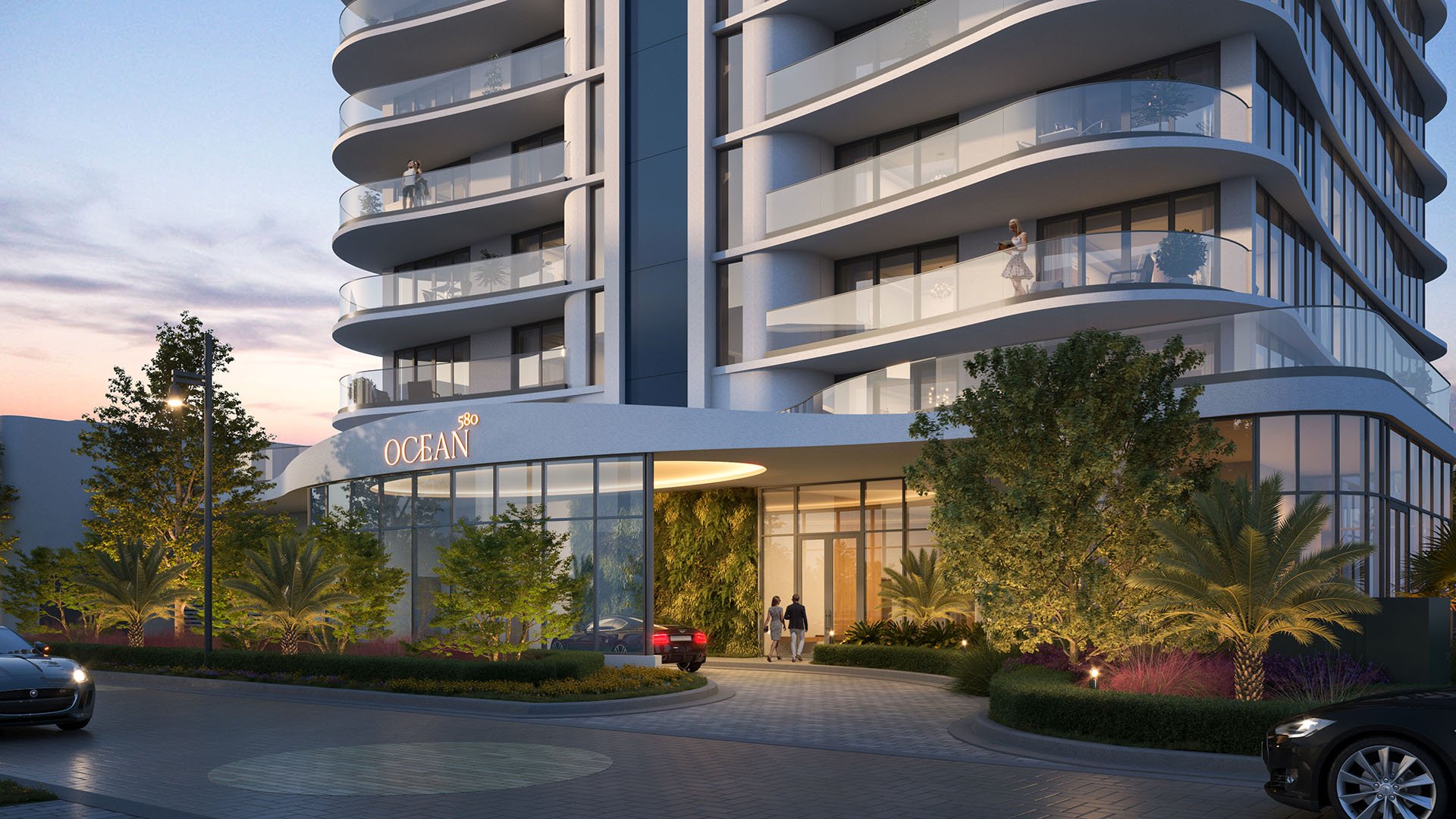
For a buyer evaluating Ocean 580 Pompano Beach, a useful diligence question is whether proposed monitoring equipment and installation methods comply with building rules. Confirm the actual arrangement for the residence under consideration; do not presume that any particular equipment or service is included.
Set escalation instructions with your service provider. A humidity reading approaching or exceeding the recommended ceiling should trigger review under that plan; a water alert should initiate the agreed leak-response procedure. Designate a backup recipient if the primary contact does not acknowledge an alert.
Test the complete chain before leaving: notification, acknowledgment, authorized access, and a written update to you. A successful phone notification is only the first step.
When you are in Chicago, an ambiguous message about water should not prompt a search for contacts or permissions. Prepare a short response card for the local representative and relevant building personnel.
Discuss automatic water shutoff with a qualified installer and building management as a possible additional measure. Confirm compatibility, permissions, and the scope of protection before proceeding. Treat it as an option to evaluate, not an official requirement or a substitute for local response.
Keep insurance contacts and relevant notification instructions in the same file. Align the response plan with the policy; do not assume that a preferred vendor arrangement satisfies its terms.
An emergency contact list does not establish who may approve work. Create a written authority schedule that distinguishes permission to enter, investigate, contain an incident, and undertake repairs.
Specify an owner-approved emergency spending limit without leaving its interpretation to the vendor. Define whether the limit applies to an incident or an individual visit, who can authorize additional expenditure, and what happens if you cannot be reached. Identify work that always requires separate approval.
When comparing Waldorf Astoria Residences Pompano Beach with other residences, request the applicable access and contractor procedures. These are diligence questions, not assumptions about any project's services.
An authority letter does not automatically override condominium rules, insurer requirements, contractor licensing, or owner-approval obligations. Have the arrangement reviewed for consistency with those constraints, and obtain acknowledgment from the parties expected to act.
Review flood, wave, and storm-surge exposure for the specific Pompano Beach address under consideration. Avoid drawing a blanket conclusion about a residence from its coastal location alone.
For your Pompano Beach property in Broward, retain the applicable flood information, evacuation zone, route, and shelter locations in the operating file. Evacuation planning must account for imminent storm surge, not just wind. Do not build a response plan around an assumed minimum warning period.
Ask your local representative to consider tidal flooding and safe access when scheduling checks. Never require a vendor to drive through flooded areas; an alternate safe route or delayed inspection may be necessary.
Consider scheduled in-person inspections, with weekly visits as one possible starting point to discuss with your property professional. That frequency is a proposed practice, not a validated standard or official requirement. Agree on a scope that complements monitoring rather than simply confirming that the door is locked.
Ask for a concise record of humidity readings, visible moisture, alert status, and unresolved maintenance. After an incident, request documentation of the moisture source and corrective work, not just a photograph of a refinished surface.
Before each departure, confirm the contact roster, test access, review spending permissions, and check that each open issue has someone assigned to address it. The objective is straightforward: a residence that remains cared for without requiring you to manage every decision from another city.
For a considered approach to your Pompano Beach purchase, connect with MILLION.
If branded residences are on your mind — as a home or as an allocation — we would be glad to share what we are seeing, privately.
Begin a quiet conversationKeep indoor relative humidity below 60%, using air-conditioning or dehumidification as appropriate. That recommendation does not eliminate the need to investigate leaks or localized dampness.
Do not treat a temperature setting alone as confirmation that humidity is controlled. Ask an appropriate professional to establish an operating plan and check actual humidity readings.
Consider humidity, temperature, leaks, and device connectivity, with alert recipients and backup contacts assigned in advance. Confirm equipment capabilities and building permissions before installation.
Weekly visits are one possible schedule to discuss with your property professional, not an official requirement or validated standard. Tailor the frequency and inspection scope to your residence and absence plan.
The designated responder should assess safe access, notify the relevant contacts, and arrange authorized investigation of the water source. Document the incident and arrange professional follow-through for moisture and damage.
Treat it as an option to evaluate with a qualified installer and building management, rather than assuming it is required. Confirm compatibility, permissions, and what the proposed system can protect.
Define access permissions, permitted actions, emergency spending limits, escalation contacts, and work requiring separate approval. The letter does not automatically override building rules, insurance terms, licensing, or owner-approval obligations.
Review address-specific flood, wave, and storm-surge exposure alongside evacuation arrangements. Retain the applicable flood information, evacuation zone, route, and shelter locations in the operating file.
Only when access is safe and permitted. Never require a vendor to drive through flooded areas; an alternate safe route or a delayed inspection may be necessary.
Request documentation that the underlying moisture source was addressed, not just the visible surface damage. Keep the corrective-work record with your residence's operating file.