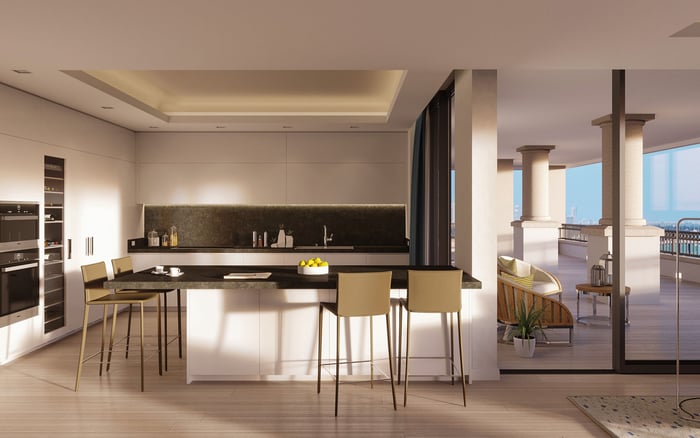
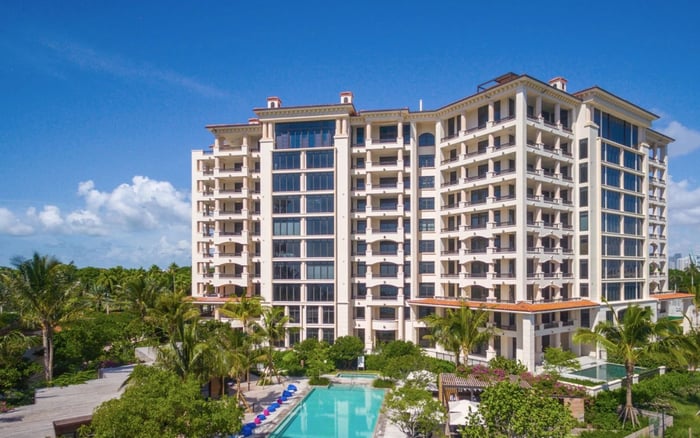
For a primary-residence purchase at Palazzo del Sol, timing is substantive. Title, actual occupancy, financing representations and domicile evidence must align before Florida's January 1 homestead test, followed by a timely county application.

A primary-residence acquisition at Palazzo del Sol requires more than selecting a closing date and arranging a move. For Florida homestead purposes, the buyer generally must hold legal or beneficial title and make the residence a permanent home by January 1 of the relevant tax year. Permanent residence means occupancy with a present intention to remain indefinitely and no present intention to move away.
That standard is particularly important for affluent owners with multiple homes. Frequent stays at a Fisher Island condominium do not, by themselves, establish domicile. The owner’s conduct, documents and broader residential ties should present one coherent story.
A Palazzo del Sol Fisher Island purchase should therefore be planned backward from January 1. The distinction among primary-residence, second-home and investment use is not merely descriptive. It can shape financing statements, occupancy obligations and homestead eligibility. A resale closing late in the year warrants especially careful coordination.
The crucial question is not whether a buyer eventually intends to become a Florida resident. It is whether qualifying ownership and actual permanent residence exist by January 1. Documents created later cannot replace circumstances that were absent on that date.
This makes the closing date consequential. A December closing may leave only a narrow interval for taking possession, moving essential belongings and beginning genuine residential use. Because Fisher Island is reached by ferry or private watercraft, movers, deliveries and document handling should be built into the schedule rather than treated as routine mainland logistics.
Neither purchasing nor occupying the unit automatically produces the property-tax benefit. After satisfying the January 1 conditions, the owner must apply to the Miami-Dade County Property Appraiser under its current requirements and deadlines. Eligibility may also depend on Florida residency and qualifying United States immigration status.
Title should be reviewed as a homestead issue, not merely a conveyancing formality. Legal or beneficial ownership may qualify, but any trust or other ownership arrangement should be examined before closing to confirm that it preserves the required interest. Errors in the deed, trust language or named ownership are best corrected before January 1-not discovered during the subsequent application.
This is also the time to address a prior homestead. Neither the buyer nor the buyer’s spouse may receive a residency-based property-tax exemption in another state while claiming Florida homestead. An owner leaving an out-of-state primary home may need evidence that the former exemption was terminated.
A buyer moving from another Florida homestead may be eligible to transfer part of a prior Save Our Homes assessment benefit, subject to applicable qualifications and filing deadlines. The portability analysis belongs on the pre-closing agenda because it can affect the documents and follow-up filings the owner must preserve.
The financing calendar is distinct from the homestead calendar. Conventional primary-residence documents commonly require occupancy within 60 days after closing and often contemplate principal-residence occupancy for at least 12 months. The controlling loan documents should be reviewed carefully because their precise terms govern.
A buyer should describe Palazzo del Sol as a primary residence only when that designation aligns with genuine move-in and use plans. Closing early enough to satisfy a lender’s occupancy period does not necessarily establish Florida homestead by January 1. Conversely, taking title before January 1 does not cure a move that occurs afterward.
The cleanest timeline allows both standards to be met without strained interpretations. Financing counsel, Florida legal and tax advisers, the title team and household staff should work from a single, agreed-upon closing and occupancy calendar.
Domicile is demonstrated through intent expressed by conduct. Immediately after closing, retain the recorded deed and coordinate, as applicable, the Florida driver’s license or identification card, vehicle registration, voter registration, banking records, utilities and mailing address. County application materials commonly seek Florida identification reflecting the homestead address and confirmation that no conflicting exemption is claimed elsewhere.
A recorded Declaration of Domicile can reinforce the intention to make Florida the permanent home, but it is supporting evidence-not a substitute for actual residence. The persuasive record is cumulative and consistent. A buyer who changes one address while leaving the balance of personal and residential ties untouched may struggle to show that the Fisher Island property became the principal home.
For households also considering Palazzo della Luna, The Links Estates at Fisher Island or The Residences at Six Fisher Island, the same principle applies: the property selected as the homestead must function as the genuine permanent residence, not merely as another waterfront address in a multi-home portfolio.
Florida’s homestead exemption can reduce taxable value by as much as $50,000, although its application varies among taxing authorities. For a long-term owner, Save Our Homes protection-which limits annual growth in assessed value for homesteaded property-may become more meaningful than the base exemption itself.
Tax exemption, domicile and homestead creditor protection are related concepts, but they are not interchangeable. Complex trusts, immigration questions, multiple residences and portability claims call for individualized Florida advice. The objective is not to accumulate paperwork, but to ensure that ownership, occupancy, sworn statements and everyday life all support the same conclusion on the relevant dates.
Must I own Palazzo del Sol by January 1? Generally, qualifying legal or beneficial title and permanent residence must both exist by January 1 for that tax year.
Is staying at the condominium frequently enough? No. Frequent use alone does not establish domicile without genuine intent and conduct showing that it is the permanent home.
Can a trust own the residence? Legal or beneficial title may qualify, but the trust terms and ownership structure should be confirmed before closing.
Does closing automatically grant the exemption? No. The owner must satisfy the eligibility rules and submit an application to the appropriate county property appraiser.
Can I retain an out-of-state homestead exemption? Neither the buyer nor the buyer’s spouse may maintain another residency-based property-tax exemption while claiming Florida homestead.
What if my primary-residence mortgage permits 60 days to move in? That loan timetable is separate from the January 1 homestead test, and both must be satisfied truthfully.
Does a Declaration of Domicile prove residency by itself? No. It can support intent, but it should accompany actual residence and consistent evidence.
Which records should be coordinated after closing? Relevant records may include Florida identification, vehicle and voter registrations, banking, utilities and the mailing address.
Can I claim homestead on a vacation property? No. A vacation home or investment property is not eligible merely because the owner spends substantial time there.
Why does portability matter to an existing Florida homeowner? An eligible buyer may be able to transfer part of a prior Save Our Homes assessment benefit, subject to requirements and deadlines.
For a confidential assessment and a building-by-building shortlist, connect with MILLION.
If branded residences are on your mind — as a home or as an allocation — we would be glad to share what we are seeing, privately.
Begin a quiet conversation