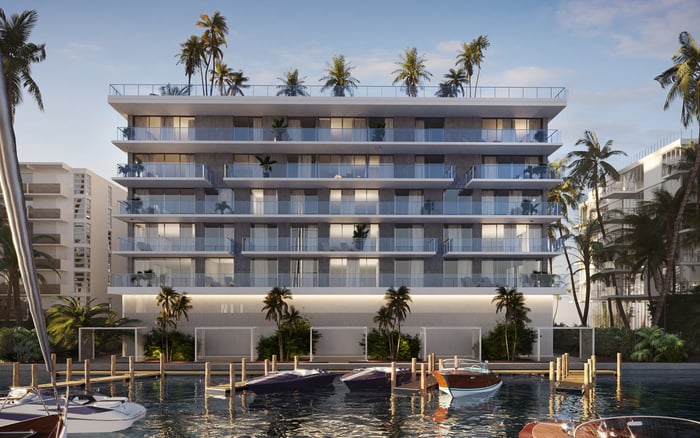
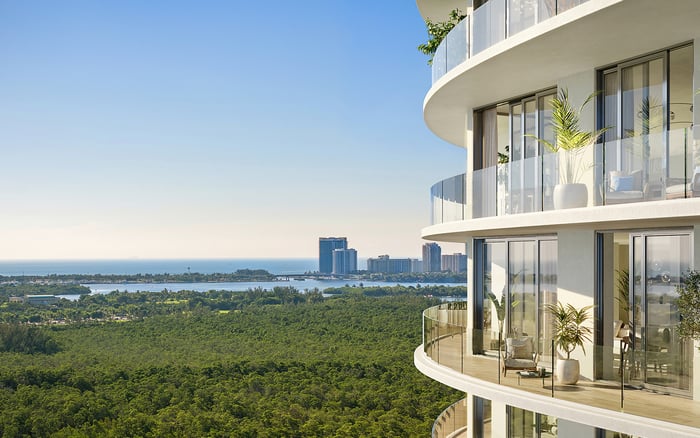
At One Park Tower by Turnberry, a projected delivery window is not a verified occupancy date. Buyers should coordinate certificate review, mortgage requirements, insurance coverage, and contractual deadlines before committing to a closing or move-in calendar.
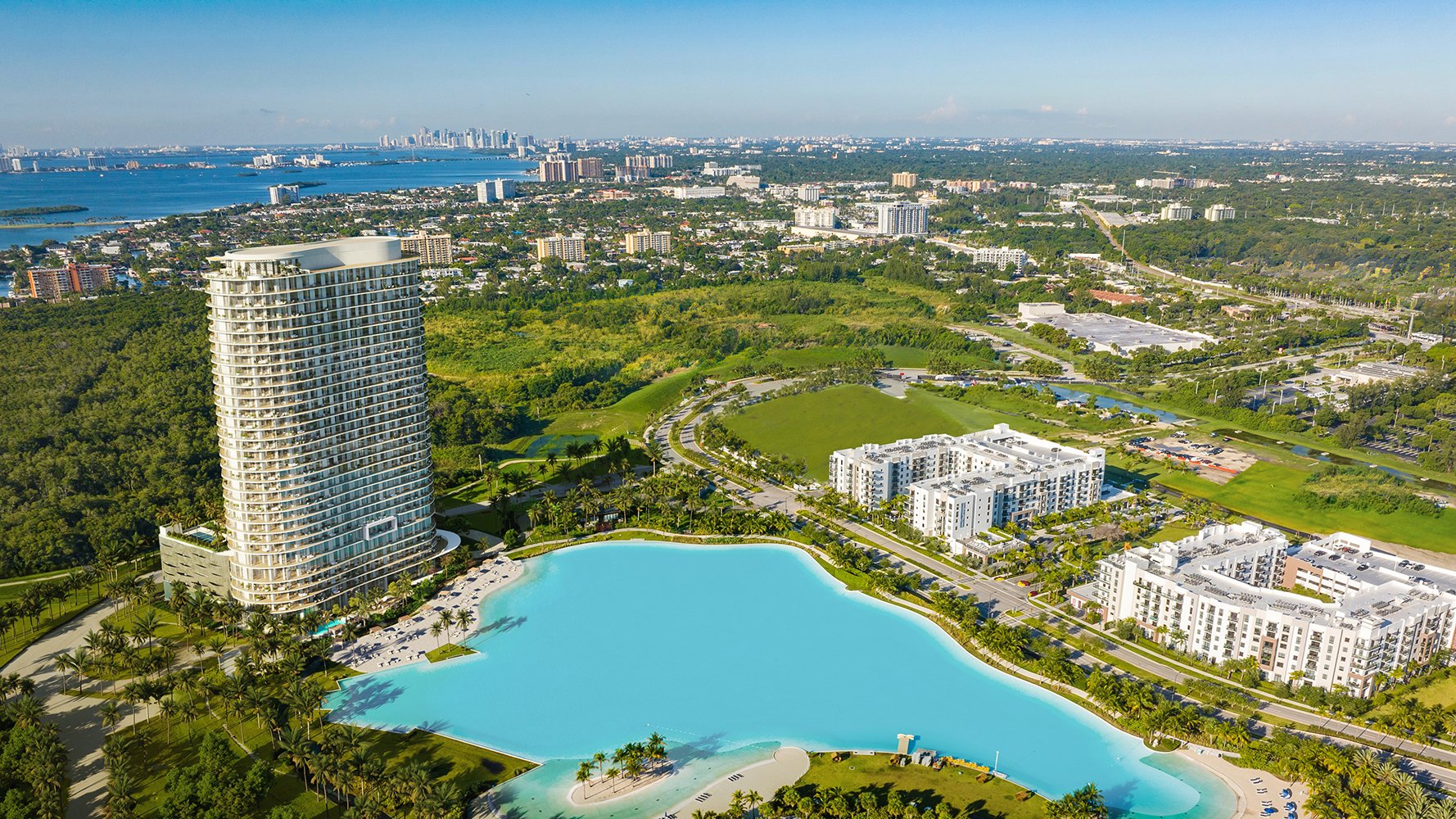
The appeal of One Park Tower by Turnberry North Miami is clear: a 33-story condominium with 292 residences within the 184-acre SoLé Mia community, overlooking a seven-acre Crystal Lagoon with access to a private beach. For a buyer planning a South Florida residence, the setting offers a compelling vision. Turning that vision into a dependable arrival date requires a different kind of attention.
Projected completion, occupancy approval, closing, and move-in are separate milestones. A construction announcement may shape expectations, but it does not establish which occupancy documentation a lender will accept, when insurance should take effect, or when a household can settle in.
The essential question is not simply when the building will be finished, but which documents and confirmations support each step of your transaction.
Turnberry is the developer, and Juneau Construction Company is the builder. The tower’s topping out was announced on April 7, 2025, with Summer 2026 identified as the projected completion window. An earlier construction-financing announcement advertised Spring/Summer 2026 delivery. Those dates reflect historical expectations, not a verified move-in date or a current occupancy determination.
Topping out is a construction milestone-not completion, an issued certificate of occupancy, a closing notice, or permission to move furniture into a residence. Nor does the passage of an advertised delivery window, by itself, establish whether a building is approved for occupancy.
For planning purposes, keep separate calendar entries for projected completion, the applicable occupancy certificate, contractual closing requirements, and the authorized move-in date. Request current written confirmation for each rather than letting one marketing date stand in for the entire sequence.
A certificate of occupancy, commonly abbreviated CO, and a temporary certificate of occupancy, or TCO, are documents to review, not merely acronyms to check off. Request the applicable certificate and have counsel confirm its scope, any conditions, and its relevance to the residence and intended access.
If a temporary certificate is presented, ask what it covers, whether it carries time limits or conditions, and how those provisions affect the proposed closing and occupancy arrangements. Separately, obtain the lender’s position on that specific documentation. Do not presume acceptance from the word “temporary” or another buyer’s experience.
Apply the same discipline when comparing Rivage Bal Harbour: evaluate each transaction’s documents independently. A comparable address does not establish equivalent certificate terms, lender requirements, or closing conditions.
One Park Tower secured a $172 million construction loan from Bank OZK. That financing concerns the project’s development. It is neither evidence that an individual purchaser’s mortgage has been approved nor a guarantee of completion.
For a financed purchase, ask the lender to identify the occupancy documentation required for your loan and when it must be delivered. Confirm whether a TCO is acceptable, whether its specific conditions matter, and which other closing requirements remain outstanding. Do not assume every mortgage follows the same CO rule.
Then address the calendar. Confirm the rate-lock expiration date, whether extensions are available, what they would cost, and who would bear those costs under the applicable arrangements. Ask whether a change in the closing date would require updated financial documentation or another review.
Get those answers in writing before making nonrefundable commitments tied to the anticipated closing. The objective is to distinguish established approvals from conditional ones-not to turn a projected date into a promise.
Insurance timing warrants its own conversation. Ask your insurance adviser to confirm the appropriate effective date for the unit’s HO6 coverage, the lender’s requirements, and how the proposed coverage coordinates with the building’s policy. Do not infer One Park Tower’s actual insurance arrangements from its construction progress or financing announcement.
There is no basis here for assuming that every HO6 policy must wait for a CO or a recorded deed. Nor should a quoted premium be treated as confirmation that every intended activity is covered. Have the adviser explain the proposed terms and any relevant conditions.
If furnishings, installation work, or personal property are expected to arrive before the household, ask how those plans affect coverage and access requirements. If closing shifts, request written confirmation of any necessary effective-date changes. Do not assume the insurance calendar will adjust automatically.
The purchase agreement deserves closer attention than an advertised season. Have counsel identify the outside completion date, permitted extensions, closing conditions, notice provisions, and any available delay remedies. What matters is what your executed documents provide, not what buyers generally expect from a luxury development.
Ask counsel to distinguish an aspirational delivery window from an enforceable contractual obligation. Clarify what would require a response from you, which deadlines would follow, and what options the agreement affords if timing changes. Do not assume any particular refund, cancellation right, or compensation.
For buyers also considering Turnberry Ocean Club Sunny Isles in Sunny Isles Beach, review each proposed purchase separately. A familiar developer name is no substitute for transaction-specific terms, current occupancy documentation, or your own lender’s approval.
Move-in planning should follow documentary confirmation, not confidence in a completion estimate alone. Before booking movers, request the applicable occupancy certificate, confirm its scope and conditions, and obtain written guidance on unit access and moving arrangements. Ask who authorizes the move and whether the proposed date is available.
Treat closing, access for measurements, furniture delivery, and residential occupancy as separate planning questions. Confirm which activities are permitted and when. Neither a key handover nor a scheduled walkthrough substitutes for that clarification.
The most useful final check is a coordinated one: counsel reviews the contract and certificate, the lender confirms its requirements, the insurance adviser confirms coverage timing, and the building’s designated contact confirms access. Where an answer remains conditional, retain flexibility in travel, storage, and temporary accommodation plans.
One Park Tower’s lagoon setting may define the attraction, but clear documentation should define the arrival. A carefully coordinated transition protects both the purchase and the experience of coming home.
For discreet guidance on aligning your South Florida residence search with transaction-ready planning, connect with MILLION.
If branded residences are on your mind — as a home or as an allocation — we would be glad to share what we are seeing, privately.
Begin a quiet conversationIt is a 33-story condominium with 292 residences within the 184-acre SoLé Mia community in North Miami. The residences overlook a seven-acre Crystal Lagoon with access to a private beach.
Turnberry is the developer, and Juneau Construction Company is the builder.
No. The April 7, 2025 announcement marked a construction milestone, not a verified occupancy or move-in date.
Summer 2026 was a projected completion window in the topping-out announcement. It should not be treated as a guaranteed move-in date or confirmation of current occupancy status.
Request the applicable CO or TCO and have counsel confirm its scope, conditions, and relevance to the residence. Obtain separate confirmation of permitted access and moving arrangements.
Ask your lender whether it accepts a TCO and whether the specific certificate satisfies its requirements. Do not assume all lenders or mortgages follow the same rule.
No. The Bank OZK loan is developer construction financing, not approval of an individual purchaser’s mortgage or a guarantee of completion.
Have your insurance adviser confirm the effective date, lender requirements, and coordination with the building’s policy. Do not assume a universal start date based solely on a CO or deed recording.
Have counsel review the outside completion date, permitted extensions, closing conditions, notice provisions, and delay remedies. Do not assume cancellation rights, refunds, or compensation without reviewing the executed agreement.
Confirm the applicable occupancy certificate and its scope, authorized unit access, and the building’s moving arrangements. Coordinate the date with your closing requirements and insurance coverage.