A buyer-focused framework for reviewing Ocean 580 Pompano Beach preconstruction documents, with attention to disclosure deadlines, deposit exposure, excusable delays, and contractual exit rights.
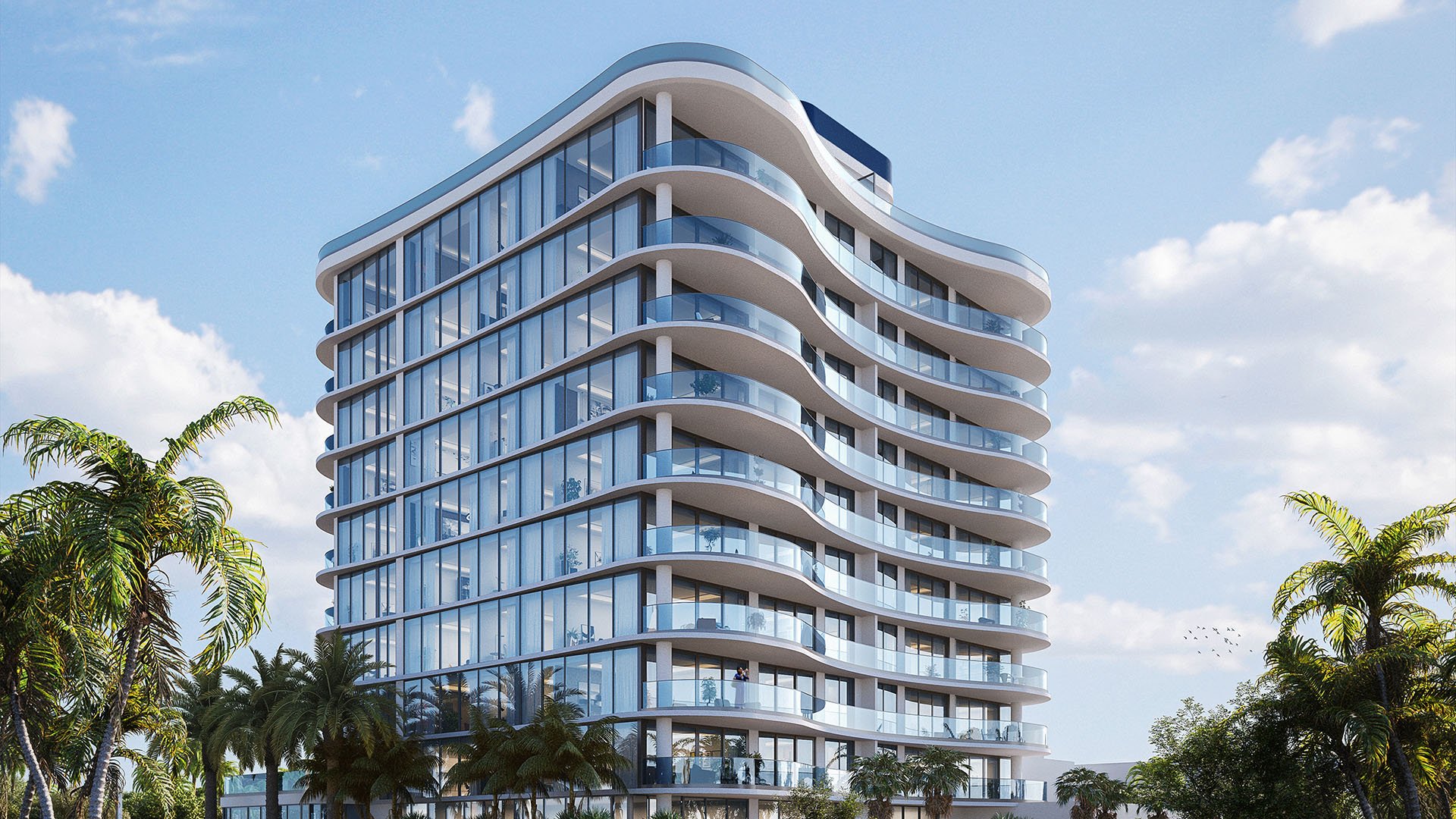
A future residence should suit more than a preferred view or floor plan. It should also match the buyer’s tolerance for capital commitment, timing uncertainty, and contractual exposure. For purchasers considering Ocean 580 Pompano Beach, this is a contract-review framework, not a characterization of the project’s particular terms.
Three provisions deserve to be read together: liquidated damages, force majeure, and delay remedies. One may define a financial consequence, another may allow additional time, and a third may restrict what the buyer can do when delivery slips. Their interaction matters more than any reassuring phrase read in isolation.
The essential distinction is between the developer’s construction contract and the purchaser’s agreement. A contractor’s obligation to pay the developer for late completion does not establish a buyer’s right to compensation, determine deposit treatment, or define purchaser default.
Florida condominium disclosure requirements call for developers to provide buyers with specified documents, including governing documents and financial information. The initial 15-day cancellation period is tied to both the buyer’s execution of the agreement and receipt of all required developer disclosures. Cancellation requires written notice.
The practical priority is a documented chronology: when the agreement was signed, when each required item arrived, and how notice must be delivered. Have Florida real-estate counsel confirm the deadline rather than treating the signature date as the only relevant event.
The statutory contract language also permits a buyer to extend closing to no more than 15 days after receiving all required disclosure items. That right is distinct from construction-delay relief. The end of the initial review period should not be treated as the point when every possible statutory or contractual cancellation right disappears.
For a broader Pompano Beach comparison that includes Armani Casa Residences Pompano Beach, use the same disclosure checklist but evaluate each agreement independently. A shared location does not establish shared protections.
In construction contracts, liquidated damages commonly take the form of a fixed daily amount payable by the contractor to the owner when completion exceeds the contractual deadline. That arrangement governs a relationship separate from the residence purchaser’s agreement.
General enforceability principles focus on compensation rather than punishment: losses should be difficult to estimate at the time of contracting, and the stipulated amount should reasonably estimate probable loss. Proportionality and a clear written trigger for accrual matter. These principles do not establish that any particular clause is enforceable.
The purchase agreement calls for a different set of questions. Does a buyer-default provision allow the seller to retain deposits as liquidated damages? Is that the seller’s exclusive remedy, or are additional charges contemplated? What notice must precede default, and is there an opportunity to cure?
Read the deposit, default, remedies, and fee provisions side by side. A clause described as a limitation warrants closer examination if another paragraph preserves additional financial claims. Nor should a contractor’s daily delay payment be assumed to be money available to the purchaser.
Construction force-majeure provisions address qualifying events beyond a party’s control. Severe natural events, war, strikes, and material unavailability can support deadline extensions when covered by the contract. Broader drafting may expressly address tariffs, embargoes, government orders, labor disputes, and epidemics or pandemics.
For the buyer, the central question is not whether an event sounds exceptional, but whether the purchase agreement covers it and what relief follows. Ask counsel to identify the event definition, notice deadline, substantiation requirements, and method for calculating the extension.
Then examine the scope of that relief. Does an extension affect completion alone, or also closing obligations and buyer remedies? Is there a limit on accumulated extensions? Must the claimed event be connected to the actual delay? These are review questions, not assumptions about Ocean 580’s provisions.
For a Broward search that also includes Waldorf Astoria Residences Pompano Beach, compare these mechanisms rather than relying on a familiar clause heading. Similar labels need not produce equivalent risk allocation.
An excusable delay does not necessarily carry compensation. In a construction contract, force majeure may protect the contractor from delay liability or grant more time without compensating the contractor for resulting costs. Recovery of those costs depends on other provisions.
The purchaser should make the same conceptual distinction without importing contractor rights into the purchase agreement. Permission to postpone delivery does not itself determine whether the buyer receives compensation, can cancel, or must absorb the practical consequences of waiting.
Coordination among clauses is critical. Construction drafting can expressly subordinate liquidated damages to qualifying force-majeure relief, so excused delay days do not generate damages. Where extensions are available, delay periods may also be allocated between contractor-caused and owner-caused events. Neither mechanism independently creates a purchaser remedy.
For the purchase agreement, trace one sequence: a qualifying event occurs, notice is given, the contractual date changes, and a remedy either survives or is limited. This exercise exposes uncertainty more clearly than reading each provision separately.
A projected completion date and a firm outside date are not interchangeable. Ask whether the agreement establishes an ultimate deadline, whether extensions can move it, and whether missing it gives the buyer cancellation and refund rights.
Any proposed exit deserves a practical review. What notice activates it? When must that notice be sent? Which deposits are refundable, and what does the agreement say about repayment timing? A remedy is more useful when the steps to exercise it are clear.
Also examine delay waivers and any no-damages-for-delay language. Enforceability is fact-specific; neither a favorable label nor an unfavorable clause should be treated as the final legal answer. Plan conservatively rather than assuming a later challenge will restore flexibility.
For a second residence, consider how an extended wait would affect temporary accommodation and personal scheduling. Keep that planning separate from the question of which costs, if any, the agreement permits you to recover.
Before committing, request a concise, counsel-reviewed summary of deposit exposure, default triggers, notice-and-cure rights, permitted extensions, delay waivers, and cancellation pathways. Include whether stipulated damages are exclusive and which dates remain firm after an excusable event.
The objective is not a promise that construction can never slip. It is a clear understanding of who bears each consequence when it does. For Ocean 580, as for any preconstruction purchase, evaluate the residence and the contractual commitment with equal care. This framework is educational, not transaction-specific legal advice.
For a considered approach to South Florida residences and your next property search, explore MILLION.
If branded residences are on your mind — as a home or as an allocation — we would be glad to share what we are seeing, privately.
Begin a quiet conversationNo. It provides a contract-review framework, not findings about Ocean 580’s particular purchase agreement or construction contract.
Florida condominium disclosure requirements call for specified documents, including governing documents and financial information. Buyers should have counsel confirm receipt of all required items.
The period is tied to both execution of the agreement and receipt of all required developer disclosures. Cancellation is exercised through written notice, with counsel confirming the applicable deadline.
The statutory contract language permits the buyer to extend closing to no more than 15 days after receiving all required disclosure items. This is separate from construction-delay remedies.
A contractor’s payment obligation to the developer does not establish purchaser compensation rights. Those rights require separate review of the purchase agreement and applicable law.
Review the default trigger, deposits subject to retention, notice-and-cure provisions, and whether liquidated damages are the exclusive remedy. Check related provisions for additional charges or preserved claims.
No automatic coverage should be assumed. Review the covered events, required notice and substantiation, and the relief authorized by the particular agreement.
Not necessarily. In construction contracts, time relief and cost recovery are separate questions, and purchasers must independently examine their own compensation rights.
Its usefulness depends on whether extensions can move it and whether missing it creates cancellation and refund rights. Notice requirements and repayment terms also deserve review.
No. The initial statutory period should not be treated as eliminating every other possible statutory or contractual cancellation right.