A due diligence framework for evaluating elevator redundancy, generator coverage and outage procedures at Glass House Boca Raton without treating broad marketing language as a technical guarantee.
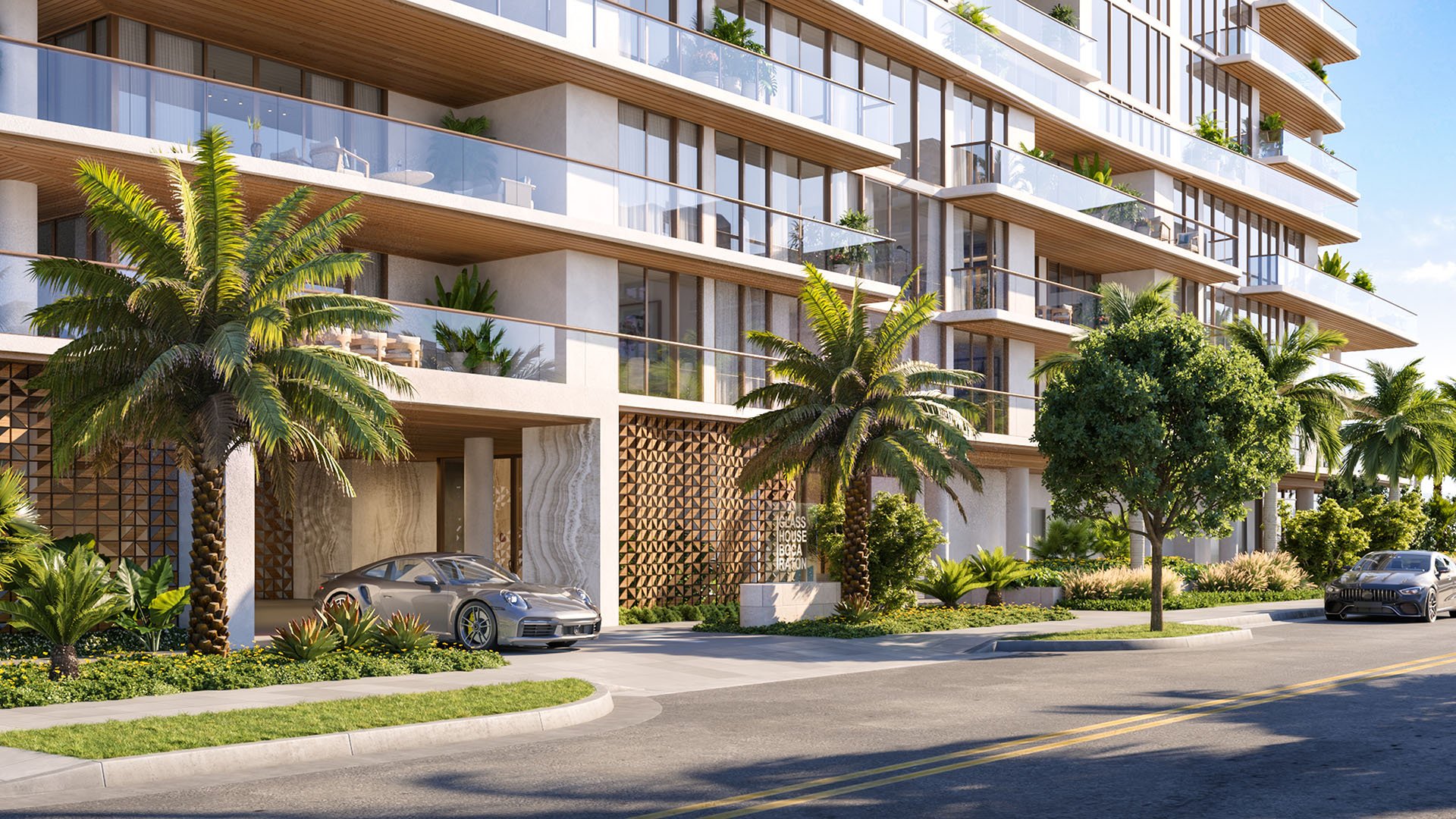
For buyers evaluating Glass House Boca Raton, generator coverage and elevator redundancy should be treated as separate due diligence questions. A reference to emergency power does not, by itself, identify every connected load, while a reference to elevator service does not establish how many cars can operate or whether independent banks exist.
The practical objective is to replace broad language with written specifications. Buyers should determine which systems receive emergency power, how elevator service is sequenced during an outage and what operating procedures apply when normal utility service is unavailable.
Generator capacity is meaningful only when paired with a load schedule. That schedule should identify the equipment and circuits intended to remain available during an interruption. Buyers should not assume that backup for common or emergency functions also extends to air conditioning, refrigeration, residential outlets, parking equipment, water systems, access controls or electric-vehicle charging.
The electrical one-line diagram and generator load schedule are therefore central review documents. Technical advisers can use them to assess connected systems, capacity assumptions and the relationship between emergency equipment and ordinary building operations.
Emergency elevator service answers one question: whether vertical transportation can remain available in some form during a power interruption. Redundancy answers another: whether an alternative car, bank, component or power path can preserve useful service after equipment fails or is taken offline.
A buyer should request the elevator schedule, the function assigned to each car and the written emergency sequence. The review should also clarify whether passenger and service functions are separated, which cars receive emergency power and whether simultaneous operation is contemplated.
These questions are relevant when comparing Alina Residences Boca Raton, The Residences at Mandarin Oriental Boca Raton and Mr. C Residences Boca Raton. Each property should be assessed through its own current documents rather than assumptions based on branding, pricing or amenity positioning.
Resilience depends on more than installed hardware. Testing schedules, maintenance agreements, fuel arrangements, communications plans and staff responsibilities can determine how effectively emergency systems function during a disruption.
Buyers should ask who initiates outage procedures, how residents receive updates and what happens if an interruption lasts longer than the initial operating plan anticipates. Any answer should be checked against governing documents, technical schedules and applicable contracts rather than accepted as an informal assurance.
A focused review may include the electrical one-line diagram, generator load schedule, elevator schedule, emergency operating sequence, maintenance agreements and written outage protocols. Where relevant, buyers can also request documentation addressing fuel arrangements, testing procedures and restoration priorities.
The goal is not to demand uninterrupted operation of every feature. It is to understand the actual scope of backup service, the limitations of the system and the procedures intended to support residents when ordinary infrastructure is disrupted.
The defensible approach is to avoid equating generator availability with whole-building power or elevator backup with full redundancy. Before relying on either concept, buyers should obtain project-specific documentation and have appropriate legal and technical advisers evaluate it.
Does a generator automatically provide power inside every residence? No such assumption should be made. Residential coverage must be confirmed in the electrical documents and load schedule.
Does generator-backed elevator service prove full elevator redundancy? No. Emergency power and mechanical redundancy are separate issues that require different documentation.
What is an elevator schedule? It is a project document that can identify elevator cars, functions, service areas and related specifications.
Why is the emergency operating sequence important? It explains how elevator service is intended to respond when normal power is interrupted.
Should buyers assume every elevator operates simultaneously on backup power? No. The number of supported cars and their operating sequence should be confirmed in writing.
What does a generator load schedule show? It identifies the systems and circuits assigned to generator power and supports a more precise review of coverage.
Should parking and access systems be reviewed separately? Yes. Gates, ventilation, access controls and related equipment should each be checked for emergency-power coverage.
Why do maintenance and testing records matter? They help buyers evaluate how emergency equipment is intended to be kept ready for use.
Can staffing replace mechanical redundancy? No. Staff can coordinate communication and procedures, but they do not create an alternate elevator, component or power path.
Who should review resilience documents? Buyers should consider qualified legal and technical advisers who can assess project-specific documents and contractual language.
If you'd like a private walkthrough and a curated shortlist, connect with MILLION.
If branded residences are on your mind — as a home or as an allocation — we would be glad to share what we are seeing, privately.
Begin a quiet conversation