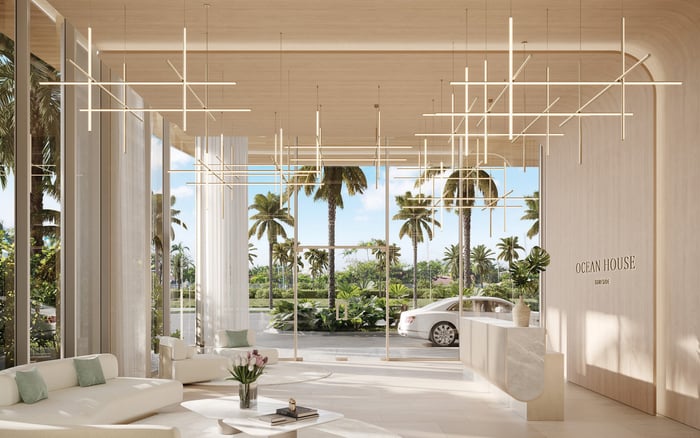
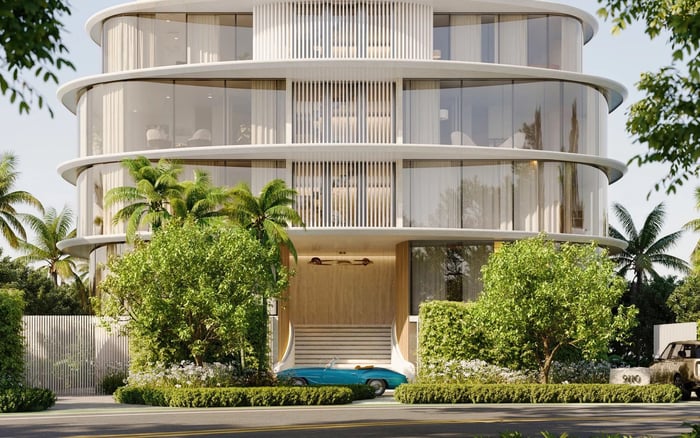
57 Ocean’s published one-year lease minimum favors residential continuity over short-stay flexibility. Buyers should still examine association rules, enforcement practices, guest controls, and the occupancy patterns of nearby Collins Avenue properties.
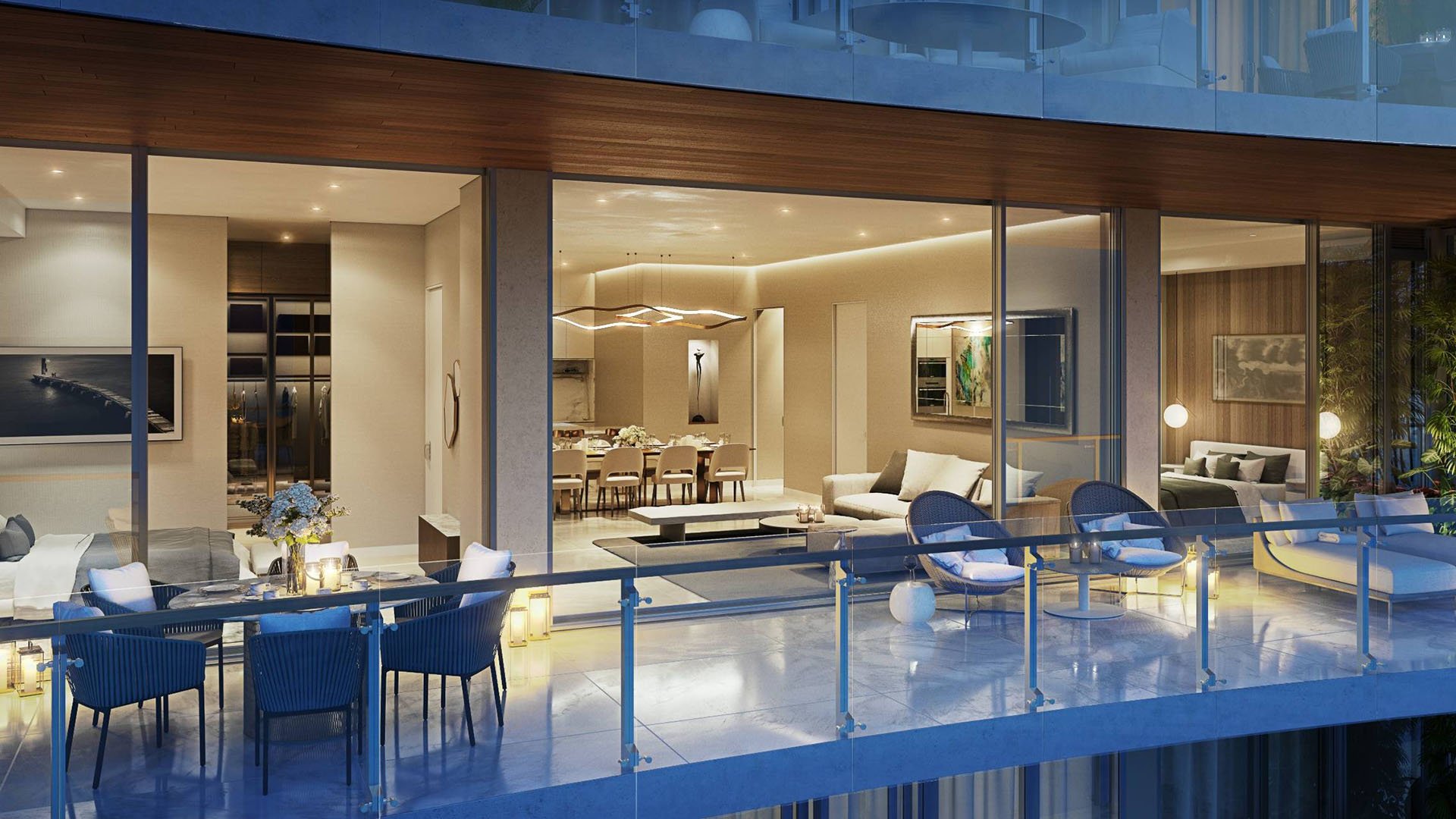
The title’s reference to rental flexibility raises the right issue, but at 57 Ocean Miami Beach, the rule points in the opposite direction: a one-year minimum lease term. That positions this 18-story, 71-residence condominium at 5775 Collins Avenue as a long-term residential proposition, not a nightly, weekly, or short-season rental vehicle.
The distinction matters because lease duration shapes more than income strategy. It can influence who passes through the lobby, how often access credentials change, how frequently luggage moves through common areas, and whether neighbors recognize one another. For buyers prioritizing calm and continuity, a restrictive leasing policy can be an advantage. For owners hoping to occupy a residence during selected months and monetize the remaining calendar through multiple short stays, it can be a material constraint.
This buyer’s analysis therefore begins with a simple principle: rental rules are part of the lifestyle purchase, not merely an investment footnote.
Miami Beach generally treats stays shorter than six months and one day as short-term rentals. Such rentals are prohibited in all single-family homes and many multifamily buildings, subject to zoning and any applicable grandfathered rights. Where permitted, city authorization, a Business Tax Receipt, resort-tax compliance, and other registrations may apply.
Condominium governance forms a separate layer. City zoning determines whether short stays may legally occur at an address, while a declaration, bylaws, or house rules may impose a stricter minimum. At 57 Ocean, the 12-month floor is more restrictive than the broader city threshold.
The decisive documents are the current governing materials, not a marketing description or third-party building profile. Before closing, counsel should verify the lease minimum, limits on lease frequency, approval procedures, renewal rules, and remedies for violations directly with the association.
A 12-month leasing floor reduces the recurring cycle associated with daily and weekly occupancy: arrivals, departures, key handoffs, new access cards, delivery questions, ride-share pickups, and guests learning amenity rules. Fewer transitions can make lobby and elevator activity more predictable.
Predictability is not silence. Long-term tenants may entertain, families may host extended guests, renovations may occur, and shared spaces can become active. 57 Ocean includes two oceanfront infinity pools, a poolside bar and social lounge, wellness and fitness facilities, club spaces, and a children’s room. Even without vacation rentals, daily life depends on guest registration, amenity access, quiet-hour enforcement, and responsive management.
Buyers comparing Mid-Beach options such as The Perigon Miami Beach should request the same documents from every association. Architectural refinement does not make leasing and guest policies interchangeable.
57 Ocean’s service program includes 24-hour security, 24-hour valet service, an on-site concierge, and pool and beach attendants. A secure package room provides a controlled point for deliveries, while private elevator entries and the limited scale of 71 residences can support a more managed environment than a large, high-turnover resort condominium.
None of these features guarantees security. Their value depends on operating discipline: how visitors are verified, whether expired credentials are promptly disabled, how vendors enter, where deliveries wait, and how staff respond when a guest attempts to access an unapproved floor or amenity.
A serious purchaser should request the guest-registration protocol, access-card policy, tenant-screening procedure, incident-escalation process, and history of illegal-rental enforcement. The same scrutiny belongs in comparisons with established Miami Beach properties such as Faena House Miami Beach and Setai Residences Miami Beach, without assuming that any two buildings operate alike.
Oceanfront positioning is central to 57 Ocean’s appeal. The property occupies approximately 220 feet of oceanfront and offers direct access to the beachfront setting. Yet an association controls its own property, not the full rhythm of Collins Avenue.
Nearby hotel, resort, commercial, and multifamily properties may follow occupancy patterns that differ from those at 57 Ocean. Properly authorized short stays elsewhere can add ride-share movements, visitors, pedestrians, and luggage at street level. An internally restrictive building can therefore feel residential inside while still participating in a mixed hospitality corridor outside.
A buyer’s review should consequently extend beyond the residence and lobby. Visit at different hours, observe vehicle circulation, identify neighboring uses, and examine the zoning and licensing status of adjacent properties. A useful coastal comparison may include Eighty Seven Park Surfside, but location, surrounding activity, and association controls require separate evaluation.
Request the declaration, bylaws, current house rules, application forms, lease addenda, recent rule amendments, and written confirmation of the minimum term. Ask whether leases are limited in number per year, how tenants are screened, and whether renewals require fresh approval.
For noise, examine quiet hours, flooring standards, renovation schedules, complaint documentation, escalation steps, and sanctions for repeat violations. For security, focus on credential issuance, guest pre-registration, elevator permissions, vendor access, package handling, beach entry, and after-hours staffing.
Finally, align the rules with the intended use. A full-time resident or owner seeking a stable second home may value reduced turnover. A seasonal owner pursuing frequent rental income may find the same restriction incompatible with that plan. At this level, clarity is part of luxury.
Does 57 Ocean allow nightly or weekly rentals? The building has a one-year minimum lease term, which prevents nightly and weekly rental use.
Is 57 Ocean a suitable Airbnb-style investment? Its 12-month minimum means it should be evaluated as a long-term residential building rather than a short-stay investment property.
Why can a one-year minimum reduce noise? It lowers occupant turnover and the repeated flow of arrivals, departures, luggage, keys, and new access credentials.
Does a restrictive lease policy guarantee quiet? No. Resident behavior, guests, renovations, construction quality, amenity activity, and enforcement still affect noise.
What security services are available at the building? The service program includes 24-hour security and valet, an on-site concierge, and pool and beach attendants.
Does 57 Ocean have controlled delivery handling? A secure package room supports more controlled handling of deliveries.
Can nearby properties affect the atmosphere? Yes. Hotels or rental-friendly properties can create street-level visitor, pedestrian, luggage, and ride-share activity.
Are city rules and condominium rules the same? No. Miami Beach zoning controls legal eligibility, while condominium documents may establish a stricter rental minimum.
Which documents should a buyer review? Review the declaration, bylaws, house rules, lease forms, tenant-screening procedures, guest policies, and enforcement provisions.
Who should confirm the current lease minimum? The association and the buyer’s legal counsel should confirm the operative rule before purchase.
To compare the best-fit options with clarity, connect with MILLION.
If branded residences are on your mind — as a home or as an allocation — we would be glad to share what we are seeing, privately.
Begin a quiet conversation