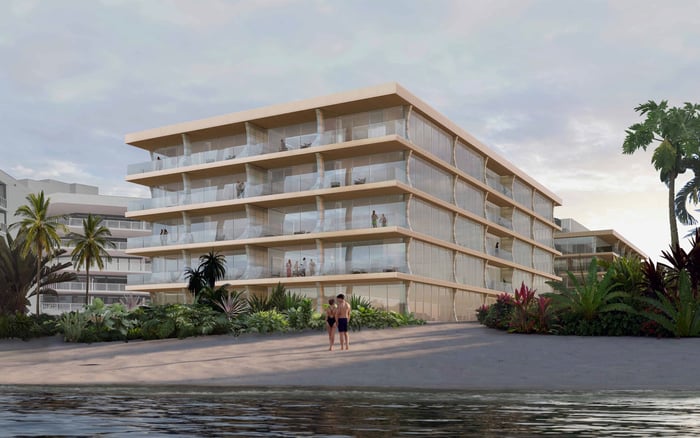
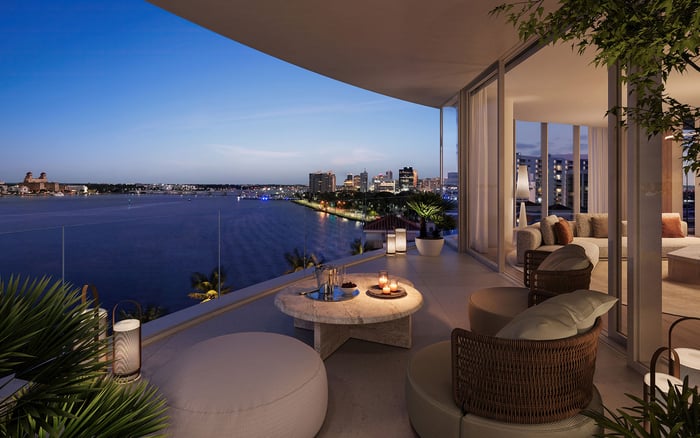
A discreet buyer’s framework for evaluating Nora House through acoustics, air quality, technology, governance, resilience, service, and long-term ownership costs.
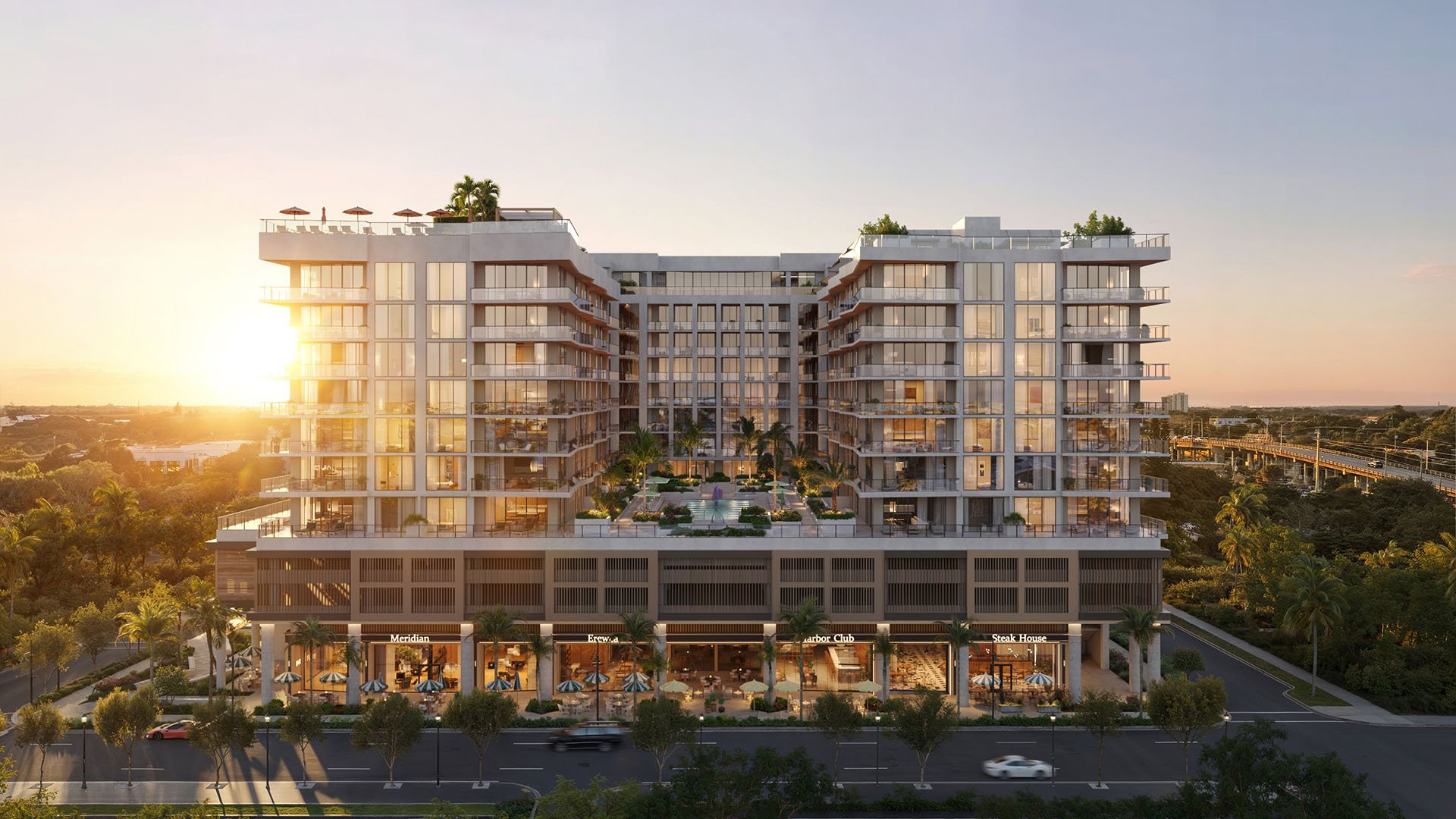
At Nora House West Palm Beach, the most consequential questions for a buyer extend well beyond stone, millwork, appliances, and terrace views. Those elements shape the first impression. Long-term satisfaction, however, is usually determined by less photogenic qualities: silence, thermal comfort, clean air, intuitive technology, thoughtful circulation, reliable service, and disciplined condominium governance.
This is the practical meaning of quiet luxury. It is not simply a restrained aesthetic, but the absence of friction in daily life-supported by systems that perform consistently and ownership structures that remain intelligible. In West Palm Beach, where buyers may be comparing several forms of upscale urban living, that distinction deserves careful attention.
Whenever possible, evaluate acoustic performance in person. Visit at different times, pause near exterior glazing, and listen from bedrooms as well as social spaces. Ask how sound is managed between residences, along corridors, around elevators, and through mechanical systems. A beautiful room can feel markedly less refined when ordinary building noise intrudes.
Comfort also depends on temperature and humidity control. Buyers should ask how individual zones operate, where equipment is located, what maintenance access entails, and whether supply air reaches every room evenly. Consider the placement of vents, thermostats, and returns in relation to furniture, art, and window treatments. Quiet mechanical operation matters as much as visual discretion.
Indoor environmental quality belongs near the top of any serious due-diligence list. Request clear explanations of ventilation, filtration, humidity management, and resident responsibilities for replacing filters or servicing equipment. If purification or water-treatment features are presented, establish what is standard, what is optional, and which components entail recurring costs.
Apply the same discipline to plumbing and electrical capacity. Review shutoff access, leak-detection provisions, hot-water delivery, outlet placement, lighting controls, and practical routes for future repairs. These details rarely lead a sales presentation, yet they can determine whether a home remains effortless once furnished and occupied.
Residential technology should be simple enough to use without instruction and flexible enough to evolve. Request a demonstration of lighting, shades, climate, entry, intercom, internet, and any building applications. Determine which systems can operate manually if the network fails, who provides support, and whether proprietary equipment may prove difficult to replace.
Privacy matters as much as convenience. Buyers should understand which devices collect information, who administers access credentials, and how permissions are transferred at closing or after a change in household staff. The best smart-home experience is unobtrusive, secure, and easy to override.
Arrival sequences, loading procedures, package handling, guest access, pet movement, parking, and service-elevator availability all shape daily composure. Walk the entire route from vehicle to residence. Imagine grocery deliveries, luggage, contractors, and overnight guests rather than judging only the formal lobby.
For a broader West Palm Beach comparison, buyers can consider Edgeworth West Palm Beach and Mr. C Residences West Palm Beach as distinct points of reference. The purpose is not to compare promotional language, but to examine documents, operating assumptions, service models, and how closely each option suits a specific household.
Condominium documents deserve the same scrutiny as the residence itself. With qualified legal and financial advisers, review budgets, projected assessments, reserve policies, insurance arrangements, maintenance responsibilities, rental provisions, pet rules, alteration procedures, and the boundaries between association and owner obligations.
Ask what regular charges include and what is billed separately. Staffing, security, landscaping, amenity operations, utilities, technology subscriptions, and maintenance contracts can shape the true cost of ownership. For an investment purchase, rental flexibility and resale implications may carry added weight. For a primary home, lifestyle fit and predictable service may matter more.
This diligence is especially relevant among new-construction offerings, where projections may precede an established operating history. A boutique environment may offer intimacy, but buyers should still examine how fixed costs are distributed and how service continuity is planned. The essential principle remains consistent: evaluate both the home and the institution responsible for maintaining it.
South Florida buyers should ask direct questions about storm preparation, backup power, water management, emergency communications, building access during an outage, and procedures for protecting common areas. Clarify which systems remain functional, how long they are intended to operate, and what residents must manage independently.
Future livability also depends on adaptability. Consider whether rooms can accommodate changing work patterns, family needs, collections, or accessibility requirements. Over time, storage, parking practicality, service access, and permission for later alterations can matter more than a fashionable finish palette.
A comparison with Forté on Flagler West Palm Beach can sharpen questions about waterfront context, operating structure, and household priorities without assuming that the two projects offer the same proposition. Quiet luxury is ultimately personal, but the diligence behind it should be exacting.
Before committing, revisit the residence without focusing on decorative surfaces. Listen, test, walk the service routes, review the controls, and identify every recurring obligation. Request that material representations central to the decision appear in the appropriate written documents. The most convincing luxury is not a promise of perfection. It is a home whose design, systems, management, and costs remain coherent long after the first impression has passed.
What does quiet luxury mean in a condominium? It means discreet design supported by comfort, privacy, reliable systems, and smooth daily operations.
What should I test during a residence visit? Listen for noise, check thermal consistency, operate the controls, and walk the arrival and service routes.
Why are acoustics important beyond window quality? Sound can also travel through walls, floors, corridors, elevators, plumbing, and mechanical equipment.
Which air-quality questions should buyers ask? Ask about ventilation, filtration, humidity control, maintenance intervals, and owner responsibilities.
How should smart-home systems be evaluated? Request a live demonstration and confirm manual overrides, support arrangements, privacy, and replaceability.
What condominium documents deserve close review? Review budgets, reserves, insurance, assessments, rules, alteration policies, and maintenance obligations.
How can buyers assess projected ownership costs? Separate included services from utilities, subscriptions, optional services, and potential owner maintenance.
What resilience topics matter in South Florida? Ask about storm procedures, backup power, water management, communications, and access during outages.
Should buyers compare Nora House with other projects? Yes. Use comparable projects to test service expectations, governance, costs, and personal fit.
Who should assist with due diligence? Engage qualified legal, financial, insurance, inspection, and real-estate advisers as appropriate.
For a discreet conversation and a curated building-by-building shortlist, connect with MILLION.
If branded residences are on your mind — as a home or as an allocation — we would be glad to share what we are seeing, privately.
Begin a quiet conversation