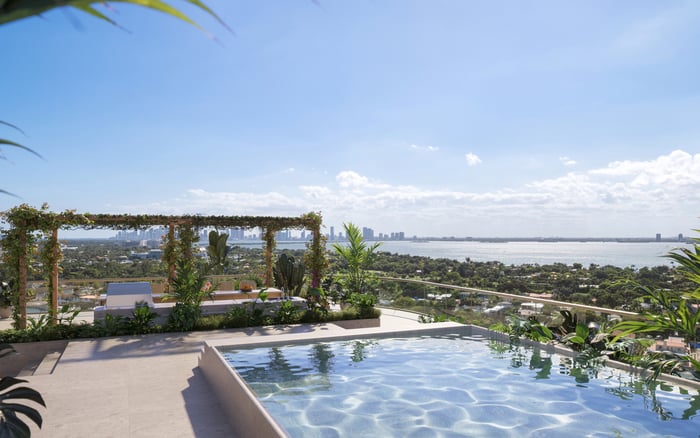
A buyer-focused framework for separating present-day views from enforceable protections, testing neighboring development rights, and requesting meaningful construction schedules at Faena House Miami Beach.
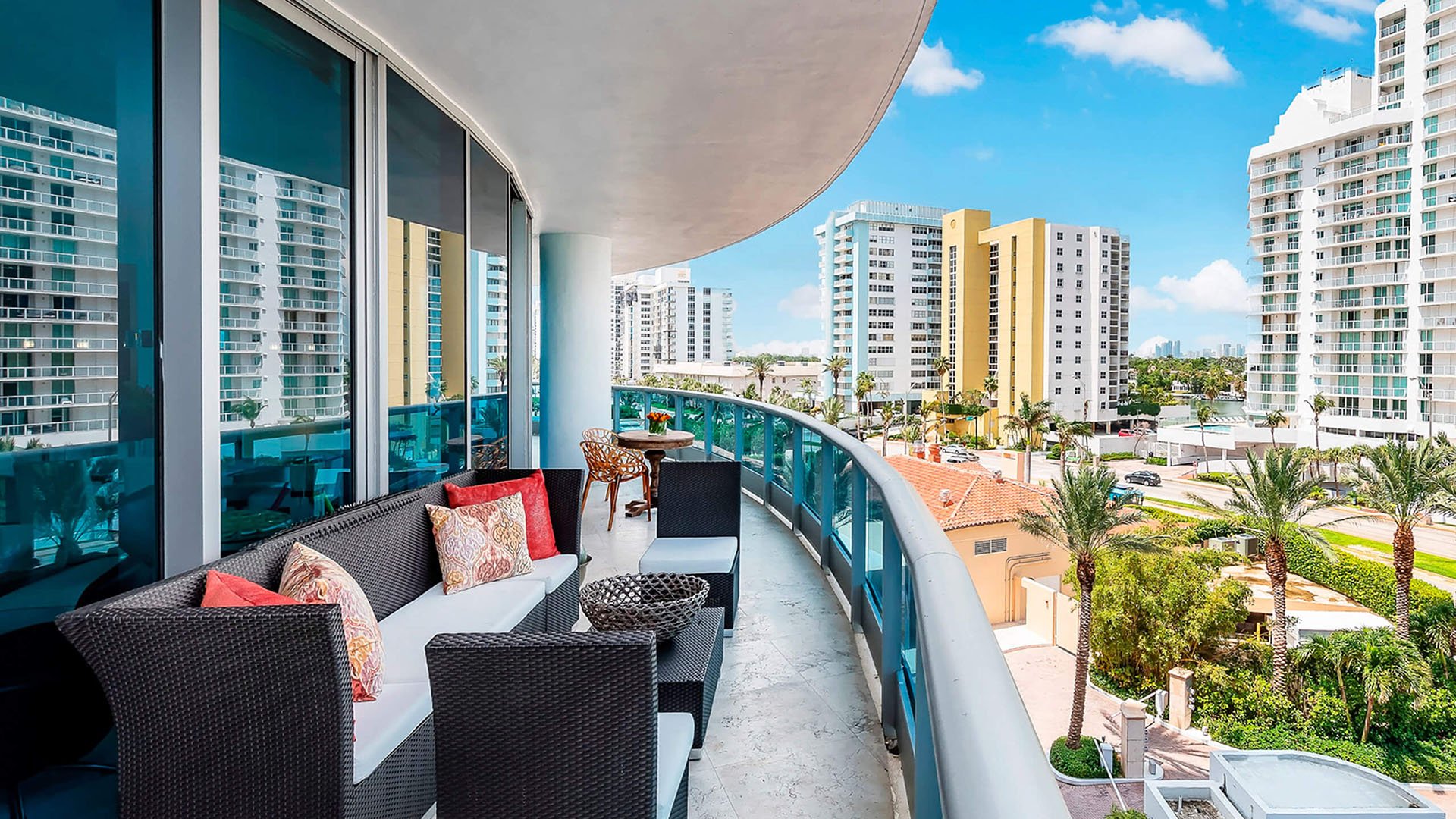
At Faena House Miami Beach, the most consequential view question is not simply what a buyer sees today. It is what surrounding parcels may lawfully become-and whether any enforceable protection secures the particular sightline that makes a residence compelling.
Faena House sits within the Faena District, extending from the Atlantic Ocean to Indian Creek along Collins Avenue between approximately 32nd and 35th Streets. That setting calls for a parcel-by-parcel review, not general assurances about the neighborhood. Counsel should address legal protections and development rights; management should supply available communications; developers or contractors should explain construction milestones.
The objective is to separate three matters: today's outlook, the potential permanent building envelope nearby, and temporary construction exposure. None should stand in for the others.
Begin with the residence, not an abstract promise of an ocean view. Identify the windows, principal rooms and terrace positions whose outlook matters to the purchase. Ask counsel whether recorded view easements, covenants, air-rights agreements or reciprocal restrictions protect those specific sightlines.
These are requests for investigation, not evidence that any protection exists. If an instrument is identified, request an explanation of the land it burdens, who may enforce it, its duration and any amendment or termination provisions. A restriction that sounds reassuring in conversation requires a precise reading before it influences price.
Setbacks require separate treatment. Historical Faena overlay language includes a minimum four-foot side-lot-line setback for applicable oceanfront development. That dimensional requirement is not equivalent to a protected view corridor.
Ask for a written conclusion distinguishing enforceable rights, physical separation and assumptions. Where the conclusion depends on a drawing or survey, have the relevant sightline identified rather than described simply as unobstructed.
Begin with official planning maps and guidelines, using the zoning map to determine a property's zoning classification. Then ask counsel to identify the current code provisions and parcel-specific approvals governing each site relevant to the residence's outlook.
The central distinction is among proposed amendments, first-reading text, enacted ordinances, approved plans and issued permits. A provision appearing in one category does not establish its status in another. Request a dated parcel summary that keeps those categories separate.
September 2022 first-reading overlay language contemplated limited flexibility in uses, building heights and setbacks, linked to common ownership and operation of district properties and preservation of historic buildings. That calls for examining the conditions attached to flexibility, not assuming unrestricted development rights.
For buyers also considering The Perigon Miami Beach, apply the same parcel-specific discipline independently. A shared municipal setting does not establish identical zoning, protections or approvals. Keep this review within the City of Miami Beach; City of Miami zoning and the separate Faena Miami River development are not substitutes.
Historical overlay-creation language described a 20-foot increase for new structures east of Collins Avenue, reaching 220 feet. Separate overlay language specified a 210-foot maximum for oceanfront lots. Neither figure should be presented as a verified current entitlement for a neighboring parcel without further legal review.
Ask counsel to reconcile the two figures through the controlling code version, applicable lot category and recorded approvals. The useful answer is not merely a height number, but an explanation of which rule applies to which site-and why.
Floor area deserves equal attention. Proposed bonus floor-area-ratio treatment associated with Ordinance 2026-4794 identifies Faena Hotel at 3201 Collins Avenue and Arran Hotel at 3425 Collins Avenue. That proposed treatment does not establish how much bonus capacity is available or has been used at either address. Counsel should confirm its legal status, applicability and any remaining capacity before incorporating it into a development scenario.
Overlay language associated with Ordinance 2026-4795 retains underlying district regulations except where overlay exceptions apply. It also describes an oceanfront-lot category requiring at least 65,000 square feet and retention and preservation of a contributing historic structure in a manner approved by the Historic Preservation Board.
Treat these as questions of eligibility and conditions, not automatic permissions. Request an assessment that considers height, floor area, setbacks, preservation obligations, bonuses and pending amendments together. Where helpful, commission a visual study distinguishing a legally supportable building envelope from a merely hypothetical massing.
Ask management and the seller for construction notices, neighboring-project disclosures, developer correspondence and any association legal opinion concerning view protection. Frame the request around existing documents, without implying that any particular notice, opinion or dispute is already on file.
Ask management to distinguish direct communications from informal expectations. If a construction schedule has been circulated, request its date, author and any subsequent revisions. An undated assurance should not carry the same weight as a current written milestone schedule.
A purchaser comparing 57 Ocean Miami Beach can use the same document-request framework without assuming equivalent construction exposure. The purpose is consistent diligence, not transferring one property's conclusions to another.
Do not treat a crane installation or removal date as established without current written confirmation. No definitive crane date for surrounding projects is established here. Ask the relevant developer or contractor for installation and removal estimates, permit milestones, topping-out expectations, façade schedules and anticipated access disruptions.
For each milestone, request the current target, its dependencies and the person responsible for updates. Ask whether the timing is an estimate or a contractual commitment, and what work is expected to continue after crane removal.
A seasonal owner should also ask how the anticipated work sequence could overlap with intended occupancy. Keep the discussion specific to potential delivery activity, access arrangements and exterior work, without presuming those impacts will occur. Construction timing and the eventual permanent view remain separate purchase considerations.
Before committing, assemble three concise deliverables: counsel's parcel-and-rights assessment, management's available correspondence file, and the latest written construction schedule obtainable from the responsible project team. List unresolved questions beside each and identify who is responsible for the next answer.
Ask transaction counsel whether any unresolved matter warrants additional investigation, a contractual request or reconsideration of the price. A missing protection does not automatically make a residence unsuitable; it changes what the buyer should regard as assured. The strongest decision distinguishes the pleasure of the present outlook from the legal and practical limits of its durability.
For a discreet conversation about your Miami Beach residence search, connect with MILLION.
If branded residences are on your mind — as a home or as an allocation — we would be glad to share what we are seeing, privately.
Begin a quiet conversationFaena House sits within the district extending from the Atlantic Ocean to Indian Creek along Collins Avenue between approximately 32nd and 35th Streets.
The present outlook alone does not establish legal protection. Ask counsel to investigate recorded easements, covenants, air-rights agreements and reciprocal restrictions affecting the specific sightline.
The historical minimum four-foot side-lot-line setback for applicable oceanfront development should not be treated as a protected view corridor. Its applicability and any separate view rights require review.
Neither historical figure should be assumed to establish a current parcel entitlement. Counsel should reconcile the controlling code version, lot category and parcel-specific approvals.
Proposed bonus floor-area-ratio treatment identifies Faena Hotel at 3201 Collins Avenue and Arran Hotel at 3425 Collins Avenue. Counsel should verify its legal status and the amount, if any, available or used on each parcel.
Overlay language associated with Ordinance 2026-4795 describes an oceanfront-lot category requiring at least 65,000 square feet and preservation of a contributing historic structure approved by the Historic Preservation Board. It is not automatic permission to develop.
Request available construction notices, neighboring-project disclosures, developer correspondence and any association legal opinion about view protection. The request does not establish that those documents exist.
No definitive crane installation or removal date is established here. Request current written estimates and their dependencies from the relevant developer or contractor.
Ask about permit milestones, topping out, façade work, anticipated access disruptions and work expected after crane removal. Evaluate those milestones separately from the eventual permanent view.
Use City of Miami Beach zoning and parcel records. City of Miami resources and the separate Faena Miami River development concern a different jurisdiction or project.